


-
Automotive Airbag Market Production Trends and Global Demand Outlook Through 2032 – Report by MMR
Automotive Airbag Market Report Overview
The forecasting process primarily hinges on the analysis of historical data alongside current trends in the Automotive Airbag Market. This comprehensive data collection employs a blend of primary and secondary research methodologies. The report encompasses vital components such as market size, share, regional analysis, dynamics, CAGR, and future trends. This holistic approach renders the report an invaluable guide for investors, as it offers an insightful and forward-looking perspective on the Automotive Airbag industry.
Automotive Airbag Market Projection:
The Automotive Airbag Market size was valued at USD 17.06 Billion in 2025 and the total Automotive Airbag revenue is expected to grow at a CAGR of 10.11% from 2026 to 2032, reaching nearly USD 33.49 Billion by 2032.
Please connect with our representative, who will ensure you to get a report sample here @https://www.maximizemarketresearch.com/request-sample/11119/
Automotive Airbag Market Report Scope and Research Methodology
The report presents historical data and forecasts on a global, regional, and country level, delivering an in-depth examination of Automotive Airbag market trends within each segment and their respective sub-segments . Maximize Market Research employs data triangulation as the primary research methodology, encompassing an evaluation of how data variables impact the Automotive Airbag market, data mining, and validation via primary sources such as industry experts.
The analysis of complex Automotive Airbag industry data has been presented in straightforward language within the research report. SWOT analysis was leveraged to outline the strengths, weaknesses, opportunities, and threats for key players in the industry. To estimate the market size, a bottom-up approach was employed.
Automotive Airbag Market Regional Analysis
The report provides a detailed analysis of the Automotive Airbag market dynamics, Government initiatives and stringent rules and regulations influencing the market in each region. A detailed analysis of the market in North America, Asia Pacific, Europe, Middle East and Africa and South America are included in the report.
Automotive Airbag Market Segmentation
by Types
Front Airbag
Side Airbag
Knee Airbag
Curtain Airbag
by Vehicle type
Passenger Cars (PC)
Light Commercial Vehicle (LCV)
Buses
Trucks
by Module
Inflator or Gas Generator
Air Bag
Request Free Sample Copy:https://www.maximizemarketresearch.com/request-sample/11119/
Automotive Airbag Key Players
1. ABC Group
2. AB Tube Processing, Inc.
3. ACS Industries, Inc.
4. Advanced Elastomer Systems
5. Am-Safe Commercial Products
6. Amphenol Corporation
7. Analog Devices, Inc.
8. ARC Automotive, Inc.
9. Ashimori Industry Co., Ltd.
10. Calsonic Kansei
11. China National Bluster (Group) Corporation
12. Chukoh Chemical Industries, Ltd.
13. Daicel Chemical Industries Ltd.
14. East Joy Long Airbag Motor Co. Ltd.
15. Gaotian (Shanghai) Automobile Safety Device Co., Ltd.
16. Global Tek (wuxi) Co. Ltd.
17. Fujitsu TEN Ltd.
18. Furukawa Electric
19. Hanwha Group
20. Hyosung Corporation
21. Hyundai Mobis
Key Questions answered in the Automotive Airbag Market Report are:
What is the expected CAGR of the Automotive Airbag market during the forecast period?
What are the Automotive Airbag market segments?
Which region of the Automotive Airbag market is expected to grow at a high rate during the forecast period?
What is the expected CAGR of the Automotive Airbag market during the forecast period?
What are the emerging trends in the Automotive Airbag market?
What are the factors restraining the Automotive Airbag market growth?
Key offerings:
Market Share, Size, and Forecast by Revenue|2026-2034
Market Dynamics- Growth drivers, Restraints, Investment Opportunities, and key trends
Market Segmentation- A detailed analysis of each segment and their segments
Competitive Landscape - Leading key players and other prominent key players.
Trending Reports:
Global Industrial Burner Market https://www.maximizemarketresearch.com/market-report/global-industrial-burner-market/55555/
Global Self-Healing Concrete Market https://www.maximizemarketresearch.com/market-report/global-self-healing-concrete-market/65603/
Global Artificial Intelligence (AI) Defence Market https://www.maximizemarketresearch.com/market-report/global-artificial-intelligence-ai-defence-market/21131/
About Maximize Market Research:
Maximize Market Research is a multifaceted market research and consulting company with professionals from several industries. Some of the industries we cover include medical devices, pharmaceutical manufacturers, science and engineering, electronic components, industrial equipment, technology and communication, cars and automobiles, chemical products and substances, general merchandise, beverages, personal care, and automated systems. To mention a few, we provide market-verified industry estimations, technical trend analysis, crucial market research, strategic advice, competition analysis, production and demand analysis, and client impact studies.
Contact Maximize Market Research:
3rd Floor, Navale IT Park, Phase 2
Pune Banglore Highway, Narhe,
Pune, Maharashtra 411041, India
[email protected]
+91 96071 95908, +91 9607365656Automotive Airbag Market Production Trends and Global Demand Outlook Through 2032 – Report by MMR Automotive Airbag Market Report Overview The forecasting process primarily hinges on the analysis of historical data alongside current trends in the Automotive Airbag Market. This comprehensive data collection employs a blend of primary and secondary research methodologies. The report encompasses vital components such as market size, share, regional analysis, dynamics, CAGR, and future trends. This holistic approach renders the report an invaluable guide for investors, as it offers an insightful and forward-looking perspective on the Automotive Airbag industry. Automotive Airbag Market Projection: The Automotive Airbag Market size was valued at USD 17.06 Billion in 2025 and the total Automotive Airbag revenue is expected to grow at a CAGR of 10.11% from 2026 to 2032, reaching nearly USD 33.49 Billion by 2032. Please connect with our representative, who will ensure you to get a report sample here @https://www.maximizemarketresearch.com/request-sample/11119/ Automotive Airbag Market Report Scope and Research Methodology The report presents historical data and forecasts on a global, regional, and country level, delivering an in-depth examination of Automotive Airbag market trends within each segment and their respective sub-segments . Maximize Market Research employs data triangulation as the primary research methodology, encompassing an evaluation of how data variables impact the Automotive Airbag market, data mining, and validation via primary sources such as industry experts. The analysis of complex Automotive Airbag industry data has been presented in straightforward language within the research report. SWOT analysis was leveraged to outline the strengths, weaknesses, opportunities, and threats for key players in the industry. To estimate the market size, a bottom-up approach was employed. Automotive Airbag Market Regional Analysis The report provides a detailed analysis of the Automotive Airbag market dynamics, Government initiatives and stringent rules and regulations influencing the market in each region. A detailed analysis of the market in North America, Asia Pacific, Europe, Middle East and Africa and South America are included in the report. Automotive Airbag Market Segmentation by Types Front Airbag Side Airbag Knee Airbag Curtain Airbag by Vehicle type Passenger Cars (PC) Light Commercial Vehicle (LCV) Buses Trucks by Module Inflator or Gas Generator Air Bag Request Free Sample Copy:https://www.maximizemarketresearch.com/request-sample/11119/ Automotive Airbag Key Players 1. ABC Group 2. AB Tube Processing, Inc. 3. ACS Industries, Inc. 4. Advanced Elastomer Systems 5. Am-Safe Commercial Products 6. Amphenol Corporation 7. Analog Devices, Inc. 8. ARC Automotive, Inc. 9. Ashimori Industry Co., Ltd. 10. Calsonic Kansei 11. China National Bluster (Group) Corporation 12. Chukoh Chemical Industries, Ltd. 13. Daicel Chemical Industries Ltd. 14. East Joy Long Airbag Motor Co. Ltd. 15. Gaotian (Shanghai) Automobile Safety Device Co., Ltd. 16. Global Tek (wuxi) Co. Ltd. 17. Fujitsu TEN Ltd. 18. Furukawa Electric 19. Hanwha Group 20. Hyosung Corporation 21. Hyundai Mobis Key Questions answered in the Automotive Airbag Market Report are: What is the expected CAGR of the Automotive Airbag market during the forecast period? What are the Automotive Airbag market segments? Which region of the Automotive Airbag market is expected to grow at a high rate during the forecast period? What is the expected CAGR of the Automotive Airbag market during the forecast period? What are the emerging trends in the Automotive Airbag market? What are the factors restraining the Automotive Airbag market growth? Key offerings: Market Share, Size, and Forecast by Revenue|2026-2034 Market Dynamics- Growth drivers, Restraints, Investment Opportunities, and key trends Market Segmentation- A detailed analysis of each segment and their segments Competitive Landscape - Leading key players and other prominent key players. Trending Reports: Global Industrial Burner Market https://www.maximizemarketresearch.com/market-report/global-industrial-burner-market/55555/ Global Self-Healing Concrete Market https://www.maximizemarketresearch.com/market-report/global-self-healing-concrete-market/65603/ Global Artificial Intelligence (AI) Defence Market https://www.maximizemarketresearch.com/market-report/global-artificial-intelligence-ai-defence-market/21131/ About Maximize Market Research: Maximize Market Research is a multifaceted market research and consulting company with professionals from several industries. Some of the industries we cover include medical devices, pharmaceutical manufacturers, science and engineering, electronic components, industrial equipment, technology and communication, cars and automobiles, chemical products and substances, general merchandise, beverages, personal care, and automated systems. To mention a few, we provide market-verified industry estimations, technical trend analysis, crucial market research, strategic advice, competition analysis, production and demand analysis, and client impact studies. Contact Maximize Market Research: 3rd Floor, Navale IT Park, Phase 2 Pune Banglore Highway, Narhe, Pune, Maharashtra 411041, India [email protected] +91 96071 95908, +91 9607365656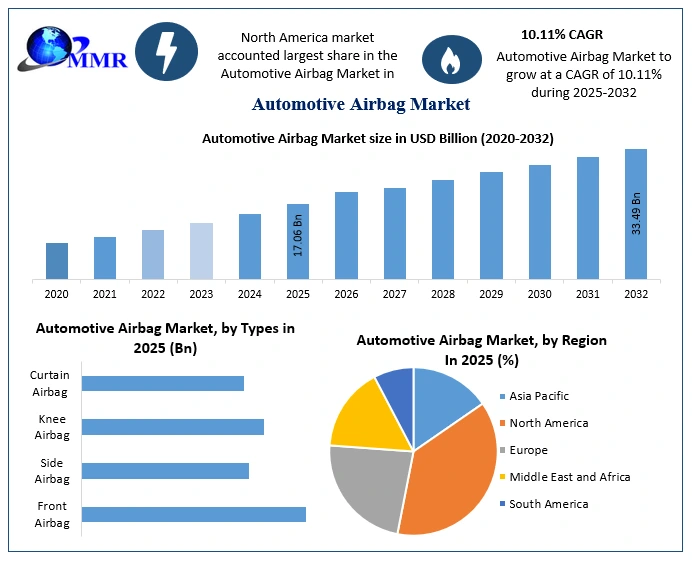 0 Comments ·0 Shares ·4 Views
-
Homeopathy for Hyperacidity – Explore Products at Excel Pharma
Explore homeopathy for hyperacidity with Excel Pharma’s dedicated digestive problem category. Find information about available homeopathic products and their listed ingredients. Visit the official website to discover the Excel Pharma product range and learn more.
CTA: Discover Excel Pharma’s Hyperacidity Product Range!
URL: https://www.excelpharma.co.in/product-category/diseases/digestive-problem/hyperacidity/
Homeopathy for Hyperacidity – Explore Products at Excel Pharma Explore homeopathy for hyperacidity with Excel Pharma’s dedicated digestive problem category. Find information about available homeopathic products and their listed ingredients. Visit the official website to discover the Excel Pharma product range and learn more. CTA: Discover Excel Pharma’s Hyperacidity Product Range! URL: https://www.excelpharma.co.in/product-category/diseases/digestive-problem/hyperacidity/0 Comments ·0 Shares ·118 Views -
Drilling Fluids Market Opportunities, Industry Developments and Growth Prospects
Global Drilling Fluids Market to Reach USD 23.33 Billion by 2034, Growing at a CAGR of 5.8%
Maximize Market Research | Friday, November 6, 2026
Submitted by Ankita Kagwade | Maximize Market Research
NEWARK, Del., November 6, 2026 — The Drilling Fluids Market was valued at USD 14.05 billion in 2025 and is projected to reach USD 23.33 billion by 2034, growing at a CAGR of 5.8% during the forecast period from 2026 to 2034. The market is expected to generate an incremental value of approximately USD 9.28 billion over the forecast period. Increasing oil and gas exploration, expanding offshore and deepwater drilling activities, and rising energy demand are supporting market growth. Drilling fluids play a critical role in maintaining wellbore stability, managing downhole pressure, improving drilling efficiency, and supporting safe operations across onshore and offshore oil and gas projects.
Growing adoption of water-based drilling fluids, advanced chemical additives, digital fluid management, and automation technologies is further shaping the industry. Companies are increasingly developing specialized fluid solutions to address complex drilling conditions, improve operational performance, and meet sustainability requirements.
Request a Sample Report: https://www.maximizemarketresearch.com/request-sample/117886/
Global Drilling Fluids Market Size & Growth Forecasts
Base Year Market Size (2025): USD 14.05 Billion
Projected Market Size (2034): USD 23.33 Billion
CAGR (2026–2034): 5.8%
Added Market Value: USD 9.28 Billion
The Short Version
Steady Expansion: The global drilling fluids industry is expected to experience consistent growth, supported by increasing oil and gas exploration investments and rising energy requirements.
Specialty and Key Demand: Water-based drilling fluids accounted for 55% of the global market in 2025, reflecting growing demand for fluid solutions that combine operational performance with sustainability.
Sustainable and Technology-Driven Solutions: Digital fluid management, automation, multifunctional additives, and environmentally conscious formulations are creating new opportunities for industry participants.
Main Industrial Applications: Onshore drilling accounted for 63% of the market in 2025, while expanding offshore, deepwater, and ultra-deepwater exploration activities are supporting additional demand.
Growth Drivers
The global Drilling Fluids Market is gaining momentum as oil and gas companies increase exploration investments, expand offshore drilling operations, and adopt advanced fluid technologies. Rising crude oil demand, new offshore discoveries, and improvements in drilling fluid handling systems are contributing to industry expansion.
Key growth drivers include:
- Expanding Oil and Gas Exploration: Increasing investments in oil exploration activities and rising global crude oil demand are encouraging drilling operations and supporting demand for drilling fluids. According to the source, global crude oil demand increased from 91 million barrels per day in 2020 to 96.5 million barrels per day in 2022.
- Growing Offshore and Deepwater Activities: New discoveries across West Africa, Latin America, and Asia Pacific are creating opportunities for deepwater and ultra-deepwater drilling. Exploration activities in Angola, the United States, Brazil, Nigeria, Malaysia, and Norway are contributing to demand.
- Increasing Demand for Water-Based Fluids: Water-based drilling muds accounted for 55% of the global market in 2025. Growing adoption of these fluids is supported by sustainability requirements and their competitive performance in drilling operations.
- Advancements in Fluid Additives and Handling Systems: Innovative fluid additives and specialized chemicals are improving wellbore hydraulics and enhancing the functionality of water-based muds and air drilling fluids. Increased attention to operational safety is also encouraging new product development.
- Rising Onshore and Offshore Drilling Investments: Onshore applications represented 63% of the market in 2025. Growing exploration activities in Saudi Arabia, the United States, China, and Russia, alongside offshore production developments, are supporting market expansion.
Drilling Fluids Market Opportunities, Industry Developments and Growth Prospects Global Drilling Fluids Market to Reach USD 23.33 Billion by 2034, Growing at a CAGR of 5.8% Maximize Market Research | Friday, November 6, 2026 Submitted by Ankita Kagwade | Maximize Market Research NEWARK, Del., November 6, 2026 — The Drilling Fluids Market was valued at USD 14.05 billion in 2025 and is projected to reach USD 23.33 billion by 2034, growing at a CAGR of 5.8% during the forecast period from 2026 to 2034. The market is expected to generate an incremental value of approximately USD 9.28 billion over the forecast period. Increasing oil and gas exploration, expanding offshore and deepwater drilling activities, and rising energy demand are supporting market growth. Drilling fluids play a critical role in maintaining wellbore stability, managing downhole pressure, improving drilling efficiency, and supporting safe operations across onshore and offshore oil and gas projects. Growing adoption of water-based drilling fluids, advanced chemical additives, digital fluid management, and automation technologies is further shaping the industry. Companies are increasingly developing specialized fluid solutions to address complex drilling conditions, improve operational performance, and meet sustainability requirements. Request a Sample Report: https://www.maximizemarketresearch.com/request-sample/117886/ Global Drilling Fluids Market Size & Growth Forecasts Base Year Market Size (2025): USD 14.05 Billion Projected Market Size (2034): USD 23.33 Billion CAGR (2026–2034): 5.8% Added Market Value: USD 9.28 Billion The Short Version Steady Expansion: The global drilling fluids industry is expected to experience consistent growth, supported by increasing oil and gas exploration investments and rising energy requirements. Specialty and Key Demand: Water-based drilling fluids accounted for 55% of the global market in 2025, reflecting growing demand for fluid solutions that combine operational performance with sustainability. Sustainable and Technology-Driven Solutions: Digital fluid management, automation, multifunctional additives, and environmentally conscious formulations are creating new opportunities for industry participants. Main Industrial Applications: Onshore drilling accounted for 63% of the market in 2025, while expanding offshore, deepwater, and ultra-deepwater exploration activities are supporting additional demand. Growth Drivers The global Drilling Fluids Market is gaining momentum as oil and gas companies increase exploration investments, expand offshore drilling operations, and adopt advanced fluid technologies. Rising crude oil demand, new offshore discoveries, and improvements in drilling fluid handling systems are contributing to industry expansion. Key growth drivers include: - Expanding Oil and Gas Exploration: Increasing investments in oil exploration activities and rising global crude oil demand are encouraging drilling operations and supporting demand for drilling fluids. According to the source, global crude oil demand increased from 91 million barrels per day in 2020 to 96.5 million barrels per day in 2022. - Growing Offshore and Deepwater Activities: New discoveries across West Africa, Latin America, and Asia Pacific are creating opportunities for deepwater and ultra-deepwater drilling. Exploration activities in Angola, the United States, Brazil, Nigeria, Malaysia, and Norway are contributing to demand. - Increasing Demand for Water-Based Fluids: Water-based drilling muds accounted for 55% of the global market in 2025. Growing adoption of these fluids is supported by sustainability requirements and their competitive performance in drilling operations. - Advancements in Fluid Additives and Handling Systems: Innovative fluid additives and specialized chemicals are improving wellbore hydraulics and enhancing the functionality of water-based muds and air drilling fluids. Increased attention to operational safety is also encouraging new product development. - Rising Onshore and Offshore Drilling Investments: Onshore applications represented 63% of the market in 2025. Growing exploration activities in Saudi Arabia, the United States, China, and Russia, alongside offshore production developments, are supporting market expansion.0 Comments ·0 Shares ·139 Views -
The Military Simulation and Virtual Training Market was valued at USD 17.28 billion in 2025 and is projected to scale to USD 25.48 billion by 2032, expanding at a compound annual growth rate (CAGR) of 5.7% over the forecast period.
Faced with escalating geopolitical friction, soaring live-exercise operational costs, and stringent environmental mandates, global defense forces are radically pivoting from traditional live field exercises to high-fidelity synthetic environments. The integration of artificial intelligence (AI), augmented/virtual reality (AR/VR), and real-time digital twins has fundamentally transformed military readiness.
Key Findings from the Report
Market Valuation: The global market stands at USD 17.28 billion in 2025, scaling upward to reach USD 25.48 billion by 2032.
Growth Trajectory: Demonstrates a steady 5.7% CAGR throughout the 2026–2032 forecast window.
Platform Segmentation: Aerial and flight training systems remain the dominant revenue generator, capturing over 42% of market share due to the extreme capital costs associated with actual flight hours and aircraft maintenance.
Application Focus: Naval and land-based tactical vehicle simulation are experiencing the fastest-growing adoption rates as navies and armies digitize entire fleet architectures.
Regional Dominance: North America leads the global landscape, fueled by massive multi-billion-dollar defense outlays and continuous upgrades to U.S. Air Force and Navy training frameworks.
Emerging Hotspots: Asia-Pacific is the fastest-growing regional market, catalyzed by rapid indigenous defense modernization programs in India, South Korea, and Taiwan.
Investment Relevance: Prime contractors are aggressively shifting toward service-based, long-term training contracts (such as multi-decade contractor-operated simulation centers) to secure predictable, recurring revenue streams.
For further information, click the following link:https://www.stellarmr.com/report/req_sample/military-simulation-and-virtual-training-market/2400
Market Drivers and Restraints
Drivers
Escalating Costs of Live Training Operations: Surging fuel prices, strict environmental carbon caps, and high maintenance expenses for advanced stealth aircraft and armored brigades make synthetic simulation an indispensable cost-mitigation strategy.
Proliferation of AI and Immersive Technologies: The incorporation of machine learning algorithms enables adaptive opponent behaviors and responsive synthetic adversaries, creating hyper-realistic combat scenarios that evolve with the trainee's skill level.
Risk Reduction in Hazardous Rehearsals: Virtual training allows personnel to rehearse high-risk scenarios—such as electronic warfare jamming, low-level flight maneuvers, and urban combat entries—without exposing operators or multi-million-dollar assets to physical harm.
Restraints
High System Integration Complexity: Interoperability challenges between legacy military hardware and next-gen virtual platforms complicate system integration, requiring extensive customization and prolonged testing cycles.
Stringent Cybersecurity and Data Sovereignty Requirements: Defense simulation systems handle classified tactical telemetry, demanding ironclad cybersecurity measures that inflate development expenses and delay deployment timelines.
Technology, Regulation, and Sustainability Trends
The modernization wave is heavily anchored in technology and compliance:
Digital Twins and Cloud Architecture: Militaries are adopting cloud-enabled Live, Virtual, and Constructive (LVC) architectures, allowing geographically dispersed units to train collectively in the same virtual theater.
Environmental Sustainability: By substituting physical flight hours and ammunition expenditure with synthetic runs, defense ministries are drastically lowering their carbon footprints, aligning with international green defense mandates.
Regulatory Standardization: EASA and military aviation authorities are increasingly approving simulator hours for formal aircrew currency, reducing reliance on actual flight-line hours.
Regional Insights
North America: Retains the largest market share, anchored by large-scale U.S. defense modernization initiatives, robust R&D funding, and established prime contractor ecosystems.
Asia-Pacific: Poised for rapid expansion. Driven by heightened regional security dynamics and aggressive defense procurement budgets in nations like India and Japan, armed forces are prioritizing localized simulation hubs to train personnel on newly acquired advanced fighter jets and naval systems.
Recent Industry Developments
Rheinmetall AG (July 2026): Joined the Raytheon UK-led Omnia Training consortium, securing a landmark British Army training services contract valued at just under €1 billion over 15 years, cementing long-cycle service delivery models.
Varjo & VRAI Partnership (April 2026): Partnered to integrate military-grade Extended Reality (XR) hardware with VRAI's HEAT human-performance analytics platform, bringing deep biometric and cognitive performance tracking to defense training.
CAE Inc. (February 2026): Secured a USD 69.9 million contract to deliver F-16 Block 70 training simulators for the Republic of China Air Force, scheduled for completion by August 2028.
Rheinmetall AG (January 2026): Awarded a €118.5 million contract to supply nine Puma infantry fighting vehicle training simulators to the German Bundeswehr, reinforcing next-generation mechanized combat training.
Sigma Defense Systems (Late 2025/Early 2026): Awarded a USD 4.7 million task order by the U.S. Army to build the Operator Maintainer Immersive Virtual Reality Environment for Intelligence Training (OMNIVORE-IT) platform.
Competitive Landscape
The market features intense competition among global aerospace and defense primes. Key industry leaders include CAE Inc., Rheinmetall AG, Thales Group, Lockheed Martin Corporation, Collins Aerospace (RTX Corporation), and FlightSafety International.
To maintain market leadership, these players are actively pursuing strategic mergers, acquisitions, and cross-border consortium partnerships. Their primary competitive strategy centers on delivering modular, software-upgradeable synthetic training platforms that integrate seamlessly with legacy military hardware while lowering lifecycle costs for budget-constrained defense ministries.
Analyst Commentary
“Modern warfare has evolved into a multi-domain, data-intensive ecosystem where traditional live training is no longer economically or logistically sufficient,” said a Senior Research Analyst at Stellar Market Research. “Defense agencies are looking beyond standalone hardware simulators; they demand fully networked, AI-enabled synthetic environments that can instantly adapt to shifting geopolitical threats and rapidly upskill personnel across air, land, and sea.”
Future Outlook
Through 2032, the Military Simulation and Virtual Training Market is poised for structural expansion. As defense budgets increasingly favor technology-driven force multipliers over sheer troop volume, the demand for cloud-linked LVC architectures, AI-driven after-action analytics, and immersive XR gear will accelerate. Manufacturers that successfully bridge the gap between legacy combat systems and cutting-edge virtual software will capture significant market share over the forecast period.
For further information, click the following link:https://www.stellarmr.com/report/req_sample/military-simulation-and-virtual-training-market/2400
About Stellar Market Research
Stellar Market Research is a multifaceted market research and consulting company with professionals from several industries. Some of the industries we cover include medical devices, pharmaceutical manufacturers, science and engineering, electronic components, industrial equipment, technology and communication, cars and automobiles, chemical products and substances, general merchandise, beverages, personal care, and automated systems. To mention a few, we provide market-verified industry estimations, technical trend analysis, crucial market research, strategic advice, competition analysis, production and demand analysis, and client impact studies.
Address
Phase 3, Navale IT Zone, S.No. 51/2A/2, Office No. 202, 2nd floor, Near, Navale Brg, Narhe, Pune, Maharashtra 411041
Email
[email protected]
Mobile
+91 9607365656The Military Simulation and Virtual Training Market was valued at USD 17.28 billion in 2025 and is projected to scale to USD 25.48 billion by 2032, expanding at a compound annual growth rate (CAGR) of 5.7% over the forecast period. Faced with escalating geopolitical friction, soaring live-exercise operational costs, and stringent environmental mandates, global defense forces are radically pivoting from traditional live field exercises to high-fidelity synthetic environments. The integration of artificial intelligence (AI), augmented/virtual reality (AR/VR), and real-time digital twins has fundamentally transformed military readiness. Key Findings from the Report Market Valuation: The global market stands at USD 17.28 billion in 2025, scaling upward to reach USD 25.48 billion by 2032. Growth Trajectory: Demonstrates a steady 5.7% CAGR throughout the 2026–2032 forecast window. Platform Segmentation: Aerial and flight training systems remain the dominant revenue generator, capturing over 42% of market share due to the extreme capital costs associated with actual flight hours and aircraft maintenance. Application Focus: Naval and land-based tactical vehicle simulation are experiencing the fastest-growing adoption rates as navies and armies digitize entire fleet architectures. Regional Dominance: North America leads the global landscape, fueled by massive multi-billion-dollar defense outlays and continuous upgrades to U.S. Air Force and Navy training frameworks. Emerging Hotspots: Asia-Pacific is the fastest-growing regional market, catalyzed by rapid indigenous defense modernization programs in India, South Korea, and Taiwan. Investment Relevance: Prime contractors are aggressively shifting toward service-based, long-term training contracts (such as multi-decade contractor-operated simulation centers) to secure predictable, recurring revenue streams. For further information, click the following link:https://www.stellarmr.com/report/req_sample/military-simulation-and-virtual-training-market/2400 Market Drivers and Restraints Drivers Escalating Costs of Live Training Operations: Surging fuel prices, strict environmental carbon caps, and high maintenance expenses for advanced stealth aircraft and armored brigades make synthetic simulation an indispensable cost-mitigation strategy. Proliferation of AI and Immersive Technologies: The incorporation of machine learning algorithms enables adaptive opponent behaviors and responsive synthetic adversaries, creating hyper-realistic combat scenarios that evolve with the trainee's skill level. Risk Reduction in Hazardous Rehearsals: Virtual training allows personnel to rehearse high-risk scenarios—such as electronic warfare jamming, low-level flight maneuvers, and urban combat entries—without exposing operators or multi-million-dollar assets to physical harm. Restraints High System Integration Complexity: Interoperability challenges between legacy military hardware and next-gen virtual platforms complicate system integration, requiring extensive customization and prolonged testing cycles. Stringent Cybersecurity and Data Sovereignty Requirements: Defense simulation systems handle classified tactical telemetry, demanding ironclad cybersecurity measures that inflate development expenses and delay deployment timelines. Technology, Regulation, and Sustainability Trends The modernization wave is heavily anchored in technology and compliance: Digital Twins and Cloud Architecture: Militaries are adopting cloud-enabled Live, Virtual, and Constructive (LVC) architectures, allowing geographically dispersed units to train collectively in the same virtual theater. Environmental Sustainability: By substituting physical flight hours and ammunition expenditure with synthetic runs, defense ministries are drastically lowering their carbon footprints, aligning with international green defense mandates. Regulatory Standardization: EASA and military aviation authorities are increasingly approving simulator hours for formal aircrew currency, reducing reliance on actual flight-line hours. Regional Insights North America: Retains the largest market share, anchored by large-scale U.S. defense modernization initiatives, robust R&D funding, and established prime contractor ecosystems. Asia-Pacific: Poised for rapid expansion. Driven by heightened regional security dynamics and aggressive defense procurement budgets in nations like India and Japan, armed forces are prioritizing localized simulation hubs to train personnel on newly acquired advanced fighter jets and naval systems. Recent Industry Developments Rheinmetall AG (July 2026): Joined the Raytheon UK-led Omnia Training consortium, securing a landmark British Army training services contract valued at just under €1 billion over 15 years, cementing long-cycle service delivery models. Varjo & VRAI Partnership (April 2026): Partnered to integrate military-grade Extended Reality (XR) hardware with VRAI's HEAT human-performance analytics platform, bringing deep biometric and cognitive performance tracking to defense training. CAE Inc. (February 2026): Secured a USD 69.9 million contract to deliver F-16 Block 70 training simulators for the Republic of China Air Force, scheduled for completion by August 2028. Rheinmetall AG (January 2026): Awarded a €118.5 million contract to supply nine Puma infantry fighting vehicle training simulators to the German Bundeswehr, reinforcing next-generation mechanized combat training. Sigma Defense Systems (Late 2025/Early 2026): Awarded a USD 4.7 million task order by the U.S. Army to build the Operator Maintainer Immersive Virtual Reality Environment for Intelligence Training (OMNIVORE-IT) platform. Competitive Landscape The market features intense competition among global aerospace and defense primes. Key industry leaders include CAE Inc., Rheinmetall AG, Thales Group, Lockheed Martin Corporation, Collins Aerospace (RTX Corporation), and FlightSafety International. To maintain market leadership, these players are actively pursuing strategic mergers, acquisitions, and cross-border consortium partnerships. Their primary competitive strategy centers on delivering modular, software-upgradeable synthetic training platforms that integrate seamlessly with legacy military hardware while lowering lifecycle costs for budget-constrained defense ministries. Analyst Commentary “Modern warfare has evolved into a multi-domain, data-intensive ecosystem where traditional live training is no longer economically or logistically sufficient,” said a Senior Research Analyst at Stellar Market Research. “Defense agencies are looking beyond standalone hardware simulators; they demand fully networked, AI-enabled synthetic environments that can instantly adapt to shifting geopolitical threats and rapidly upskill personnel across air, land, and sea.” Future Outlook Through 2032, the Military Simulation and Virtual Training Market is poised for structural expansion. As defense budgets increasingly favor technology-driven force multipliers over sheer troop volume, the demand for cloud-linked LVC architectures, AI-driven after-action analytics, and immersive XR gear will accelerate. Manufacturers that successfully bridge the gap between legacy combat systems and cutting-edge virtual software will capture significant market share over the forecast period. For further information, click the following link:https://www.stellarmr.com/report/req_sample/military-simulation-and-virtual-training-market/2400 About Stellar Market Research Stellar Market Research is a multifaceted market research and consulting company with professionals from several industries. Some of the industries we cover include medical devices, pharmaceutical manufacturers, science and engineering, electronic components, industrial equipment, technology and communication, cars and automobiles, chemical products and substances, general merchandise, beverages, personal care, and automated systems. To mention a few, we provide market-verified industry estimations, technical trend analysis, crucial market research, strategic advice, competition analysis, production and demand analysis, and client impact studies. Address Phase 3, Navale IT Zone, S.No. 51/2A/2, Office No. 202, 2nd floor, Near, Navale Brg, Narhe, Pune, Maharashtra 411041 Email [email protected] Mobile +91 96073656560 Comments ·0 Shares ·141 Views -
Roofing Adhesive Market Creates Opportunities in Flat Roof Installation
Market Estimation & Definition
The global Roofing Adhesive Market is gaining momentum as construction companies, property developers and homeowners increasingly adopt durable bonding solutions for roofing applications. According to Stellar Market Research, the market was valued at USD 7.98 billion in 2025 and is projected to reach USD 12.89 billion by 2032, registering a compound annual growth rate (CAGR) of 7.09% during the 2026–2032 forecast period. The report uses 2025 as the base year, with historical data covering 2020–2025.
Roofing adhesives are specialised bonding materials used in roofing installations, insulation placement, tile fixing and sealing applications. They are designed to provide strong adhesion, weather resistance, flexibility and long-lasting performance under changing environmental conditions. These products support residential and non-residential construction projects, helping improve roof durability and installation efficiency.
Download Free PDF Brochure: https://www.stellarmr.com/report/req_sample/Roofing-Adhesive-Market/1440
Market Growth Drivers & Opportunity
The expansion of the global construction industry is a major factor driving the Roofing Adhesive Market. New residential developments, commercial buildings, warehouses and industrial facilities require reliable roofing systems that can withstand environmental exposure. As construction activity increases, demand for effective bonding and sealing products is also expected to rise.
Building renovation and roof replacement projects create additional opportunities. Property owners are investing in improvements that enhance structural performance, appearance and energy efficiency. Roofing adhesives support the installation of insulation materials, roofing membranes and other components, making them useful in both new construction and renovation work.
Environmental awareness is also influencing product development. Demand for low-volatile-organic-compound (VOC) and water-based formulations is encouraging manufacturers to develop products that meet evolving sustainability expectations. Government infrastructure investment and construction recovery programmes can further support demand across residential and commercial applications.
Nevertheless, fluctuations in raw material prices, shipping delays and supply-chain disruptions can affect manufacturing costs and product availability. Seasonal weather conditions may also influence roofing activity and purchasing patterns. Manufacturers that strengthen supply chains, improve formulation performance and offer cost-effective products can benefit from ongoing construction and renovation demand.
What Lies Ahead: Emerging Trends Shaping the Future
The future of the Roofing Adhesive Market will be shaped by advances in adhesive chemistry, sustainable construction practices and demand for improved installation performance. Water-based adhesives are gaining attention as manufacturers and construction businesses seek alternatives with lower emissions and reduced environmental impact.
Product innovation is another important trend. Roofing adhesives that offer strong bonding, flexibility, resistance to moisture and reliable performance under temperature variations can support longer-lasting roofing systems. Improved application methods may also help contractors reduce installation time and material waste.
Growing investment in energy-efficient buildings is expected to create opportunities for adhesives used in roofing insulation systems. As property owners seek to improve building performance, reliable bonding solutions will remain important for installing roofing components and maintaining structural integrity.
Digital construction planning, changing building regulations and demand for sustainable materials are also expected to influence product specifications. Companies that invest in research, consistent quality and environmentally conscious formulations may be better positioned to meet future market requirements.
Get More Report Details: https://www.stellarmr.com/report/Roofing-Adhesive-Market/1440
Segmentation Analysis
Stellar Market Research segments the Roofing Adhesive Market by type, technology, application and region.
By Type
Polyurethane
Epoxy
Silicone
Acrylic
Other
Acrylic adhesives are identified as the fastest-growing resin-type segment, supported by applications involving water-based, UV-curing and heat-resistant adhesive formulations.
By Technology
Solvent-borne
Water-borne
Other
By Application
Residential
Non-residential
By Region
North America
Europe
Asia Pacific
Middle East and Africa
South America
North America held the largest regional market share in 2025, supported by construction activity, building renovation and demand for established roofing systems.
Country-Level Analysis: USA and Germany
United States: The USA is a significant market for roofing adhesives, supported by residential construction, commercial building development and roof renovation projects. Demand for weather-resistant materials and effective insulation installation creates opportunities for manufacturers. Companies such as Polyglass USA, 3M, H.B. Fuller, GAF and Johns Manville are among the industry participants identified in the report.
Germany: Germany represents an important European market, supported by its construction industry and established chemicals sector. Demand for durable building materials, energy-efficient construction and renovation projects provides opportunities for adhesive manufacturers. Henkel AG & Co. KGaA, BASF SE and Wacker Chemie AG are among the Germany-based companies identified in the report. The report does not provide separate market-size estimates for either country.
Competitive Analysis
The Roofing Adhesive Market features multinational chemical manufacturers, specialist adhesive suppliers and roofing-material companies. Key players identified by Stellar Market Research include Polyglass USA, MAPEI S.p.A., Sika AG, Henkel AG & Co. KGaA, BASF SE, 3M, Bostik, H.B. Fuller, Arkema, Taylor, Apollo Roofing Solutions, GAF, Karnak, Chemlink, Wacker Chemie AG, Pidilite Industries, Johns Manville, Liquid Nails, IKO Industries and Finpan.
Competition is shaped by bonding strength, durability, weather resistance, product cost, environmental performance and distribution reach. Manufacturers are investing in research and development to improve formulations, expand product portfolios and meet changing construction requirements. Companies offering reliable performance alongside sustainable product options may strengthen their competitive positions.
Download Free PDF Brochure: https://www.stellarmr.com/report/req_sample/Roofing-Adhesive-Market/1440
Press Release Conclusion
The Roofing Adhesive Market is projected to reach USD 12.89 billion by 2032, driven by construction growth, building renovation and increasing demand for durable roofing systems. Developments in water-based formulations, energy-efficient construction and advanced adhesive technologies are creating new opportunities. Although raw material volatility and seasonal demand remain challenges, manufacturers focusing on product reliability, sustainability and cost efficiency are positioned to participate in the market’s continued development.
About Stellar Market Research:
Stellar Market Research is a multifaceted market research and consulting company with professionals from several industries. Some of the industries we cover include medical devices, pharmaceutical manufacturers, science and engineering, electronic components, industrial equipment, technology and communication, cars and automobiles, chemical products and substances, general merchandise, beverages, personal care, and automated systems. To mention a few, we provide market-verified industry estimations, technical trend analysis, crucial market research, strategic advice, competition analysis, production and demand analysis, and client impact studies.
Contact Stellar Market Research:
3rd Floor, Navale IT Park, Phase 2
Pune Banglore Highway, Narhe,
Pune, Maharashtra 411041, India
[email protected]
+91 20 6630 3320 | +91 9607365656Roofing Adhesive Market Creates Opportunities in Flat Roof Installation Market Estimation & Definition The global Roofing Adhesive Market is gaining momentum as construction companies, property developers and homeowners increasingly adopt durable bonding solutions for roofing applications. According to Stellar Market Research, the market was valued at USD 7.98 billion in 2025 and is projected to reach USD 12.89 billion by 2032, registering a compound annual growth rate (CAGR) of 7.09% during the 2026–2032 forecast period. The report uses 2025 as the base year, with historical data covering 2020–2025. Roofing adhesives are specialised bonding materials used in roofing installations, insulation placement, tile fixing and sealing applications. They are designed to provide strong adhesion, weather resistance, flexibility and long-lasting performance under changing environmental conditions. These products support residential and non-residential construction projects, helping improve roof durability and installation efficiency. Download Free PDF Brochure: https://www.stellarmr.com/report/req_sample/Roofing-Adhesive-Market/1440 Market Growth Drivers & Opportunity The expansion of the global construction industry is a major factor driving the Roofing Adhesive Market. New residential developments, commercial buildings, warehouses and industrial facilities require reliable roofing systems that can withstand environmental exposure. As construction activity increases, demand for effective bonding and sealing products is also expected to rise. Building renovation and roof replacement projects create additional opportunities. Property owners are investing in improvements that enhance structural performance, appearance and energy efficiency. Roofing adhesives support the installation of insulation materials, roofing membranes and other components, making them useful in both new construction and renovation work. Environmental awareness is also influencing product development. Demand for low-volatile-organic-compound (VOC) and water-based formulations is encouraging manufacturers to develop products that meet evolving sustainability expectations. Government infrastructure investment and construction recovery programmes can further support demand across residential and commercial applications. Nevertheless, fluctuations in raw material prices, shipping delays and supply-chain disruptions can affect manufacturing costs and product availability. Seasonal weather conditions may also influence roofing activity and purchasing patterns. Manufacturers that strengthen supply chains, improve formulation performance and offer cost-effective products can benefit from ongoing construction and renovation demand. What Lies Ahead: Emerging Trends Shaping the Future The future of the Roofing Adhesive Market will be shaped by advances in adhesive chemistry, sustainable construction practices and demand for improved installation performance. Water-based adhesives are gaining attention as manufacturers and construction businesses seek alternatives with lower emissions and reduced environmental impact. Product innovation is another important trend. Roofing adhesives that offer strong bonding, flexibility, resistance to moisture and reliable performance under temperature variations can support longer-lasting roofing systems. Improved application methods may also help contractors reduce installation time and material waste. Growing investment in energy-efficient buildings is expected to create opportunities for adhesives used in roofing insulation systems. As property owners seek to improve building performance, reliable bonding solutions will remain important for installing roofing components and maintaining structural integrity. Digital construction planning, changing building regulations and demand for sustainable materials are also expected to influence product specifications. Companies that invest in research, consistent quality and environmentally conscious formulations may be better positioned to meet future market requirements. Get More Report Details: https://www.stellarmr.com/report/Roofing-Adhesive-Market/1440 Segmentation Analysis Stellar Market Research segments the Roofing Adhesive Market by type, technology, application and region. By Type Polyurethane Epoxy Silicone Acrylic Other Acrylic adhesives are identified as the fastest-growing resin-type segment, supported by applications involving water-based, UV-curing and heat-resistant adhesive formulations. By Technology Solvent-borne Water-borne Other By Application Residential Non-residential By Region North America Europe Asia Pacific Middle East and Africa South America North America held the largest regional market share in 2025, supported by construction activity, building renovation and demand for established roofing systems. Country-Level Analysis: USA and Germany United States: The USA is a significant market for roofing adhesives, supported by residential construction, commercial building development and roof renovation projects. Demand for weather-resistant materials and effective insulation installation creates opportunities for manufacturers. Companies such as Polyglass USA, 3M, H.B. Fuller, GAF and Johns Manville are among the industry participants identified in the report. Germany: Germany represents an important European market, supported by its construction industry and established chemicals sector. Demand for durable building materials, energy-efficient construction and renovation projects provides opportunities for adhesive manufacturers. Henkel AG & Co. KGaA, BASF SE and Wacker Chemie AG are among the Germany-based companies identified in the report. The report does not provide separate market-size estimates for either country. Competitive Analysis The Roofing Adhesive Market features multinational chemical manufacturers, specialist adhesive suppliers and roofing-material companies. Key players identified by Stellar Market Research include Polyglass USA, MAPEI S.p.A., Sika AG, Henkel AG & Co. KGaA, BASF SE, 3M, Bostik, H.B. Fuller, Arkema, Taylor, Apollo Roofing Solutions, GAF, Karnak, Chemlink, Wacker Chemie AG, Pidilite Industries, Johns Manville, Liquid Nails, IKO Industries and Finpan. Competition is shaped by bonding strength, durability, weather resistance, product cost, environmental performance and distribution reach. Manufacturers are investing in research and development to improve formulations, expand product portfolios and meet changing construction requirements. Companies offering reliable performance alongside sustainable product options may strengthen their competitive positions. Download Free PDF Brochure: https://www.stellarmr.com/report/req_sample/Roofing-Adhesive-Market/1440 Press Release Conclusion The Roofing Adhesive Market is projected to reach USD 12.89 billion by 2032, driven by construction growth, building renovation and increasing demand for durable roofing systems. Developments in water-based formulations, energy-efficient construction and advanced adhesive technologies are creating new opportunities. Although raw material volatility and seasonal demand remain challenges, manufacturers focusing on product reliability, sustainability and cost efficiency are positioned to participate in the market’s continued development. About Stellar Market Research: Stellar Market Research is a multifaceted market research and consulting company with professionals from several industries. Some of the industries we cover include medical devices, pharmaceutical manufacturers, science and engineering, electronic components, industrial equipment, technology and communication, cars and automobiles, chemical products and substances, general merchandise, beverages, personal care, and automated systems. To mention a few, we provide market-verified industry estimations, technical trend analysis, crucial market research, strategic advice, competition analysis, production and demand analysis, and client impact studies. Contact Stellar Market Research: 3rd Floor, Navale IT Park, Phase 2 Pune Banglore Highway, Narhe, Pune, Maharashtra 411041, India [email protected] +91 20 6630 3320 | +91 96073656560 Comments ·0 Shares ·164 Views -
-
Take Your Gaming Experience Further with Online Indian Casino Games
Looking for exciting online indian casino games? Chaska99 offers a diverse gaming playground with popular and engaging options to explore. Sign up today and win real money at https://chaska99.com/casinoTake Your Gaming Experience Further with Online Indian Casino Games Looking for exciting online indian casino games? Chaska99 offers a diverse gaming playground with popular and engaging options to explore. Sign up today and win real money at https://chaska99.com/casino0 Comments ·0 Shares ·149 Views -
Immigration DNA Tests in Electronic City for Sponsored Visas
Families applying for sponsored visas may need to establish biological relationships to meet immigration requirements. Immigration DNA tests in Electronic City can help verify family connections through paternity, maternity, siblingship, and other kinship tests.
DDC Laboratories India provides immigration DNA testing services through a network of 250+ sample collection centers across India and internationally, helping families access convenient sample collection and relationship verification. For inquiries, call +91 8010177771 or WhatsApp +91 9266615552. Read our full blog.
#ImmigrationDNATest #DNATestingInElectronicCity #SponsoredVisa #VisaApplications #PaternityDNATest #MaternityDNATest #KinshipDNATestImmigration DNA Tests in Electronic City for Sponsored Visas Families applying for sponsored visas may need to establish biological relationships to meet immigration requirements. Immigration DNA tests in Electronic City can help verify family connections through paternity, maternity, siblingship, and other kinship tests. DDC Laboratories India provides immigration DNA testing services through a network of 250+ sample collection centers across India and internationally, helping families access convenient sample collection and relationship verification. For inquiries, call +91 8010177771 or WhatsApp +91 9266615552. Read our full blog. #ImmigrationDNATest #DNATestingInElectronicCity #SponsoredVisa #VisaApplications #PaternityDNATest #MaternityDNATest #KinshipDNATest0 Comments ·0 Shares ·168 Views -
Reliable Immigration DNA Testing in Kanpur for Your Family Visa
Immigration DNA testing in Kanpur, Uttar Pradesh, helps families establish biological relationships for sponsored visas and family reunification. Available tests include paternity, maternity, siblingship, grandparentage, and avuncular DNA testing.
DDC Laboratories India coordinates DNA testing through its accredited laboratory, supporting eligible immigration cases requiring AABB, NATA, IRCC, and MOJ accreditations, as applicable. The process involves secure cheek-swab sample collection, laboratory analysis, and confidential reporting. Applicants and their overseas sponsors can arrange sample collection through authorized facilities.
For immigration DNA testing details in Kanpur, call +91 8010177771 or WhatsApp +91 9266615552.
Know more about us: https://ddclaboratoreiesindia.wordpress.com/2026/11/06/reliable-immigration-dna-testing-in-kanpur-for-your-family-visa-2/
#ImmigrationDNATest #DNATestingKanpur #DNATestUttarPradesh #FamilyVisaDNA #PaternityDNATest #KinshipDNATest #DDCLaboratoriesIndiaReliable Immigration DNA Testing in Kanpur for Your Family Visa Immigration DNA testing in Kanpur, Uttar Pradesh, helps families establish biological relationships for sponsored visas and family reunification. Available tests include paternity, maternity, siblingship, grandparentage, and avuncular DNA testing. DDC Laboratories India coordinates DNA testing through its accredited laboratory, supporting eligible immigration cases requiring AABB, NATA, IRCC, and MOJ accreditations, as applicable. The process involves secure cheek-swab sample collection, laboratory analysis, and confidential reporting. Applicants and their overseas sponsors can arrange sample collection through authorized facilities. For immigration DNA testing details in Kanpur, call +91 8010177771 or WhatsApp +91 9266615552. Know more about us: https://ddclaboratoreiesindia.wordpress.com/2026/11/06/reliable-immigration-dna-testing-in-kanpur-for-your-family-visa-2/ #ImmigrationDNATest #DNATestingKanpur #DNATestUttarPradesh #FamilyVisaDNA #PaternityDNATest #KinshipDNATest #DDCLaboratoriesIndia0 Comments ·0 Shares ·190 Views -
The global Nuclear Medicine Market was valued at USD 112.73 billion in 2025 and is projected to skyrocket to USD 452.57 billion by 2034, expanding at a robust Compound Annual Growth Rate (CAGR) of 16.7% throughout the forecast period.
The global healthcare ecosystem is witnessing a definitive transition away from generalized cytotoxic treatments toward molecularly targeted precision medicine. Nuclear medicine sits at the epicenter of this transformation. By leveraging radioactive isotopes attached to targeting vectors, modern radiopharmaceuticals deliver high-dose radiation directly to malignant cells while sparing healthy surrounding tissue.
Key Findings from the Report
Market Valuation & Trajectory: The global nuclear medicine market size reached USD 112.73 billion in 2025 and is on track to achieve USD 452.57 billion by 2034, registering a high-momentum 16.7% CAGR.
Dominant Product Segment: Diagnostic radiopharmaceuticals (including SPECT and PET tracers) held the largest revenue share in 2025, driven by widespread routine staging in oncology and cardiology.
Fastest-Growing Application: Oncology continues to dominate application segments, while targeted radioligand therapies (RLTs) for prostate, neuroendocrine, and urological tumors represent the fastest-growing clinical category.
Regional Leadership: North America retained its position as the leading regional market in 2025, propelled by robust hospital infrastructure, high reimbursement rates, and early clinical adoption of novel radioisotopes.
Emerging Growth Frontier: The Asia-Pacific region is registering the fastest regional CAGR, driven by expanding healthcare investments, modernizing cyclotron infrastructure across China, Japan, and India, and rising patient access.
End-Use Concentration: Hospitals and specialized academic medical centers accounted for the majority of market consumption, though outpatient diagnostic imaging centers are scaling up rapidly.
Investment Relevance: Venture capital and strategic M&A activity surged past multi-billion-dollar thresholds over the last 18 months, signaling fierce competition for proprietary isotope supply chains and targeting intellectual property.
For further information, click the following link:https://www.stellarmr.com/report/req_sample/nuclear-medicine-market/2443
Market Drivers and Restraints
Drivers
Rising Adoption of Theranostics in Oncology: The clinical synergy between diagnostic imaging (e.g., PSMA PET) and targeted radionuclide therapy allows clinicians to precisely select patients and monitor real-time therapeutic response.
Rising Prevalence of Chronic Diseases: An aging global demographic and climbing cancer incidence have escalated demand for early, highly sensitive molecular diagnostic modalities.
Favorable Regulatory Pathways and Isotope Expansion: Governments and international consortia are actively supporting domestic isotope production hubs, mitigating historical supply chain bottlenecks.
Restraints
Short Half-Life and Logistical Complexity: Radioisotopes such as Fluorine-18, Gallium-68, and Lutetium-177 have extremely short half-lives, demanding tightly synchronized cold-chain logistics and proximity to cyclotrons or nuclear reactors.
High Capital Expenditure and Infrastructure Costs: Establishing cGMP-compliant radiopharmacies and shielded PET/SPECT suites requires substantial upfront capital, restricting adoption in resource-limited healthcare settings.
Technology, Regulation, and Sustainability Trends
Technology Innovation: The integration of artificial intelligence (AI) into PET/SPECT image reconstruction algorithms is dramatically cutting scan times, reducing patient radiation doses, and improving quantitative accuracy in early neurodegenerative disease detection.
Regulatory Compliance: Regulatory agencies (such as the US FDA and EMA) have updated Drug Master Files (DMFs) and cGMP guidelines for targeted alpha and beta emitters, ensuring rigorous quality control while accelerating clinical trial approvals.
Sustainability & Supply Chain Resilience: Industry leaders are transitioning from nuclear reactor dependency toward accelerator-based production methods (such as cyclotrons producing Actinium-225 and Copper-64), significantly lowering carbon footprints and reducing radioactive waste generation.
Regional Insights
North America: Dominates the global landscape, underpinned by sophisticated healthcare networks, high per-capita healthcare expenditure, and heavy private-sector investments in U.S.-based radiopharmaceutical manufacturing hubs.
Asia-Pacific: Represents the most dynamic emerging market. Rapid urbanization, government-backed universal health coverage expansion in emerging economies, and the establishment of state-of-the-art cyclotrons across East Asia are accelerating clinical adoption.
Recent Industry Developments
Novartis AG (2026): Broke ground on a 46,000-square-foot radioligand therapy manufacturing facility in Denton, Texas, expanding its U.S. RLT manufacturing network to five sites to increase regional supply resilience.
Cardinal Health Inc. (2026): Expanded Actinium-225 production at its Center for Theranostics Advancement, integrating a high-capacity production line into its Drug Master File to scale cGMP-compliant targeted alpha therapies.
GE HealthCare Technologies Inc. (2026): Installed its StarGuide™ GX SPECT/CT alongside Omni™ 128 cm PET/CT systems at University Hospital Essen’s Nuclear Medicine Center, integrating CZT detection and AI-enabled workflows for personalized oncology.
Curium Group (2026): Completed patient dosing in Japan for 64Cu-PSMA-I&T, advancing its registrational Phase 2 clinical trial for prostate cancer imaging and paving the way for regional regulatory submissions.
Bristol Myers Squibb (2025): Completed the strategic acquisition of RayzeBio for approximately $4.1 billion, instantly expanding its radiopharmaceutical pipeline and clinical-stage targeted cancer therapy assets.
Competitive Landscape
The global nuclear medicine market features a highly consolidated yet intensely competitive ecosystem characterized by strategic cross-border partnerships, acquisitions, and facility expansions. Market leaders are actively acquiring specialized radiopharmaceutical startups to secure proprietary targeting peptides and isotope channels.
Key players profiled in the Stellar Market Research report include Novartis AG, Cardinal Health, GE HealthCare, Curium Group, Bayer AG, Lantheus Holdings, Bracco Imaging, IBA Worldwide, and Perspective Therapeutics, among others. Strategic focus centers on long-term supply agreements for raw isotopes and co-development deals with biopharma firms.
Analyst Commentary
"The nuclear medicine sector has crossed a definitive threshold from experimental oncology into mainstream precision medicine," said a Senior Research Analyst at Stellar Market Research. "With the market scaling toward USD 452.57 billion by 2034, the true winners will not merely be those with superior targeting molecules, but those who engineer bulletproof, localized isotope supply chains and seamless theranostic hospital integration."
Future Outlook
Through the forecast period, demand for nuclear medicine will be sustained by expanding reimbursement frameworks, decentralized cyclotrons, and the proliferation of alpha-emitting radiopharmaceuticals capable of treating late-stage refractory cancers. As artificial intelligence automates dosimetry and workflow scheduling, clinical throughput will increase, cementing nuclear medicine as an indispensable cornerstone of twenty-first-century healthcare.
For further information, click the following link:https://www.stellarmr.com/report/req_sample/nuclear-medicine-market/2443
About Stellar Market Research
Stellar Market Research is a multifaceted market research and consulting company with professionals from several industries. Some of the industries we cover include medical devices, pharmaceutical manufacturers, science and engineering, electronic components, industrial equipment, technology and communication, cars and automobiles, chemical products and substances, general merchandise, beverages, personal care, and automated systems. To mention a few, we provide market-verified industry estimations, technical trend analysis, crucial market research, strategic advice, competition analysis, production and demand analysis, and client impact studies.
Address
Phase 3, Navale IT Zone, S.No. 51/2A/2, Office No. 202, 2nd floor, Near, Navale Brg, Narhe, Pune, Maharashtra 411041
Email
[email protected]
Mobile
+91 9607365656The global Nuclear Medicine Market was valued at USD 112.73 billion in 2025 and is projected to skyrocket to USD 452.57 billion by 2034, expanding at a robust Compound Annual Growth Rate (CAGR) of 16.7% throughout the forecast period. The global healthcare ecosystem is witnessing a definitive transition away from generalized cytotoxic treatments toward molecularly targeted precision medicine. Nuclear medicine sits at the epicenter of this transformation. By leveraging radioactive isotopes attached to targeting vectors, modern radiopharmaceuticals deliver high-dose radiation directly to malignant cells while sparing healthy surrounding tissue. Key Findings from the Report Market Valuation & Trajectory: The global nuclear medicine market size reached USD 112.73 billion in 2025 and is on track to achieve USD 452.57 billion by 2034, registering a high-momentum 16.7% CAGR. Dominant Product Segment: Diagnostic radiopharmaceuticals (including SPECT and PET tracers) held the largest revenue share in 2025, driven by widespread routine staging in oncology and cardiology. Fastest-Growing Application: Oncology continues to dominate application segments, while targeted radioligand therapies (RLTs) for prostate, neuroendocrine, and urological tumors represent the fastest-growing clinical category. Regional Leadership: North America retained its position as the leading regional market in 2025, propelled by robust hospital infrastructure, high reimbursement rates, and early clinical adoption of novel radioisotopes. Emerging Growth Frontier: The Asia-Pacific region is registering the fastest regional CAGR, driven by expanding healthcare investments, modernizing cyclotron infrastructure across China, Japan, and India, and rising patient access. End-Use Concentration: Hospitals and specialized academic medical centers accounted for the majority of market consumption, though outpatient diagnostic imaging centers are scaling up rapidly. Investment Relevance: Venture capital and strategic M&A activity surged past multi-billion-dollar thresholds over the last 18 months, signaling fierce competition for proprietary isotope supply chains and targeting intellectual property. For further information, click the following link:https://www.stellarmr.com/report/req_sample/nuclear-medicine-market/2443 Market Drivers and Restraints Drivers Rising Adoption of Theranostics in Oncology: The clinical synergy between diagnostic imaging (e.g., PSMA PET) and targeted radionuclide therapy allows clinicians to precisely select patients and monitor real-time therapeutic response. Rising Prevalence of Chronic Diseases: An aging global demographic and climbing cancer incidence have escalated demand for early, highly sensitive molecular diagnostic modalities. Favorable Regulatory Pathways and Isotope Expansion: Governments and international consortia are actively supporting domestic isotope production hubs, mitigating historical supply chain bottlenecks. Restraints Short Half-Life and Logistical Complexity: Radioisotopes such as Fluorine-18, Gallium-68, and Lutetium-177 have extremely short half-lives, demanding tightly synchronized cold-chain logistics and proximity to cyclotrons or nuclear reactors. High Capital Expenditure and Infrastructure Costs: Establishing cGMP-compliant radiopharmacies and shielded PET/SPECT suites requires substantial upfront capital, restricting adoption in resource-limited healthcare settings. Technology, Regulation, and Sustainability Trends Technology Innovation: The integration of artificial intelligence (AI) into PET/SPECT image reconstruction algorithms is dramatically cutting scan times, reducing patient radiation doses, and improving quantitative accuracy in early neurodegenerative disease detection. Regulatory Compliance: Regulatory agencies (such as the US FDA and EMA) have updated Drug Master Files (DMFs) and cGMP guidelines for targeted alpha and beta emitters, ensuring rigorous quality control while accelerating clinical trial approvals. Sustainability & Supply Chain Resilience: Industry leaders are transitioning from nuclear reactor dependency toward accelerator-based production methods (such as cyclotrons producing Actinium-225 and Copper-64), significantly lowering carbon footprints and reducing radioactive waste generation. Regional Insights North America: Dominates the global landscape, underpinned by sophisticated healthcare networks, high per-capita healthcare expenditure, and heavy private-sector investments in U.S.-based radiopharmaceutical manufacturing hubs. Asia-Pacific: Represents the most dynamic emerging market. Rapid urbanization, government-backed universal health coverage expansion in emerging economies, and the establishment of state-of-the-art cyclotrons across East Asia are accelerating clinical adoption. Recent Industry Developments Novartis AG (2026): Broke ground on a 46,000-square-foot radioligand therapy manufacturing facility in Denton, Texas, expanding its U.S. RLT manufacturing network to five sites to increase regional supply resilience. Cardinal Health Inc. (2026): Expanded Actinium-225 production at its Center for Theranostics Advancement, integrating a high-capacity production line into its Drug Master File to scale cGMP-compliant targeted alpha therapies. GE HealthCare Technologies Inc. (2026): Installed its StarGuide™ GX SPECT/CT alongside Omni™ 128 cm PET/CT systems at University Hospital Essen’s Nuclear Medicine Center, integrating CZT detection and AI-enabled workflows for personalized oncology. Curium Group (2026): Completed patient dosing in Japan for 64Cu-PSMA-I&T, advancing its registrational Phase 2 clinical trial for prostate cancer imaging and paving the way for regional regulatory submissions. Bristol Myers Squibb (2025): Completed the strategic acquisition of RayzeBio for approximately $4.1 billion, instantly expanding its radiopharmaceutical pipeline and clinical-stage targeted cancer therapy assets. Competitive Landscape The global nuclear medicine market features a highly consolidated yet intensely competitive ecosystem characterized by strategic cross-border partnerships, acquisitions, and facility expansions. Market leaders are actively acquiring specialized radiopharmaceutical startups to secure proprietary targeting peptides and isotope channels. Key players profiled in the Stellar Market Research report include Novartis AG, Cardinal Health, GE HealthCare, Curium Group, Bayer AG, Lantheus Holdings, Bracco Imaging, IBA Worldwide, and Perspective Therapeutics, among others. Strategic focus centers on long-term supply agreements for raw isotopes and co-development deals with biopharma firms. Analyst Commentary "The nuclear medicine sector has crossed a definitive threshold from experimental oncology into mainstream precision medicine," said a Senior Research Analyst at Stellar Market Research. "With the market scaling toward USD 452.57 billion by 2034, the true winners will not merely be those with superior targeting molecules, but those who engineer bulletproof, localized isotope supply chains and seamless theranostic hospital integration." Future Outlook Through the forecast period, demand for nuclear medicine will be sustained by expanding reimbursement frameworks, decentralized cyclotrons, and the proliferation of alpha-emitting radiopharmaceuticals capable of treating late-stage refractory cancers. As artificial intelligence automates dosimetry and workflow scheduling, clinical throughput will increase, cementing nuclear medicine as an indispensable cornerstone of twenty-first-century healthcare. For further information, click the following link:https://www.stellarmr.com/report/req_sample/nuclear-medicine-market/2443 About Stellar Market Research Stellar Market Research is a multifaceted market research and consulting company with professionals from several industries. Some of the industries we cover include medical devices, pharmaceutical manufacturers, science and engineering, electronic components, industrial equipment, technology and communication, cars and automobiles, chemical products and substances, general merchandise, beverages, personal care, and automated systems. To mention a few, we provide market-verified industry estimations, technical trend analysis, crucial market research, strategic advice, competition analysis, production and demand analysis, and client impact studies. Address Phase 3, Navale IT Zone, S.No. 51/2A/2, Office No. 202, 2nd floor, Near, Navale Brg, Narhe, Pune, Maharashtra 411041 Email [email protected] Mobile +91 96073656560 Comments ·0 Shares ·188 Views -
DNA Tests in Gorakhpur for Establishing Biological Relationships
DNA testing in Gorakhpur, Uttar Pradesh, helps families establish biological relationships for immigration, sponsored visas, and personal verification. Available tests include paternity, maternity, siblingship, grandparentage, avuncular, and other kinship DNA tests.
DDC Laboratories India coordinates DNA testing through its accredited partner laboratory, DNA Diagnostic Center Inc. Services support eligible immigration cases requiring AABB, CIC, NATA, and UK Home Office or MOJ accreditation, as applicable. Sample collection can be arranged in Gorakhpur and at authorized centers for relatives living abroad. DDC has more than 250 collection centers across India and internationally.
For DNA testing details and pricing in Gorakhpur, call +91 8010177771 or WhatsApp +91 9266615552.
Know more about us: https://www.ddclaboratories.com/immigration-dna-tests-in-gorakhpur/
#DNATestingGorakhpur #DNATestUttarPradesh #ImmigrationDNATest #PaternityDNATest #MaternityDNATest #FamilyRelationshipTesting #DDCLaboratoriesIndiaDNA Tests in Gorakhpur for Establishing Biological Relationships DNA testing in Gorakhpur, Uttar Pradesh, helps families establish biological relationships for immigration, sponsored visas, and personal verification. Available tests include paternity, maternity, siblingship, grandparentage, avuncular, and other kinship DNA tests. DDC Laboratories India coordinates DNA testing through its accredited partner laboratory, DNA Diagnostic Center Inc. Services support eligible immigration cases requiring AABB, CIC, NATA, and UK Home Office or MOJ accreditation, as applicable. Sample collection can be arranged in Gorakhpur and at authorized centers for relatives living abroad. DDC has more than 250 collection centers across India and internationally. For DNA testing details and pricing in Gorakhpur, call +91 8010177771 or WhatsApp +91 9266615552. Know more about us: https://www.ddclaboratories.com/immigration-dna-tests-in-gorakhpur/ #DNATestingGorakhpur #DNATestUttarPradesh #ImmigrationDNATest #PaternityDNATest #MaternityDNATest #FamilyRelationshipTesting #DDCLaboratoriesIndia0 Comments ·0 Shares ·204 Views -
U4GM MLB The Show 26 Finest Moments to PCA
In MLB The Show 26, a Moments-first route toward Pete Crow-Armstrong starts with five Finest Program 1 objectives worth 30 program points, followed by targeted PXP on eligible cards. It's a way to protect your MLB The Show 26 Stubs while measuring progress toward PCA. The full route depends on your current program totals and remaining objectives.
1 How the Moments-First Route Works
Finest Program 1 combines several paths to program points. Moments provide a defined block of progress, while program-card PXP and exchanges offer other ways to move toward rewards.
Completing Moments first gives you a clearer view of the distance to the 95-overall Choice Pack and 100-overall PCA. After that, eligible cards can earn PXP toward the objectives you still need.
This approach suits a day-three session focused on conserving stubs. It doesn't guarantee that Moments alone will unlock either reward, and your remaining route depends on points already earned.
2 Set Up a Low-Cost Starting Plan
Start with the objectives and cards already available to you, then choose a spending plan after you can see your remaining program progress.
Recommended Session Setup
Choice Recommended Use
Finest Moments Complete the five objectives before committing to exchanges
Eligible program cards Use cards with unfinished PXP objectives afterward
CPU games Choose short paths that count toward those objectives
Exchange purchases Reassess only after checking your point total
The plan works when you have unfinished Finest Moments and access to program cards with PXP objectives left. Check each objective's requirements before choosing a game, since innings that don't count won't advance this program.
A saved lineup with eligible cards makes the PXP phase easier to organize. For Moments that have lineup requirements, use inexpensive eligible cards and keep substitutions limited to what the objective needs.
Saving exchanges protects your budget if the other objectives are enough, but it can leave more work for a later session. If you do need an exchange, check the remaining requirement before buying the minimum necessary Live Series cards.
3 What Each Part of the Route Does
Each part of the plan has a different job: earn fixed points, make progress with eligible cards, cover any remaining gap and preserve resources for later.
Component Recommended Option Purpose
Moments Start with shorter objectives Secure early program points
PXP lineup Prioritize unfinished program cards Advance eligible card objectives
Exchanges Wait until the remaining gap is clear Limit unnecessary spending
Session record Save your points and stub total Plan the next session
These components work together, but none replaces a progress check. The 95 and 100 figures describe the rewards' overall ratings, not a stated number of program points needed to reach them.
Moments as the Starting Block
The five Finest Moments supply 30 points across the block. Starting with the shorter objectives can put early progress on the board before you tackle longer ones.
Check the program after each completion so you know what has registered. A difficult Moment may take longer than expected, so move to another objective if repeated attempts are affecting your decisions.
Start with Finest Program 1 Moments, then earn PXP with your program cards on the way to Pete Crow-Armstrong. Need more MLB The Show 26 Stubs for your plans Check out U4GM and explore the options that fit your budget. Keep tabs on your points and save exchanges for later.
U4GM MLB The Show 26 Finest Moments to PCA In MLB The Show 26, a Moments-first route toward Pete Crow-Armstrong starts with five Finest Program 1 objectives worth 30 program points, followed by targeted PXP on eligible cards. It's a way to protect your MLB The Show 26 Stubs while measuring progress toward PCA. The full route depends on your current program totals and remaining objectives. 1 How the Moments-First Route Works Finest Program 1 combines several paths to program points. Moments provide a defined block of progress, while program-card PXP and exchanges offer other ways to move toward rewards. Completing Moments first gives you a clearer view of the distance to the 95-overall Choice Pack and 100-overall PCA. After that, eligible cards can earn PXP toward the objectives you still need. This approach suits a day-three session focused on conserving stubs. It doesn't guarantee that Moments alone will unlock either reward, and your remaining route depends on points already earned. 2 Set Up a Low-Cost Starting Plan Start with the objectives and cards already available to you, then choose a spending plan after you can see your remaining program progress. Recommended Session Setup Choice Recommended Use Finest Moments Complete the five objectives before committing to exchanges Eligible program cards Use cards with unfinished PXP objectives afterward CPU games Choose short paths that count toward those objectives Exchange purchases Reassess only after checking your point total The plan works when you have unfinished Finest Moments and access to program cards with PXP objectives left. Check each objective's requirements before choosing a game, since innings that don't count won't advance this program. A saved lineup with eligible cards makes the PXP phase easier to organize. For Moments that have lineup requirements, use inexpensive eligible cards and keep substitutions limited to what the objective needs. Saving exchanges protects your budget if the other objectives are enough, but it can leave more work for a later session. If you do need an exchange, check the remaining requirement before buying the minimum necessary Live Series cards. 3 What Each Part of the Route Does Each part of the plan has a different job: earn fixed points, make progress with eligible cards, cover any remaining gap and preserve resources for later. Component Recommended Option Purpose Moments Start with shorter objectives Secure early program points PXP lineup Prioritize unfinished program cards Advance eligible card objectives Exchanges Wait until the remaining gap is clear Limit unnecessary spending Session record Save your points and stub total Plan the next session These components work together, but none replaces a progress check. The 95 and 100 figures describe the rewards' overall ratings, not a stated number of program points needed to reach them. Moments as the Starting Block The five Finest Moments supply 30 points across the block. Starting with the shorter objectives can put early progress on the board before you tackle longer ones. Check the program after each completion so you know what has registered. A difficult Moment may take longer than expected, so move to another objective if repeated attempts are affecting your decisions. Start with Finest Program 1 Moments, then earn PXP with your program cards on the way to Pete Crow-Armstrong. Need more MLB The Show 26 Stubs for your plans Check out U4GM and explore the options that fit your budget. Keep tabs on your points and save exchanges for later.0 Comments ·0 Shares ·186 Views




More Stories