• Sunrun Solar delivers dependable solar energy solutions for businesses seeking professional commercial solar installers in Melbourne. We help companies explore smarter ways to manage electricity expenses while embracing renewable energy. Our commercial solar solutions are designed to support offices, warehouses, retail outlets and industrial properties with efficient solar power systems. From understanding your energy consumption to selecting suitable solar panels and installation options, Sunrun Solar focuses on practical solutions that align with your business needs. Investing in commercial solar power can reduce grid electricity dependence, support environmental sustainability and improve long-term energy efficiency. Choose Sunrun Solar for a cleaner, more energy-efficient business future.
    https://sunrunsolar.com.au/commercial-solar-melbourne
    Sunrun Solar delivers dependable solar energy solutions for businesses seeking professional commercial solar installers in Melbourne. We help companies explore smarter ways to manage electricity expenses while embracing renewable energy. Our commercial solar solutions are designed to support offices, warehouses, retail outlets and industrial properties with efficient solar power systems. From understanding your energy consumption to selecting suitable solar panels and installation options, Sunrun Solar focuses on practical solutions that align with your business needs. Investing in commercial solar power can reduce grid electricity dependence, support environmental sustainability and improve long-term energy efficiency. Choose Sunrun Solar for a cleaner, more energy-efficient business future. https://sunrunsolar.com.au/commercial-solar-melbourne
    Commercial Solar Melbourne | Best Prices & Expert Installation
    sunrunsolar.com.au
    Get top-quality commercial solar Melbourne at the best price. Save on energy bills with expert installation and premium solar solutions for your business.
    0 Comments ·0 Shares ·40 Views
  • The Capital Expenditure Market is undergoing a profound structural transformation, driven by massive investments in artificial intelligence infrastructure, renewable energy grids, and digital modernization. According to a comprehensive global market intelligence report released by Stellar Market Research, the market was valued at USD 31,608.9 billion in 2025 and is projected to scale aggressively to USD 48,378.3 billion by 2033, exhibiting a compound annual growth rate (CAGR) of 5.4% throughout the forecast period. This strategic market expansion underscores how corporations and public entities worldwide are re-allocating capital budgets toward advanced automation, supply chain resilience, and next-generation ICT frameworks.

    Modern corporate finance is no longer dictated solely by cost containment; instead, enterprise strategy has pivoted toward high-yield capital deployment in hyper-scalers, clean energy transition, and automated manufacturing systems. The global economy is experiencing a K-shaped capital expenditure cycle where traditional civil infrastructure grows at a steady pace, while technology-intensive assets—particularly ICT equipment and intelligent power grids—experience exponential acceleration. Enterprises are forced to balance the high initial outlays of asset replacement and capacity expansion against volatile macro-financing conditions, making strategic capital allocation a core differentiator for market leaders.

    Key Findings from the Report
    Valuation Trajectory: The global Capital Expenditure Market reached a base-year valuation of USD 31,608.9 billion in 2025, climbing toward a targeted USD 48,378.3 billion by 2033 at a 5.4% CAGR.

    Dominant Segment: Capacity Expansion leads asset deployment objectives, accounting for USD 14,019.7 billion in value, reflecting intensive global demand for scaling production footprints.

    Fastest-Growing Segment: The Information Communication Technology (ICT) equipment sector emerges as the high-growth hotspot, expanding at a remarkable 8.6% CAGR driven by enterprise digital transformation.

    Regional Dominance: Asia Pacific anchors global market leadership, capturing a dominant 43.9% market share in 2025 on the back of rapid industrialization and mega-project investments.

    European Steadiness: Europe accounts for 19.6% of the global market in 2025, underpinned by active institutional and corporate funding directed toward green assets and energy efficiency.

    Emerging Frontier: The Middle East and South America represent dynamic emerging zones, registering steady adoption in civil engineering and ICT infrastructure modernization.

    Financing Paradigm Shift: Internal cash generation and structured debt financing dominate corporate balance sheets as organizations navigate stringent lending costs.

    For further information, click the following link:https://www.stellarmr.com/report/req_sample/Capital-Expenditure-Market/2797
    Market Drivers and Restraints
    Drivers
    AI Infrastructure & Grid Expansion: Surging global demand for data centers, semiconductor fabrication plants, and smart power grids necessitates multi-billion-dollar capital investments.

    Technological Modernization: Organizations are aggressively upgrading legacy machinery and deploying IoT-enabled automation to optimize operational efficiency and counter margin compression.

    Asset Replacement Cycles: Aging industrial and energy infrastructure requires mandatory capital outlays to maintain operational continuity and safety compliance.

    Restraints
    Capital Cost Escalation: High interest rates and volatile inflation increase the cost of debt financing, prompting corporations to adopt cautious project scheduling.

    Rising Compliance Pressures: Stringent regulatory mandates and environmental compliance expenses squeeze corporate operating margins, occasionally delaying long-term project approvals.

    Technology, Regulation, and Sustainability Trends
    The integration of Environmental, Social, and Governance (ESG) frameworks is fundamentally altering capital allocation. Regulatory bodies across North America and Europe are enforcing stricter carbon disclosures, compelling enterprises to funnel capital expenditure into green bonds, renewable energy integration, and waste-reduction manufacturing technologies. Simultaneously, artificial intelligence is revolutionizing project appraisal, risk modeling, and automated due diligence, enabling CFOs to optimize capital deployment schedules and minimize project overruns.

    Regional Insights
    Asia Pacific: Retains its stronghold as the primary regional engine with a 43.9% market share in 2025, propelled by massive manufacturing expansions in East Asia, rapid urbanization across South Asia, and national infrastructure modernization blueprints.

    North America: Characterized by high-value investments in artificial intelligence hyper-scale data centers, cloud infrastructure, and aerospace modernization, positioning the region as a high-density capital deployment hub.

    Europe: Driven by strict sustainability regulations and green transition mandates, European corporations prioritize energy efficiency, circular economy assets, and decarbonized industrial manufacturing.

    Latin America & Middle East & Africa (MEA): Emerging regions are leveraging foreign direct investments and public-private partnerships (PPPs) to upgrade telecommunications networks, transport corridors, and utility grids.

    Recent Industry Developments
    PwC (2026): Released global M&A transaction insights indicating that megadeals exceeding $5 billion represent nearly 48% of total global deal value, directing substantial capital into power, utilities, and data center infrastructure.

    Deloitte (2026): Published corporate M&A pulse surveys highlighting that over 80% of corporate dealmakers anticipate increased cross-border capital deployment focused on digital transformation and supply chain localization.

    Siemens AG (2025): Announced multi-million-dollar capital investments toward expanding smart grid manufacturing capacities in North America and Europe to support decentralized energy transitions.

    Schneider Electric (2025): Scaled up capital expenditure for advanced software-defined energy management systems, achieving a 14% boost in production efficiency for hyper-scale data center clients.

    GE Vernova (2026): Executed targeted capital allocations toward gas turbine and grid electrification production lines, aligning output with accelerating global power demand.

    Competitive Landscape
    The global Capital Expenditure Market features a highly consolidated and competitive ecosystem dominated by multinational industrial technology giants. Key players—including Siemens AG, ABB Ltd, Schneider Electric SE, GE Vernova Inc., Hitachi, Ltd., Mitsubishi Electric Corporation, Honeywell International Inc., and Emerson Electric Co.—are actively deploying strategies centered on strategic mergers and acquisitions, portfolio diversification, and proprietary software-hardware integration. Major competitors are focusing on long-term service agreements and turnkey digital solutions to secure recurring revenue streams from asset-heavy clients.

    Analyst Commentary
    "Capital expenditure strategies have evolved past simple physical asset accumulation into a sophisticated, technology-driven balancing act. Corporations are no longer just expanding square footage; they are allocating billions into intelligent grid connectivity, AI-ready infrastructure, and green compliance. The projected climb to USD 48.37 trillion by 2033 highlights that organizations view strategic capital deployment as the ultimate safeguard against market volatility."

    — Senior Research Analyst, Stellar Market Research

    Future Outlook
    Through 2033, the Capital Expenditure Market will remain closely intertwined with macroeconomic stabilization and energy transition milestones. As interest rate environments normalize and digital automation matures, investment velocity is expected to shift toward autonomous manufacturing cells, decarbonized supply chains, and resilient local production hubs. Companies that successfully balance strict financial discipline with visionary tech-led capex will capture disproportionate market share.

    For further information, click the following link:https://www.stellarmr.com/report/req_sample/Capital-Expenditure-Market/2797
    About Stellar Market Research
    Stellar Market Research is a multifaceted market research and consulting company with professionals from several industries. Some of the industries we cover include medical devices, pharmaceutical manufacturers, science and engineering, electronic components, industrial equipment, technology and communication, cars and automobiles, chemical products and substances, general merchandise, beverages, personal care, and automated systems. To mention a few, we provide market-verified industry estimations, technical trend analysis, crucial market research, strategic advice, competition analysis, production and demand analysis, and client impact studies.

    Address
    Phase 3, Navale IT Zone, S.No. 51/2A/2, Office No. 202, 2nd floor, Near, Navale Brg, Narhe, Pune, Maharashtra 411041

    Email
    [email protected]

    Mobile
    +91 9607365656

    The Capital Expenditure Market is undergoing a profound structural transformation, driven by massive investments in artificial intelligence infrastructure, renewable energy grids, and digital modernization. According to a comprehensive global market intelligence report released by Stellar Market Research, the market was valued at USD 31,608.9 billion in 2025 and is projected to scale aggressively to USD 48,378.3 billion by 2033, exhibiting a compound annual growth rate (CAGR) of 5.4% throughout the forecast period. This strategic market expansion underscores how corporations and public entities worldwide are re-allocating capital budgets toward advanced automation, supply chain resilience, and next-generation ICT frameworks. Modern corporate finance is no longer dictated solely by cost containment; instead, enterprise strategy has pivoted toward high-yield capital deployment in hyper-scalers, clean energy transition, and automated manufacturing systems. The global economy is experiencing a K-shaped capital expenditure cycle where traditional civil infrastructure grows at a steady pace, while technology-intensive assets—particularly ICT equipment and intelligent power grids—experience exponential acceleration. Enterprises are forced to balance the high initial outlays of asset replacement and capacity expansion against volatile macro-financing conditions, making strategic capital allocation a core differentiator for market leaders. Key Findings from the Report Valuation Trajectory: The global Capital Expenditure Market reached a base-year valuation of USD 31,608.9 billion in 2025, climbing toward a targeted USD 48,378.3 billion by 2033 at a 5.4% CAGR. Dominant Segment: Capacity Expansion leads asset deployment objectives, accounting for USD 14,019.7 billion in value, reflecting intensive global demand for scaling production footprints. Fastest-Growing Segment: The Information Communication Technology (ICT) equipment sector emerges as the high-growth hotspot, expanding at a remarkable 8.6% CAGR driven by enterprise digital transformation. Regional Dominance: Asia Pacific anchors global market leadership, capturing a dominant 43.9% market share in 2025 on the back of rapid industrialization and mega-project investments. European Steadiness: Europe accounts for 19.6% of the global market in 2025, underpinned by active institutional and corporate funding directed toward green assets and energy efficiency. Emerging Frontier: The Middle East and South America represent dynamic emerging zones, registering steady adoption in civil engineering and ICT infrastructure modernization. Financing Paradigm Shift: Internal cash generation and structured debt financing dominate corporate balance sheets as organizations navigate stringent lending costs. For further information, click the following link:https://www.stellarmr.com/report/req_sample/Capital-Expenditure-Market/2797 Market Drivers and Restraints Drivers AI Infrastructure & Grid Expansion: Surging global demand for data centers, semiconductor fabrication plants, and smart power grids necessitates multi-billion-dollar capital investments. Technological Modernization: Organizations are aggressively upgrading legacy machinery and deploying IoT-enabled automation to optimize operational efficiency and counter margin compression. Asset Replacement Cycles: Aging industrial and energy infrastructure requires mandatory capital outlays to maintain operational continuity and safety compliance. Restraints Capital Cost Escalation: High interest rates and volatile inflation increase the cost of debt financing, prompting corporations to adopt cautious project scheduling. Rising Compliance Pressures: Stringent regulatory mandates and environmental compliance expenses squeeze corporate operating margins, occasionally delaying long-term project approvals. Technology, Regulation, and Sustainability Trends The integration of Environmental, Social, and Governance (ESG) frameworks is fundamentally altering capital allocation. Regulatory bodies across North America and Europe are enforcing stricter carbon disclosures, compelling enterprises to funnel capital expenditure into green bonds, renewable energy integration, and waste-reduction manufacturing technologies. Simultaneously, artificial intelligence is revolutionizing project appraisal, risk modeling, and automated due diligence, enabling CFOs to optimize capital deployment schedules and minimize project overruns. Regional Insights Asia Pacific: Retains its stronghold as the primary regional engine with a 43.9% market share in 2025, propelled by massive manufacturing expansions in East Asia, rapid urbanization across South Asia, and national infrastructure modernization blueprints. North America: Characterized by high-value investments in artificial intelligence hyper-scale data centers, cloud infrastructure, and aerospace modernization, positioning the region as a high-density capital deployment hub. Europe: Driven by strict sustainability regulations and green transition mandates, European corporations prioritize energy efficiency, circular economy assets, and decarbonized industrial manufacturing. Latin America & Middle East & Africa (MEA): Emerging regions are leveraging foreign direct investments and public-private partnerships (PPPs) to upgrade telecommunications networks, transport corridors, and utility grids. Recent Industry Developments PwC (2026): Released global M&A transaction insights indicating that megadeals exceeding $5 billion represent nearly 48% of total global deal value, directing substantial capital into power, utilities, and data center infrastructure. Deloitte (2026): Published corporate M&A pulse surveys highlighting that over 80% of corporate dealmakers anticipate increased cross-border capital deployment focused on digital transformation and supply chain localization. Siemens AG (2025): Announced multi-million-dollar capital investments toward expanding smart grid manufacturing capacities in North America and Europe to support decentralized energy transitions. Schneider Electric (2025): Scaled up capital expenditure for advanced software-defined energy management systems, achieving a 14% boost in production efficiency for hyper-scale data center clients. GE Vernova (2026): Executed targeted capital allocations toward gas turbine and grid electrification production lines, aligning output with accelerating global power demand. Competitive Landscape The global Capital Expenditure Market features a highly consolidated and competitive ecosystem dominated by multinational industrial technology giants. Key players—including Siemens AG, ABB Ltd, Schneider Electric SE, GE Vernova Inc., Hitachi, Ltd., Mitsubishi Electric Corporation, Honeywell International Inc., and Emerson Electric Co.—are actively deploying strategies centered on strategic mergers and acquisitions, portfolio diversification, and proprietary software-hardware integration. Major competitors are focusing on long-term service agreements and turnkey digital solutions to secure recurring revenue streams from asset-heavy clients. Analyst Commentary "Capital expenditure strategies have evolved past simple physical asset accumulation into a sophisticated, technology-driven balancing act. Corporations are no longer just expanding square footage; they are allocating billions into intelligent grid connectivity, AI-ready infrastructure, and green compliance. The projected climb to USD 48.37 trillion by 2033 highlights that organizations view strategic capital deployment as the ultimate safeguard against market volatility." — Senior Research Analyst, Stellar Market Research Future Outlook Through 2033, the Capital Expenditure Market will remain closely intertwined with macroeconomic stabilization and energy transition milestones. As interest rate environments normalize and digital automation matures, investment velocity is expected to shift toward autonomous manufacturing cells, decarbonized supply chains, and resilient local production hubs. Companies that successfully balance strict financial discipline with visionary tech-led capex will capture disproportionate market share. For further information, click the following link:https://www.stellarmr.com/report/req_sample/Capital-Expenditure-Market/2797 About Stellar Market Research Stellar Market Research is a multifaceted market research and consulting company with professionals from several industries. Some of the industries we cover include medical devices, pharmaceutical manufacturers, science and engineering, electronic components, industrial equipment, technology and communication, cars and automobiles, chemical products and substances, general merchandise, beverages, personal care, and automated systems. To mention a few, we provide market-verified industry estimations, technical trend analysis, crucial market research, strategic advice, competition analysis, production and demand analysis, and client impact studies. Address Phase 3, Navale IT Zone, S.No. 51/2A/2, Office No. 202, 2nd floor, Near, Navale Brg, Narhe, Pune, Maharashtra 411041 Email [email protected] Mobile +91 9607365656

    0 Comments ·0 Shares ·318 Views
  • Oyster Farming Market Adoption Grows with Coastal Aquaculture Development

    Market Estimation & Definition

    The global Oyster Farming Market is entering a period of steady expansion as demand for seafood, bivalve aquaculture, and nutritious marine food products continues to increase. According to Stellar Market Research, the market was valued at USD 8.74 billion in 2025 and is projected to reach USD 11.11 billion by 2032, growing at a CAGR of 3.49% during 2026–2032. The report uses 2025 as the base year and covers historical data from 2020 to 2025.

    Oyster farming refers to the cultivation of oysters in marine or saltwater environments for food and other applications. Oysters are valued for nutrients including omega-3 fatty acids, minerals, zinc, copper, and vitamins. The industry includes different oyster varieties and farming approaches designed to support commercial production and supply.

    Download Free PDF Brochure: https://www.stellarmr.com/report/req_sample/oyster-farming-market/2508

    Market Growth Drivers & Opportunity

    Increasing seafood consumption is a major factor supporting the oyster farming industry. Growing consumer interest in bivalves and diverse seafood products is encouraging commercial aquaculture activities across coastal markets. The report also identifies changing eating habits and increasing interest in seafood as factors contributing to demand.

    Advancements in oyster farming and sales systems are creating additional opportunities. Producers are adopting controlled and artificial sea-like environments to support production and respond to consumer demand. Improvements in systems for handling fresh oysters, canned products, and ice-based distribution are also supporting market development.

    The growing focus on protein-rich and environmentally conscious seafood products is another market opportunity. Government support for aquaculture and increased awareness of seafood's nutritional attributes are contributing to the expansion of oyster cultivation and consumption.

    What Lies Ahead: Emerging Trends Shaping the Future

    The future of oyster farming is expected to be influenced by improvements in cultivation techniques, hatchery production, distribution infrastructure, and digital sales channels. The report notes two commonly used farming approaches: release methods and bag-based cultivation. Bag and rack systems can provide greater protection from predators, although they can involve higher costs.

    The expansion of online channels is also creating new routes to consumers. At the same time, supermarkets, hypermarkets, convenience stores, and specialty outlets remain important distribution channels. Increasing investment in aquaculture technologies and improved production practices may help producers address supply requirements while maintaining product quality.

    Segmentation Analysis

    According to the Stellar Market Research report, the Oyster Farming Market is segmented by Type, End User, Distribution Channel, and Region. By type, the market is divided into Cupped Oyster and Flat Oyster. By end user, it covers the Food Industry and Pharmaceuticals. Distribution channels include Supermarkets & Hypermarkets, Convenience Stores, Specialty Outlets, and Online Channels. Regional coverage includes North America, Europe, Asia Pacific, the Middle East and Africa, and South America.

    Cupped oysters account for the major share of global oyster production, with Pacific oysters representing a key variety. Flat oysters represent a smaller production category but include species that can command higher food value. The food industry remains an important application area, while pharmaceutical uses and dietary supplements provide an additional avenue for industry development.

    Country-Level Analysis: USA and Germany

    The United States is specifically covered in the North American market analysis. Stellar Market Research identifies the United States among the world's major oyster-producing countries, with reported production of 153,909 tonnes in the cited production data. The country analysis covers cupped and flat oysters, food and pharmaceutical applications, and all four distribution channels included in the report.

    Germany is included in the European market assessment. The report provides Germany-specific analysis across oyster type, end user, and distribution channel, covering cupped and flat oysters, food and pharmaceutical applications, and supermarkets and hypermarkets, convenience stores, specialty outlets, and online channels.

    Competitive Analysis

    The competitive landscape includes regional oyster farmers, seafood companies, and specialized aquaculture businesses. Key players identified by Stellar Market Research include Chatham Shellfish Company, JM Clayton Seafood Company, Weifang-based Green Life Foods, France Naissain, Hog Island Oyster Company, Fujian Jiatian Agricultural Development Co., Hoopers Island Oyster Company, Huitres Favier Earl, Huîtres Hélie, Pengcheng Marine Products Company, Morro Bay Oyster Company, Mere Point Oyster, Westcott Bay Shellfish, Fanny Bay Oyster, and Farm Suzuki.

    Competition is shaped by production capacity, product quality, cultivation methods, distribution networks, and the ability to supply fresh and processed oyster products. The report also includes competitive benchmarking, market structure, company analysis, and assessments of emerging and established participants.

    Download Free PDF Brochure: https://www.stellarmr.com/report/req_sample/oyster-farming-market/2508

    Press Release Conclusion

    The global Oyster Farming Market is projected to grow from USD 8.74 billion in 2025 to USD 11.11 billion by 2032, reflecting the continued development of bivalve aquaculture and global seafood demand. Growth opportunities are emerging across food applications, pharmaceutical research, modern farming methods, retail distribution, and online channels.

    With production expanding across major oyster-producing markets and aquaculture receiving increasing attention, the industry is expected to remain an important component of the global seafood supply chain. Continued improvements in cultivation, distribution, and product commercialization will shape the market through 2032.

    About Stellar Market Research:

    Stellar Market Research is a multifaceted market research and consulting company with professionals from several industries. Some of the industries we cover include medical devices, pharmaceutical manufacturers, science and engineering, electronic components, industrial equipment, technology and communication, cars and automobiles, chemical products and substances, general merchandise, beverages, personal care, and automated systems. To mention a few, we provide market-verified industry estimations, technical trend analysis, crucial market research, strategic advice, competition analysis, production and demand analysis, and client impact studies.

    Contact Stellar Market Research:

    3rd Floor, Navale IT Park, Phase 2

    Pune Banglore Highway, Narhe,

    Pune, Maharashtra 411041, India

    [email protected]

    +91 20 6630 3320 | +91 9607365656
    Oyster Farming Market Adoption Grows with Coastal Aquaculture Development Market Estimation & Definition The global Oyster Farming Market is entering a period of steady expansion as demand for seafood, bivalve aquaculture, and nutritious marine food products continues to increase. According to Stellar Market Research, the market was valued at USD 8.74 billion in 2025 and is projected to reach USD 11.11 billion by 2032, growing at a CAGR of 3.49% during 2026–2032. The report uses 2025 as the base year and covers historical data from 2020 to 2025. Oyster farming refers to the cultivation of oysters in marine or saltwater environments for food and other applications. Oysters are valued for nutrients including omega-3 fatty acids, minerals, zinc, copper, and vitamins. The industry includes different oyster varieties and farming approaches designed to support commercial production and supply. Download Free PDF Brochure: https://www.stellarmr.com/report/req_sample/oyster-farming-market/2508 Market Growth Drivers & Opportunity Increasing seafood consumption is a major factor supporting the oyster farming industry. Growing consumer interest in bivalves and diverse seafood products is encouraging commercial aquaculture activities across coastal markets. The report also identifies changing eating habits and increasing interest in seafood as factors contributing to demand. Advancements in oyster farming and sales systems are creating additional opportunities. Producers are adopting controlled and artificial sea-like environments to support production and respond to consumer demand. Improvements in systems for handling fresh oysters, canned products, and ice-based distribution are also supporting market development. The growing focus on protein-rich and environmentally conscious seafood products is another market opportunity. Government support for aquaculture and increased awareness of seafood's nutritional attributes are contributing to the expansion of oyster cultivation and consumption. What Lies Ahead: Emerging Trends Shaping the Future The future of oyster farming is expected to be influenced by improvements in cultivation techniques, hatchery production, distribution infrastructure, and digital sales channels. The report notes two commonly used farming approaches: release methods and bag-based cultivation. Bag and rack systems can provide greater protection from predators, although they can involve higher costs. The expansion of online channels is also creating new routes to consumers. At the same time, supermarkets, hypermarkets, convenience stores, and specialty outlets remain important distribution channels. Increasing investment in aquaculture technologies and improved production practices may help producers address supply requirements while maintaining product quality. Segmentation Analysis According to the Stellar Market Research report, the Oyster Farming Market is segmented by Type, End User, Distribution Channel, and Region. By type, the market is divided into Cupped Oyster and Flat Oyster. By end user, it covers the Food Industry and Pharmaceuticals. Distribution channels include Supermarkets & Hypermarkets, Convenience Stores, Specialty Outlets, and Online Channels. Regional coverage includes North America, Europe, Asia Pacific, the Middle East and Africa, and South America. Cupped oysters account for the major share of global oyster production, with Pacific oysters representing a key variety. Flat oysters represent a smaller production category but include species that can command higher food value. The food industry remains an important application area, while pharmaceutical uses and dietary supplements provide an additional avenue for industry development. Country-Level Analysis: USA and Germany The United States is specifically covered in the North American market analysis. Stellar Market Research identifies the United States among the world's major oyster-producing countries, with reported production of 153,909 tonnes in the cited production data. The country analysis covers cupped and flat oysters, food and pharmaceutical applications, and all four distribution channels included in the report. Germany is included in the European market assessment. The report provides Germany-specific analysis across oyster type, end user, and distribution channel, covering cupped and flat oysters, food and pharmaceutical applications, and supermarkets and hypermarkets, convenience stores, specialty outlets, and online channels. Competitive Analysis The competitive landscape includes regional oyster farmers, seafood companies, and specialized aquaculture businesses. Key players identified by Stellar Market Research include Chatham Shellfish Company, JM Clayton Seafood Company, Weifang-based Green Life Foods, France Naissain, Hog Island Oyster Company, Fujian Jiatian Agricultural Development Co., Hoopers Island Oyster Company, Huitres Favier Earl, Huîtres Hélie, Pengcheng Marine Products Company, Morro Bay Oyster Company, Mere Point Oyster, Westcott Bay Shellfish, Fanny Bay Oyster, and Farm Suzuki. Competition is shaped by production capacity, product quality, cultivation methods, distribution networks, and the ability to supply fresh and processed oyster products. The report also includes competitive benchmarking, market structure, company analysis, and assessments of emerging and established participants. Download Free PDF Brochure: https://www.stellarmr.com/report/req_sample/oyster-farming-market/2508 Press Release Conclusion The global Oyster Farming Market is projected to grow from USD 8.74 billion in 2025 to USD 11.11 billion by 2032, reflecting the continued development of bivalve aquaculture and global seafood demand. Growth opportunities are emerging across food applications, pharmaceutical research, modern farming methods, retail distribution, and online channels. With production expanding across major oyster-producing markets and aquaculture receiving increasing attention, the industry is expected to remain an important component of the global seafood supply chain. Continued improvements in cultivation, distribution, and product commercialization will shape the market through 2032. About Stellar Market Research: Stellar Market Research is a multifaceted market research and consulting company with professionals from several industries. Some of the industries we cover include medical devices, pharmaceutical manufacturers, science and engineering, electronic components, industrial equipment, technology and communication, cars and automobiles, chemical products and substances, general merchandise, beverages, personal care, and automated systems. To mention a few, we provide market-verified industry estimations, technical trend analysis, crucial market research, strategic advice, competition analysis, production and demand analysis, and client impact studies. Contact Stellar Market Research: 3rd Floor, Navale IT Park, Phase 2 Pune Banglore Highway, Narhe, Pune, Maharashtra 411041, India [email protected] +91 20 6630 3320 | +91 9607365656
    0 Comments ·0 Shares ·108 Views
  • MMOEXP WoW Forever: Tutto sulla Nuova Regola PvP

    World of Warcraft: Forever cambia i suoi piani per il PvP dopo aver ascoltato il feedback della community. Blizzard ha confermato che il nuovo ruleset Roleplay-PvP sarà disponibile già al lancio del 4 novembre 2026, offrendo nuove possibilità per vivere Azeroth tra gioco di ruolo e combattimenti tra fazioni. Chi desidera prepararsi al lancio può anche valutare il WoW Forever Gold per gestire meglio le risorse durante la progressione.

    https://www.mmoexp.com/it/wow-gold.html

    Roleplay-PvP Arriva al Lancio
    Inizialmente, World of Warcraft: Forever prevedeva tre ruleset principali al lancio: Normal, PvP e Roleplaying. La modalità Hardcore sarebbe stata aggiunta successivamente. Tuttavia, le richieste della community hanno spinto il team a riconsiderare la propria strategia e ad aggiungere anche il Roleplay-PvP fin dal primo giorno.

    La conferma è arrivata il 22 ottobre, quando Blizzard ha spiegato di aver valutato attentamente i commenti ricevuti negli ultimi giorni. La nuova opzione permetterà ai giocatori interessati al gioco di ruolo di affrontare anche i combattimenti PvP nel mondo aperto, senza dover scegliere esclusivamente il tradizionale ruleset PvP.

    Cosa Cambia per i Giocatori?
    Il nuovo ruleset combina due aspetti fondamentali dell'esperienza classica di World of Warcraft: l'immersione narrativa e il conflitto tra Orda e Alleanza.

    Ecco le principali opzioni previste:
    Normal: ideale per chi preferisce esplorare, completare missioni e collaborare senza combattimenti PvP obbligatori nel mondo aperto.

    PvP: pensato per chi cerca scontri tra fazioni e maggiore pericolo nelle zone contese.

    Roleplaying: dedicato ai giocatori che vogliono concentrarsi sull'interpretazione e sulla costruzione di una comunità narrativa.

    Roleplay-PvP: unisce il gioco di ruolo al rischio degli scontri tra fazioni.

    Hardcore: previsto dopo il lancio, con la morte del personaggio che comporta conseguenze permanenti.

    Il nuovo ruleset sarà inoltre disponibile per la prenotazione dei nomi a partire dal 27 ottobre, secondo il programma annunciato da Blizzard.

    Una Decisione che Divide la Community?
    L'aggiunta è una buona notizia per chi desiderava un'esperienza RP-PvP dedicata, ma potrebbe anche sollevare qualche dubbio. Alcuni giocatori temono infatti che dividere la popolazione tra più ambienti PvP possa ridurre il numero di avversari e rendere meno vivaci gli scontri.

    Blizzard punta sulla struttura a megaserver per sostenere comunità distinte senza perdere vitalità. Resta da vedere se il numero di giocatori sarà sufficiente a mantenere attive entrambe le esperienze.

    Quando Esce WoW: Forever?
    World of Warcraft: Forever arriverà il 4 novembre 2026. L'introduzione del Roleplay-PvP dimostra che Blizzard è disposta ad adattare il progetto alle richieste dei giocatori prima del lancio.

    Per gli appassionati, la novità amplia le possibilità di scelta e permette di combinare immersione narrativa e conflitto aperto. Il vero banco di prova sarà capire se il nuovo ruleset riuscirà a costruire una community stabile e competitiva fin dalle prime settimane.

    Per prepararti al lancio e gestire meglio le risorse in Azeroth, puoi comprare WoW Forever Gold su https://www.mmoexp.com/it/wow-gold.html e usare il codice “Specific” per ottenere l’8% di sconto.
    MMOEXP WoW Forever: Tutto sulla Nuova Regola PvP World of Warcraft: Forever cambia i suoi piani per il PvP dopo aver ascoltato il feedback della community. Blizzard ha confermato che il nuovo ruleset Roleplay-PvP sarà disponibile già al lancio del 4 novembre 2026, offrendo nuove possibilità per vivere Azeroth tra gioco di ruolo e combattimenti tra fazioni. Chi desidera prepararsi al lancio può anche valutare il WoW Forever Gold per gestire meglio le risorse durante la progressione. https://www.mmoexp.com/it/wow-gold.html Roleplay-PvP Arriva al Lancio Inizialmente, World of Warcraft: Forever prevedeva tre ruleset principali al lancio: Normal, PvP e Roleplaying. La modalità Hardcore sarebbe stata aggiunta successivamente. Tuttavia, le richieste della community hanno spinto il team a riconsiderare la propria strategia e ad aggiungere anche il Roleplay-PvP fin dal primo giorno. La conferma è arrivata il 22 ottobre, quando Blizzard ha spiegato di aver valutato attentamente i commenti ricevuti negli ultimi giorni. La nuova opzione permetterà ai giocatori interessati al gioco di ruolo di affrontare anche i combattimenti PvP nel mondo aperto, senza dover scegliere esclusivamente il tradizionale ruleset PvP. Cosa Cambia per i Giocatori? Il nuovo ruleset combina due aspetti fondamentali dell'esperienza classica di World of Warcraft: l'immersione narrativa e il conflitto tra Orda e Alleanza. Ecco le principali opzioni previste: Normal: ideale per chi preferisce esplorare, completare missioni e collaborare senza combattimenti PvP obbligatori nel mondo aperto. PvP: pensato per chi cerca scontri tra fazioni e maggiore pericolo nelle zone contese. Roleplaying: dedicato ai giocatori che vogliono concentrarsi sull'interpretazione e sulla costruzione di una comunità narrativa. Roleplay-PvP: unisce il gioco di ruolo al rischio degli scontri tra fazioni. Hardcore: previsto dopo il lancio, con la morte del personaggio che comporta conseguenze permanenti. Il nuovo ruleset sarà inoltre disponibile per la prenotazione dei nomi a partire dal 27 ottobre, secondo il programma annunciato da Blizzard. Una Decisione che Divide la Community? L'aggiunta è una buona notizia per chi desiderava un'esperienza RP-PvP dedicata, ma potrebbe anche sollevare qualche dubbio. Alcuni giocatori temono infatti che dividere la popolazione tra più ambienti PvP possa ridurre il numero di avversari e rendere meno vivaci gli scontri. Blizzard punta sulla struttura a megaserver per sostenere comunità distinte senza perdere vitalità. Resta da vedere se il numero di giocatori sarà sufficiente a mantenere attive entrambe le esperienze. Quando Esce WoW: Forever? World of Warcraft: Forever arriverà il 4 novembre 2026. L'introduzione del Roleplay-PvP dimostra che Blizzard è disposta ad adattare il progetto alle richieste dei giocatori prima del lancio. Per gli appassionati, la novità amplia le possibilità di scelta e permette di combinare immersione narrativa e conflitto aperto. Il vero banco di prova sarà capire se il nuovo ruleset riuscirà a costruire una community stabile e competitiva fin dalle prime settimane. Per prepararti al lancio e gestire meglio le risorse in Azeroth, puoi comprare WoW Forever Gold su https://www.mmoexp.com/it/wow-gold.html e usare il codice “Specific” per ottenere l’8% di sconto.
    Comprare Oro WoW | Oro World of Warcraft in vendita | MMOEXP
    www.mmoexp.com
    Compra Oro WoW su MMOEXP per Retail, Classic, Hardcore e Midnight. Confronta regioni, realm e quantità di oro e scegli l’opzione più adatta al tuo personaggio.
    0 Comments ·0 Shares ·115 Views
  • Conductive Silicone Rubber Market Analysis and Projected Industry Growth

    Conductive Silicone Rubber Market to Reach USD 13.64 Billion by 2032, Driven by Automotive Electrification and Advanced Electronics

    The Conductive Silicone Rubber Market is gaining momentum as manufacturers seek materials combining conductivity, flexibility, durability and reliable performance. According to Maximize Market Research, the market was valued at USD 7.67 billion in 2024 and is projected to reach USD 13.64 billion by 2032, registering a CAGR of 7.45% during 2025–2032.

    Market Estimation, Growth Drivers and Opportunities

    Conductive silicone rubber consists of silicone compounds engineered to conduct electricity or transfer heat. Its ability to provide electromagnetic interference (EMI) and radio-frequency interference (RFI) shielding while retaining flexibility and environmental resistance makes it useful in electronic enclosures, sensors, circuit boards, communication equipment, LEDs and industrial components.

    Growth is supported by rising electronic content in vehicles and industrial machinery, electric-vehicle adoption, and demand from solar energy and LED applications. Expanding 5G infrastructure, data centres, automation and compact devices create opportunities for materials that protect sensitive components from interference and heat.

    United States: Trends and Investment

    The United States is an important demand centre due to its automotive, aerospace, electronics and semiconductor industries. In June 2025, Micron announced plans to invest approximately USD 200 billion in US semiconductor manufacturing and research and development, including new and expanded facilities in Idaho, New York and Virginia and advanced high-bandwidth memory packaging capabilities. Although this investment is not specific to conductive silicone rubber, it is expected to expand the domestic electronics ecosystem and demand for materials used in component protection, thermal management and EMI shielding.

    Get Your Free Sample Report Link : https://www.maximizemarketresearch.com/request-sample/70722/

    Conductive Silicone Rubber Market Analysis and Projected Industry Growth Conductive Silicone Rubber Market to Reach USD 13.64 Billion by 2032, Driven by Automotive Electrification and Advanced Electronics The Conductive Silicone Rubber Market is gaining momentum as manufacturers seek materials combining conductivity, flexibility, durability and reliable performance. According to Maximize Market Research, the market was valued at USD 7.67 billion in 2024 and is projected to reach USD 13.64 billion by 2032, registering a CAGR of 7.45% during 2025–2032. Market Estimation, Growth Drivers and Opportunities Conductive silicone rubber consists of silicone compounds engineered to conduct electricity or transfer heat. Its ability to provide electromagnetic interference (EMI) and radio-frequency interference (RFI) shielding while retaining flexibility and environmental resistance makes it useful in electronic enclosures, sensors, circuit boards, communication equipment, LEDs and industrial components. Growth is supported by rising electronic content in vehicles and industrial machinery, electric-vehicle adoption, and demand from solar energy and LED applications. Expanding 5G infrastructure, data centres, automation and compact devices create opportunities for materials that protect sensitive components from interference and heat. United States: Trends and Investment The United States is an important demand centre due to its automotive, aerospace, electronics and semiconductor industries. In June 2025, Micron announced plans to invest approximately USD 200 billion in US semiconductor manufacturing and research and development, including new and expanded facilities in Idaho, New York and Virginia and advanced high-bandwidth memory packaging capabilities. Although this investment is not specific to conductive silicone rubber, it is expected to expand the domestic electronics ecosystem and demand for materials used in component protection, thermal management and EMI shielding. Get Your Free Sample Report Link : https://www.maximizemarketresearch.com/request-sample/70722/
    0 Comments ·0 Shares ·363 Views
  • The Vibration Monitoring Market was valued at USD 1.77 billion in 2025 and is projected to expand at a robust compound annual growth rate (CAGR) of 8.7% through the forecast period, driven by industrial IoT (IIoT) adoption, strict plant safety mandates, and the shift toward proactive asset health management.

    Modern heavy industries are undergoing a profound operational transformation, transitioning from traditional calendar-based maintenance and reactive breakdown repairs to continuous, cloud-connected predictive intelligence. Unexpected machinery failures in critical infrastructure—such as high-speed turbines, multi-stage compressors, and mega-pumps—can result in catastrophic downtime costing millions of dollars per hour.

    Key Findings from the Report
    Market Valuation & Trajectory: The global vibration monitoring market reached US$ 1.77 billion in 2025 and is scaling at a CAGR of 8.7% over the forecast horizon.

    Component Segmentation: Hardware components (accelerometers, velocity sensors, and proximity probes) maintain the leading revenue share, anchored by the necessity of physical sensing nodes in every industrial deployment.

    Service-Led Growth: Services and cloud-analytics subscriptions are accelerating at the fastest pace as asset-heavy operators outsource complex diagnostic data interpretation to specialized managed-service providers.

    Monitoring Process Dynamics: Online and continuous monitoring systems dominate safety-critical and high-speed environments where millisecond response times are mandatory to prevent catastrophic failures.

    Leading Application Vertical: The oil and gas sector retains its position as the largest end-user vertical, driven by strict regulatory mandates and high asset criticality across upstream and midstream operations.

    Regional Dominance: North America leads the global market footprint due to deep-seated investments in advanced automation, digital transformation, and legacy infrastructure retrofits.

    Investment Relevance: Capital deployment is increasingly favored toward scalable Software-as-a-Service (SaaS) and edge-computing solutions that eliminate high on-premise infrastructure overheads.

    For further information, click the following link:https://www.stellarmr.com/report/req_sample/Vibration-Monitoring-Market/411
    Market Drivers and Restraints
    Drivers
    Proliferation of Smart Manufacturing and IIoT: The rapid expansion of Industry 4.0 initiatives encourages factories to deploy interconnected wireless sensor networks for real-time asset visibility.

    Escalating Costs of Unplanned Downtime: As industrial plants run at higher capacities to meet global demand, the financial penalty of unexpected equipment failure makes predictive maintenance non-negotiable.

    Miniaturization and Cost Deflation of Sensors: Advances in MEMS technology and wireless protocols (such as Bluetooth Low Energy and ISA100) have drastically reduced the deployment cost of vibration monitoring nodes across secondary balance-of-plant assets.

    Restraints
    High Initial CapEx for Comprehensive Retrofits: Upgrading legacy plants with hardwired continuous monitoring infrastructure requires substantial upfront capital allocation.

    Scarcity of Skilled Diagnostic Personnel: Interpreting complex spectral data and vibration waveforms requires specialized domain expertise, presenting a bottleneck for smaller industrial enterprises.

    Technology, Regulation, and Sustainability Trends
    The convergence of operational technology (OT) and information technology (IT) is reshaping plant floors. Modern vibration systems leverage edge-AI algorithms to process raw vibration signals locally, transmitting only actionable anomaly alerts to enterprise cloud platforms. This reduces bandwidth overhead while ensuring immediate safety shutdowns.

    From an ESG and sustainability perspective, optimal machinery balancing and real-time vibration tracking significantly lower friction, minimize mechanical energy loss, and curb excess power consumption in heavy motors. Furthermore, preventing catastrophic equipment failures averts hazardous industrial leaks and environmental spills, aligning heavy industries with stringent global carbon-reduction and safety compliance frameworks.

    Regional Insights
    North America: Anchored by the United States and Canada, North America leads the global market share. The region's growth is supported by mature petrochemical, power generation, and aerospace sectors rapidly modernizing legacy assets with cloud-integrated predictive software.

    Asia-Pacific: Representing the fastest-growing regional frontier, Asia-Pacific is propelled by aggressive industrialization, smart-manufacturing incentives in China and India, and massive investments in automotive and heavy manufacturing plants across Southeast Asia.

    Europe: Driven by stringent industrial safety regulations and rigorous carbon-neutrality mandates across Germany, the UK, and France, focusing heavily on energy-efficient rotating machinery.

    Middle East & Africa: Growth is anchored by mega-infrastructure projects, ongoing downstream expansion by national oil companies, and heavy cement and fertilizer plant automation.

    Recent Industry Developments
    Emerson Electric (2025): Acquired specialized vibration analytics and wireless sensor portfolios, expanding its Plantweb digital ecosystem and boosting enterprise diagnostic capabilities by an estimated 18% across process industries.

    SKF (2025): Launched next-generation wireless rotating machine condition monitoring units designed for hazardous environments, cutting on-site inspection labor requirements by up to 35% for heavy manufacturing clients.

    Baker Hughes (2025): Formed a strategic partnership with a major cloud provider to integrate real-time turbomachinery vibration diagnostics into AI-driven digital twin platforms, improving fleet uptime predictability for global LNG operators.

    Analog Devices (2026): Introduced ultra-low-power, high-bandwidth MEMS accelerometers tailored for edge-computed vibration monitoring, reducing sensor node power consumption by 40%.

    Schneider Electric (2026): Expanded its industrial services division through targeted capacity investments in remote asset health centers, supporting over 2,000 industrial facilities globally with round-the-clock vibration monitoring subscriptions.

    Competitive Landscape
    The global vibration monitoring market features a highly competitive landscape populated by major automation conglomerates, specialized sensor manufacturers, and software analytics providers. Key market leaders—including Emerson Electric, SKF, Baker Hughes, Rockwell Automation, General Electric (Baker Hughes), and Parker Hannifin—are actively pursuing vertical integration through strategic mergers and acquisitions (M&A).

    Leading players differentiate their portfolios by moving away from standalone hardware sales toward comprehensive, recurring-revenue service models that bundle edge sensors, automated machine learning diagnostics, and expert engineering support.

    Analyst Commentary
    "The transition in industrial maintenance is no longer a futuristic concept; it is an economic necessity," said a Senior Research Analyst at Stellar Market Research. "As organizations face tightening profit margins and labor constraints, the ability to predict mechanical failure through continuous vibration analytics separates market leaders from laggards. Vendors who seamlessly integrate hardware reliability with scalable, cloud-based diagnostic software will capture the lion's share of future market value."

    Future Outlook
    Over the forecast period through 2032, demand for vibration monitoring systems is poised for sustained acceleration. As artificial intelligence and machine learning models become native features of industrial operating systems, false-positive alarms will diminish while autonomous corrective feedback loops expand.

    For further information, click the following link:https://www.stellarmr.com/report/req_sample/Vibration-Monitoring-Market/411
    About Stellar Market Research
    Stellar Market Research is a multifaceted market research and consulting company with professionals from several industries. Some of the industries we cover include medical devices, pharmaceutical manufacturers, science and engineering, electronic components, industrial equipment, technology and communication, cars and automobiles, chemical products and substances, general merchandise, beverages, personal care, and automated systems. To mention a few, we provide market-verified industry estimations, technical trend analysis, crucial market research, strategic advice, competition analysis, production and demand analysis, and client impact studies.

    Address
    Phase 3, Navale IT Zone, S.No. 51/2A/2, Office No. 202, 2nd floor, Near, Navale Brg, Narhe, Pune, Maharashtra 411041

    Email
    [email protected]

    Mobile
    +91 9607365656

    The Vibration Monitoring Market was valued at USD 1.77 billion in 2025 and is projected to expand at a robust compound annual growth rate (CAGR) of 8.7% through the forecast period, driven by industrial IoT (IIoT) adoption, strict plant safety mandates, and the shift toward proactive asset health management. Modern heavy industries are undergoing a profound operational transformation, transitioning from traditional calendar-based maintenance and reactive breakdown repairs to continuous, cloud-connected predictive intelligence. Unexpected machinery failures in critical infrastructure—such as high-speed turbines, multi-stage compressors, and mega-pumps—can result in catastrophic downtime costing millions of dollars per hour. Key Findings from the Report Market Valuation & Trajectory: The global vibration monitoring market reached US$ 1.77 billion in 2025 and is scaling at a CAGR of 8.7% over the forecast horizon. Component Segmentation: Hardware components (accelerometers, velocity sensors, and proximity probes) maintain the leading revenue share, anchored by the necessity of physical sensing nodes in every industrial deployment. Service-Led Growth: Services and cloud-analytics subscriptions are accelerating at the fastest pace as asset-heavy operators outsource complex diagnostic data interpretation to specialized managed-service providers. Monitoring Process Dynamics: Online and continuous monitoring systems dominate safety-critical and high-speed environments where millisecond response times are mandatory to prevent catastrophic failures. Leading Application Vertical: The oil and gas sector retains its position as the largest end-user vertical, driven by strict regulatory mandates and high asset criticality across upstream and midstream operations. Regional Dominance: North America leads the global market footprint due to deep-seated investments in advanced automation, digital transformation, and legacy infrastructure retrofits. Investment Relevance: Capital deployment is increasingly favored toward scalable Software-as-a-Service (SaaS) and edge-computing solutions that eliminate high on-premise infrastructure overheads. For further information, click the following link:https://www.stellarmr.com/report/req_sample/Vibration-Monitoring-Market/411 Market Drivers and Restraints Drivers Proliferation of Smart Manufacturing and IIoT: The rapid expansion of Industry 4.0 initiatives encourages factories to deploy interconnected wireless sensor networks for real-time asset visibility. Escalating Costs of Unplanned Downtime: As industrial plants run at higher capacities to meet global demand, the financial penalty of unexpected equipment failure makes predictive maintenance non-negotiable. Miniaturization and Cost Deflation of Sensors: Advances in MEMS technology and wireless protocols (such as Bluetooth Low Energy and ISA100) have drastically reduced the deployment cost of vibration monitoring nodes across secondary balance-of-plant assets. Restraints High Initial CapEx for Comprehensive Retrofits: Upgrading legacy plants with hardwired continuous monitoring infrastructure requires substantial upfront capital allocation. Scarcity of Skilled Diagnostic Personnel: Interpreting complex spectral data and vibration waveforms requires specialized domain expertise, presenting a bottleneck for smaller industrial enterprises. Technology, Regulation, and Sustainability Trends The convergence of operational technology (OT) and information technology (IT) is reshaping plant floors. Modern vibration systems leverage edge-AI algorithms to process raw vibration signals locally, transmitting only actionable anomaly alerts to enterprise cloud platforms. This reduces bandwidth overhead while ensuring immediate safety shutdowns. From an ESG and sustainability perspective, optimal machinery balancing and real-time vibration tracking significantly lower friction, minimize mechanical energy loss, and curb excess power consumption in heavy motors. Furthermore, preventing catastrophic equipment failures averts hazardous industrial leaks and environmental spills, aligning heavy industries with stringent global carbon-reduction and safety compliance frameworks. Regional Insights North America: Anchored by the United States and Canada, North America leads the global market share. The region's growth is supported by mature petrochemical, power generation, and aerospace sectors rapidly modernizing legacy assets with cloud-integrated predictive software. Asia-Pacific: Representing the fastest-growing regional frontier, Asia-Pacific is propelled by aggressive industrialization, smart-manufacturing incentives in China and India, and massive investments in automotive and heavy manufacturing plants across Southeast Asia. Europe: Driven by stringent industrial safety regulations and rigorous carbon-neutrality mandates across Germany, the UK, and France, focusing heavily on energy-efficient rotating machinery. Middle East & Africa: Growth is anchored by mega-infrastructure projects, ongoing downstream expansion by national oil companies, and heavy cement and fertilizer plant automation. Recent Industry Developments Emerson Electric (2025): Acquired specialized vibration analytics and wireless sensor portfolios, expanding its Plantweb digital ecosystem and boosting enterprise diagnostic capabilities by an estimated 18% across process industries. SKF (2025): Launched next-generation wireless rotating machine condition monitoring units designed for hazardous environments, cutting on-site inspection labor requirements by up to 35% for heavy manufacturing clients. Baker Hughes (2025): Formed a strategic partnership with a major cloud provider to integrate real-time turbomachinery vibration diagnostics into AI-driven digital twin platforms, improving fleet uptime predictability for global LNG operators. Analog Devices (2026): Introduced ultra-low-power, high-bandwidth MEMS accelerometers tailored for edge-computed vibration monitoring, reducing sensor node power consumption by 40%. Schneider Electric (2026): Expanded its industrial services division through targeted capacity investments in remote asset health centers, supporting over 2,000 industrial facilities globally with round-the-clock vibration monitoring subscriptions. Competitive Landscape The global vibration monitoring market features a highly competitive landscape populated by major automation conglomerates, specialized sensor manufacturers, and software analytics providers. Key market leaders—including Emerson Electric, SKF, Baker Hughes, Rockwell Automation, General Electric (Baker Hughes), and Parker Hannifin—are actively pursuing vertical integration through strategic mergers and acquisitions (M&A). Leading players differentiate their portfolios by moving away from standalone hardware sales toward comprehensive, recurring-revenue service models that bundle edge sensors, automated machine learning diagnostics, and expert engineering support. Analyst Commentary "The transition in industrial maintenance is no longer a futuristic concept; it is an economic necessity," said a Senior Research Analyst at Stellar Market Research. "As organizations face tightening profit margins and labor constraints, the ability to predict mechanical failure through continuous vibration analytics separates market leaders from laggards. Vendors who seamlessly integrate hardware reliability with scalable, cloud-based diagnostic software will capture the lion's share of future market value." Future Outlook Over the forecast period through 2032, demand for vibration monitoring systems is poised for sustained acceleration. As artificial intelligence and machine learning models become native features of industrial operating systems, false-positive alarms will diminish while autonomous corrective feedback loops expand. For further information, click the following link:https://www.stellarmr.com/report/req_sample/Vibration-Monitoring-Market/411 About Stellar Market Research Stellar Market Research is a multifaceted market research and consulting company with professionals from several industries. Some of the industries we cover include medical devices, pharmaceutical manufacturers, science and engineering, electronic components, industrial equipment, technology and communication, cars and automobiles, chemical products and substances, general merchandise, beverages, personal care, and automated systems. To mention a few, we provide market-verified industry estimations, technical trend analysis, crucial market research, strategic advice, competition analysis, production and demand analysis, and client impact studies. Address Phase 3, Navale IT Zone, S.No. 51/2A/2, Office No. 202, 2nd floor, Near, Navale Brg, Narhe, Pune, Maharashtra 411041 Email [email protected] Mobile +91 9607365656
    0 Comments ·0 Shares ·371 Views
  • Best Homeopathic Medicine for Allergic Bronchitis

    If you are exploring homeopathic options for allergic bronchitis, Excel Pharma offers a range of homeopathic products designed to support respiratory comfort and help manage common symptoms. Allergic bronchitis involves inflammation of the bronchial tubes, often triggered by allergens such as dust, pollen, smoke, and environmental pollutants. This irritation may cause persistent coughing, excessive mucus production, wheezing, chest congestion, and breathing discomfort.

    At Excel Pharma, we offer E-Allergy Drops (AKG 02) and E-Cough Syrup (AKG 33) as part of our respiratory care product range. These products are intended to support cough and allergy symptom management and promote respiratory comfort. However, reliable scientific evidence does not show that homeopathic medicines can treat or cure allergic bronchitis. Proper medical evaluation is important, especially for persistent cough, wheezing, or breathing difficulties. Always consult a qualified healthcare professional before starting any treatment, and do not discontinue prescribed medication.

    For product inquiries and further information, call or WhatsApp us at +91 98155 67678.

    #AllergicBronchitis #HomeopathicMedicine #RespiratoryHealth #AllergyCare #CoughRelief #ExcelPharma
    Best Homeopathic Medicine for Allergic Bronchitis If you are exploring homeopathic options for allergic bronchitis, Excel Pharma offers a range of homeopathic products designed to support respiratory comfort and help manage common symptoms. Allergic bronchitis involves inflammation of the bronchial tubes, often triggered by allergens such as dust, pollen, smoke, and environmental pollutants. This irritation may cause persistent coughing, excessive mucus production, wheezing, chest congestion, and breathing discomfort. At Excel Pharma, we offer E-Allergy Drops (AKG 02) and E-Cough Syrup (AKG 33) as part of our respiratory care product range. These products are intended to support cough and allergy symptom management and promote respiratory comfort. However, reliable scientific evidence does not show that homeopathic medicines can treat or cure allergic bronchitis. Proper medical evaluation is important, especially for persistent cough, wheezing, or breathing difficulties. Always consult a qualified healthcare professional before starting any treatment, and do not discontinue prescribed medication. For product inquiries and further information, call or WhatsApp us at +91 98155 67678. #AllergicBronchitis #HomeopathicMedicine #RespiratoryHealth #AllergyCare #CoughRelief #ExcelPharma
    Best Homeopathic Medicine for Allergic Bronchitis Online in India
    www.excelpharma.co.in
    Suffering from Allergic Bronchitis? Get best Homeopathic Medicine for Allergic Bronchitis Online in India at Excel Pharma with home delivery services.
    0 Comments ·0 Shares ·96 Views
  • Tumblers Market to Surpass USD 6.58 Billion by 2032, Registering 7.85% CAGR
    Market Overview: Rising Popularity of Reusable Drinkware Accelerates Global Growth

    The Tumblers Market was valued at USD 3.88 Billion in 2025 and is projected to reach nearly USD 6.58 Billion by 2032, expanding at a CAGR of 7.85% during 2026–2032, according to Maximize Market Research. Rising consumer demand for reusable drinkware, growing environmental awareness, and increasing adoption of insulated beverage containers are transforming the global industry.

    The Tumblers Market benefits from changing lifestyles, expanding outdoor recreational activities, and growing demand for convenient hydration products. Consumers increasingly prefer durable, lightweight, and aesthetically appealing drinking containers for daily commuting, fitness activities, workplaces, and travel. Manufacturers are introducing innovative designs, premium materials, and personalized products to strengthen consumer engagement and brand differentiation.
    Tumblers Market to Surpass USD 6.58 Billion by 2032, Registering 7.85% CAGR Market Overview: Rising Popularity of Reusable Drinkware Accelerates Global Growth The Tumblers Market was valued at USD 3.88 Billion in 2025 and is projected to reach nearly USD 6.58 Billion by 2032, expanding at a CAGR of 7.85% during 2026–2032, according to Maximize Market Research. Rising consumer demand for reusable drinkware, growing environmental awareness, and increasing adoption of insulated beverage containers are transforming the global industry. The Tumblers Market benefits from changing lifestyles, expanding outdoor recreational activities, and growing demand for convenient hydration products. Consumers increasingly prefer durable, lightweight, and aesthetically appealing drinking containers for daily commuting, fitness activities, workplaces, and travel. Manufacturers are introducing innovative designs, premium materials, and personalized products to strengthen consumer engagement and brand differentiation.
    0 Comments ·0 Shares ·64 Views
  • Homeopathic Medicine for Alcohol Addiction

    Alcohol addiction can affect physical health, mental well-being, relationships, and everyday life. If you are looking for homeopathic medicines for alcohol addiction, explore available products and learn about the importance of professional guidance, emotional support, and appropriate addiction treatment.

    Excel Pharma offers E-Addict Drops (AKG-52), a homeopathic product marketed for alcohol de-addiction. Explore the product details, ingredients, and precautions before use. Homeopathy has not been reliably proven effective for treating alcohol addiction or withdrawal symptoms. Consult a qualified healthcare professional about evidence-based addiction treatment. Do not stop drinking suddenly without medical advice if you are physically dependent on alcohol, as withdrawal can be life-threatening.

    For consultation, call +91 98155 67678. For product details and orders, WhatsApp +91 7347341717.

    Explore more: https://www.excelpharma.co.in/product-category/diseases/lifestyle-diseases/homeopathic-medicine-for-alcoholism/

    #HomeopathicMedicineForAlcoholAddiction #AlcoholAddiction #AlcoholDeAddiction #AlcoholRecovery #EAddictDrops #AKG52 #ExcelPharma #HomeopathyIndia #AddictionAwareness #AlcoholFreeLife #RecoveryJourney
    Homeopathic Medicine for Alcohol Addiction Alcohol addiction can affect physical health, mental well-being, relationships, and everyday life. If you are looking for homeopathic medicines for alcohol addiction, explore available products and learn about the importance of professional guidance, emotional support, and appropriate addiction treatment. Excel Pharma offers E-Addict Drops (AKG-52), a homeopathic product marketed for alcohol de-addiction. Explore the product details, ingredients, and precautions before use. Homeopathy has not been reliably proven effective for treating alcohol addiction or withdrawal symptoms. Consult a qualified healthcare professional about evidence-based addiction treatment. Do not stop drinking suddenly without medical advice if you are physically dependent on alcohol, as withdrawal can be life-threatening. For consultation, call +91 98155 67678. For product details and orders, WhatsApp +91 7347341717. Explore more: https://www.excelpharma.co.in/product-category/diseases/lifestyle-diseases/homeopathic-medicine-for-alcoholism/ #HomeopathicMedicineForAlcoholAddiction #AlcoholAddiction #AlcoholDeAddiction #AlcoholRecovery #EAddictDrops #AKG52 #ExcelPharma #HomeopathyIndia #AddictionAwareness #AlcoholFreeLife #RecoveryJourney
    0 Comments ·0 Shares ·721 Views
  • Parenting App Market Growth Drivers, Revenue Forecast, and Industry Analysis – Report by MMR

    Parenting App Market to Reach USD 3.71 Billion by 2032, Driven by Rising Digital Parenting and Child Safety Awareness

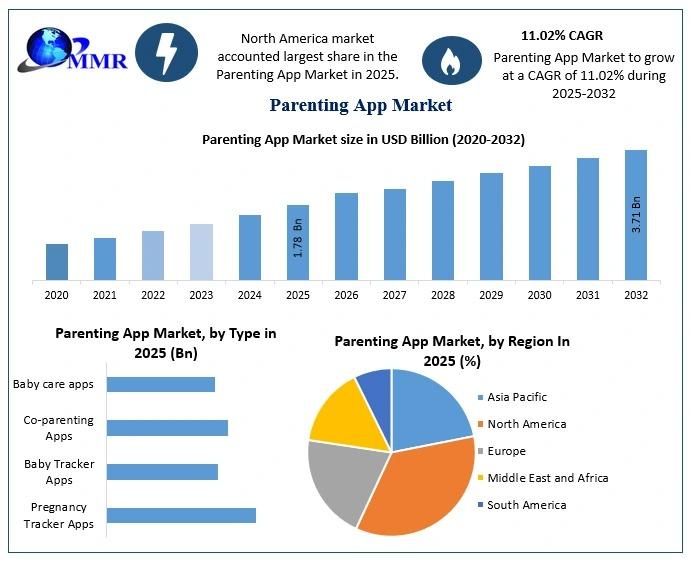
    The Parenting App Market is witnessing significant growth as parents increasingly adopt digital solutions to manage pregnancy, childcare, child development, health monitoring, and family activities. According to Maximize Market Research, the market was valued at USD 1.78 billion in 2025 and is projected to grow at a CAGR of 11.02% from 2026 to 2032, reaching approximately USD 3.71 billion by 2032. Increasing smartphone penetration, growing awareness of child health, demand for personalized parenting guidance, and rising concerns about children's digital safety are supporting market expansion.

    Market Estimation, Growth Drivers and Opportunities

    The Parenting App Market is experiencing strong demand as modern families increasingly depend on mobile applications for convenient and reliable parenting assistance. These applications provide pregnancy tracking, baby development monitoring, feeding schedules, sleep management, nutritional advice, health consultations, and educational resources.

    Increasing numbers of working parents and dual-income households are creating demand for applications that simplify childcare responsibilities. Smartphone accessibility and improvements in mobile technology are further encouraging adoption. Additionally, growing awareness of early childhood development and the importance of monitoring developmental milestones is supporting market growth.

    Artificial intelligence (AI), machine learning, and cloud-based technologies are creating new opportunities for application developers. AI-powered recommendations, personalized childcare guidance, automated reminders, and virtual consultations can improve user engagement. Integration of parental controls, location tracking, and screen-time management is also expanding the market's application areas.

    Request a Sample of the Full Market Report : https://www.maximizemarketresearch.com/request-sample/213688/

    United States Market Trends and Investment Outlook

    The United States represents an important market for parenting applications because of widespread smartphone adoption, growing digital awareness, and increasing demand for child safety solutions. During 2025, the market witnessed developments in AI-powered parenting assistance and parental control technologies. In February 2025, Riley, a parenting management application, raised USD 3.1 million in seed funding led by True Ventures to develop personalized, AI-powered parenting insights and baby activity tracking. Google also introduced improvements to Family Link in February 2025, including an updated interface, School time, and parent-managed contacts. In August 2025, Google expanded parental control options within Android settings, providing screen-time limits, downtime schedules, and content filtering. These developments demonstrate increasing investment and innovation in digital parenting solutions.

    Parenting App Market Growth Drivers, Revenue Forecast, and Industry Analysis – Report by MMR Parenting App Market to Reach USD 3.71 Billion by 2032, Driven by Rising Digital Parenting and Child Safety Awareness The Parenting App Market is witnessing significant growth as parents increasingly adopt digital solutions to manage pregnancy, childcare, child development, health monitoring, and family activities. According to Maximize Market Research, the market was valued at USD 1.78 billion in 2025 and is projected to grow at a CAGR of 11.02% from 2026 to 2032, reaching approximately USD 3.71 billion by 2032. Increasing smartphone penetration, growing awareness of child health, demand for personalized parenting guidance, and rising concerns about children's digital safety are supporting market expansion. Market Estimation, Growth Drivers and Opportunities The Parenting App Market is experiencing strong demand as modern families increasingly depend on mobile applications for convenient and reliable parenting assistance. These applications provide pregnancy tracking, baby development monitoring, feeding schedules, sleep management, nutritional advice, health consultations, and educational resources. Increasing numbers of working parents and dual-income households are creating demand for applications that simplify childcare responsibilities. Smartphone accessibility and improvements in mobile technology are further encouraging adoption. Additionally, growing awareness of early childhood development and the importance of monitoring developmental milestones is supporting market growth. Artificial intelligence (AI), machine learning, and cloud-based technologies are creating new opportunities for application developers. AI-powered recommendations, personalized childcare guidance, automated reminders, and virtual consultations can improve user engagement. Integration of parental controls, location tracking, and screen-time management is also expanding the market's application areas. Request a Sample of the Full Market Report : https://www.maximizemarketresearch.com/request-sample/213688/ United States Market Trends and Investment Outlook The United States represents an important market for parenting applications because of widespread smartphone adoption, growing digital awareness, and increasing demand for child safety solutions. During 2025, the market witnessed developments in AI-powered parenting assistance and parental control technologies. In February 2025, Riley, a parenting management application, raised USD 3.1 million in seed funding led by True Ventures to develop personalized, AI-powered parenting insights and baby activity tracking. Google also introduced improvements to Family Link in February 2025, including an updated interface, School time, and parent-managed contacts. In August 2025, Google expanded parental control options within Android settings, providing screen-time limits, downtime schedules, and content filtering. These developments demonstrate increasing investment and innovation in digital parenting solutions.
    0 Comments ·0 Shares ·395 Views
  • The Carbon Capture, Utilization, and Storage (CCUS) Market According to the latest research insights from Stellar Market Research, the global CCUS market is experiencing a paradigm shift, crossing critical valuation milestones as heavy industries accelerate decarbonization roadmaps to comply with stringent global emission frameworks.

    The global industrial landscape is undergoing a massive structural transformation, shifting from voluntary carbon-reduction pledges to mandatory, compliance-driven decarbonization. As international regulatory bodies enforce tighter carbon pricing mechanisms—such as the European Union’s Emissions Trading System (ETS) and Carbon Border Adjustment Mechanism (CBAM)—heavy-emitting sectors like power generation, cement, steel, and chemicals can no longer treat carbon management as an afterthought.

    Key Findings from the Report
    Valuation & Growth Trajectory: The global Carbon Capture, Utilization, and Storage Market is projected to exceed USD 25.3 Billion by 2033, registering a compound annual growth rate (CAGR) of 23.8% from the base year.

    Dominant Segment: The Capture service segment commands the largest market share, serving as the essential upstream entry point for all downstream utilization and permanent geologic storage workflows.

    High-Growth Industrial End-Use: The Chemicals & Petrochemicals sector stands out as a leading end-use vertical, propelled by inherent high-concentration CO2 byproduct streams and direct integration into existing petrochemical gas-separation infrastructure.

    Regional Powerhouse: North America retains the leading regional market share, heavily supported by robust federal tax credits (such as the expanded 45Q tax incentives) and well-established pipeline networks.

    Emerging Growth Epicenter: Europe is recognized as the fastest-growing regional market, catalyzed by the EU Green Deal, cross-border infrastructure projects (like Northern Lights), and rigorous carbon pricing enforcement.

    Technology Adoption Shifts: Membrane and advanced solvent-based absorption technologies are gaining rapid commercial preference over legacy systems due to lower operational footprints and superior energy efficiency.

    Investment Relevance: Venture capital and institutional investments in CCUS infrastructure projects have surged past multi-billion-dollar thresholds, attracting major energy majors and sovereign wealth funds.

    For further information, click the following link:https://www.stellarmr.com/report/req_sample/carbon-capture-utilization-storage-market/2817
    Market Drivers and Restraints
    Drivers
    Stringent Environmental Regulations and Carbon Pricing: Global implementation of rigorous carbon taxes, net-zero mandates, and emission caps compel corporations to adopt CCUS to evade heavy financial penalties.

    Lucrative Government Subsidies and Tax Credits: Generous fiscal frameworks—most notably the U.S. 45Q tax credit and European green industrial funding—significantly improve project internal rates of return (IRR).

    Corporate Net-Zero Commitments and ESG Pressures: Institutional investors and consumer markets increasingly demand verified Scope 1 and Scope 2 emission reductions, compelling heavy industries to scale up carbon capture adoption.

    Restraints
    Prohibitive Capital Expenditure (CapEx): High upfront costs associated with engineering, designing, and constructing industrial-scale capture facilities and dedicated pipeline grids can deter mid-sized market participants.

    Complex Regulatory and Permitting Bottlenecks: Lengthy approval processes for underground CO2 storage sites and cross-border transport rights frequently cause project development delays.

    Technology, Regulation, and Sustainability Trends
    The evolution of the CCUS ecosystem is fundamentally anchored in next-generation technology and regulatory convergence. Innovations in modular, scalable solid sorbents and direct air capture (DAC) systems are driving down per-ton capture costs. Simultaneously, regulatory frameworks are evolving past simple emissions reporting into liability frameworks for permanent carbon storage, ensuring long-term environmental integrity. From an ESG standpoint, integrating CCUS into heavy industrial clusters is now viewed as the ultimate corporate safeguard against stranded assets, ensuring regulatory compliance while opening doors to green-certified product premiumization.

    Regional Insights
    North America: Dominates the global landscape, underpinned by proactive federal policies, abundant enhanced oil recovery (EOR) infrastructure, and deep-pocketed energy conglomerates accelerating commercial-scale hubs in the U.S. Gulf Coast and Western Canada.

    Europe: Serves as the fastest-growing market, led by aggressive decarbonization targets in the UK, Norway, the Netherlands, and Germany. The rapid development of North Sea offshore storage formations and cross-border transport agreements is establishing Europe as a global benchmark for industrial carbon management.

    Asia-Pacific: Exhibits substantial long-term potential, led by emerging industrial hubs in India, China, and Japan, where expanding manufacturing bases are gradually implementing early-stage CCUS feasibility pilots and national carbon-trading frameworks.

    Recent Industry Developments
    ExxonMobil (2025): Expanded its low-carbon solutions portfolio by securing major industrial carbon capture and offtake agreements along the U.S. Gulf Coast, scaling regional sequestration capacity by over 5 million metric tons per annum.

    Linde plc (2025): Partnered with key clean-energy developers to engineer modular carbon capture units for chemical processing plants, reducing customer retrofitting downtime by 30%.

    Mitsubishi Heavy Industries, Ltd. (2026): Deployed its proprietary advanced KS-21 solvent technology at a commercial waste-to-energy facility in Europe, achieving record-high CO2 recovery rates exceeding 98%.

    Shell Plc (2025): Advanced construction milestones on the Northern Lights offshore CO2 transport and storage project in Norway, successfully securing cross-border industrial storage contracts across multiple European manufacturing sectors.

    Aker Solutions (2026): Secured a major engineering contract for a large-scale cement plant decarbonization project, utilizing standardized carbon capture modules to slash lifecycle operational costs.

    Competitive Landscape
    The global CCUS market features a highly competitive ecosystem populated by major oil and gas multinationals, industrial gas giants, specialized clean-tech engineering firms, and oilfield service providers. Key market leaders—including Exxon Mobil Corporation, Fluor Corporation, Linde plc, Shell Plc, Mitsubishi Heavy Industries, Ltd., Schlumberger Limited, Aker Solutions, and Honeywell International—are actively expanding their market presence through strategic joint ventures, cross-border infrastructure partnerships, and aggressive intellectual property acquisitions. Competitors are heavily focusing on modular scalability and end-to-end service integration, offering turnkey solutions from point-source capture to secure underground storage.

    Analyst Commentary
    "The carbon capture, utilization, and storage market has decisively transitioned from experimental pilot testing to a multi-billion-dollar commercial asset class," said a Senior Research Analyst at Stellar Market Research. "As regulatory compliance costs rise and green premiums take hold, industrial players can no longer view decarbonization as a compliance cost center. The companies successfully navigating the next decade will be those that treat captured carbon not as waste, but as a strategic feedstock and a core pillar of sustainable industrial profitability."

    Future Outlook
    Through the forecast period, the CCUS market is poised for exponential expansion. Driven by declining technology costs, expanding shared pipeline networks, and tightening global emissions caps, adoption is expected to branch out from oil, gas, and chemicals into hard-to-abate sectors like maritime shipping, cement, and primary steelmaking. Public-private partnerships will remain instrumental in de-risking early-stage megaprojects, ultimately embedding CCUS as an indispensable structural pillar of the global low-carbon economy.

    For further information, click the following link:https://www.stellarmr.com/report/req_sample/carbon-capture-utilization-storage-market/2817
    About Stellar Market Research
    Stellar Market Research is a multifaceted market research and consulting company with professionals from several industries. Some of the industries we cover include medical devices, pharmaceutical manufacturers, science and engineering, electronic components, industrial equipment, technology and communication, cars and automobiles, chemical products and substances, general merchandise, beverages, personal care, and automated systems. To mention a few, we provide market-verified industry estimations, technical trend analysis, crucial market research, strategic advice, competition analysis, production and demand analysis, and client impact studies.

    Address
    Phase 3, Navale IT Zone, S.No. 51/2A/2, Office No. 202, 2nd floor, Near, Navale Brg, Narhe, Pune, Maharashtra 411041

    Email
    [email protected]

    Mobile
    +91 9607365656

    The Carbon Capture, Utilization, and Storage (CCUS) Market According to the latest research insights from Stellar Market Research, the global CCUS market is experiencing a paradigm shift, crossing critical valuation milestones as heavy industries accelerate decarbonization roadmaps to comply with stringent global emission frameworks. The global industrial landscape is undergoing a massive structural transformation, shifting from voluntary carbon-reduction pledges to mandatory, compliance-driven decarbonization. As international regulatory bodies enforce tighter carbon pricing mechanisms—such as the European Union’s Emissions Trading System (ETS) and Carbon Border Adjustment Mechanism (CBAM)—heavy-emitting sectors like power generation, cement, steel, and chemicals can no longer treat carbon management as an afterthought. Key Findings from the Report Valuation & Growth Trajectory: The global Carbon Capture, Utilization, and Storage Market is projected to exceed USD 25.3 Billion by 2033, registering a compound annual growth rate (CAGR) of 23.8% from the base year. Dominant Segment: The Capture service segment commands the largest market share, serving as the essential upstream entry point for all downstream utilization and permanent geologic storage workflows. High-Growth Industrial End-Use: The Chemicals & Petrochemicals sector stands out as a leading end-use vertical, propelled by inherent high-concentration CO2 byproduct streams and direct integration into existing petrochemical gas-separation infrastructure. Regional Powerhouse: North America retains the leading regional market share, heavily supported by robust federal tax credits (such as the expanded 45Q tax incentives) and well-established pipeline networks. Emerging Growth Epicenter: Europe is recognized as the fastest-growing regional market, catalyzed by the EU Green Deal, cross-border infrastructure projects (like Northern Lights), and rigorous carbon pricing enforcement. Technology Adoption Shifts: Membrane and advanced solvent-based absorption technologies are gaining rapid commercial preference over legacy systems due to lower operational footprints and superior energy efficiency. Investment Relevance: Venture capital and institutional investments in CCUS infrastructure projects have surged past multi-billion-dollar thresholds, attracting major energy majors and sovereign wealth funds. For further information, click the following link:https://www.stellarmr.com/report/req_sample/carbon-capture-utilization-storage-market/2817 Market Drivers and Restraints Drivers Stringent Environmental Regulations and Carbon Pricing: Global implementation of rigorous carbon taxes, net-zero mandates, and emission caps compel corporations to adopt CCUS to evade heavy financial penalties. Lucrative Government Subsidies and Tax Credits: Generous fiscal frameworks—most notably the U.S. 45Q tax credit and European green industrial funding—significantly improve project internal rates of return (IRR). Corporate Net-Zero Commitments and ESG Pressures: Institutional investors and consumer markets increasingly demand verified Scope 1 and Scope 2 emission reductions, compelling heavy industries to scale up carbon capture adoption. Restraints Prohibitive Capital Expenditure (CapEx): High upfront costs associated with engineering, designing, and constructing industrial-scale capture facilities and dedicated pipeline grids can deter mid-sized market participants. Complex Regulatory and Permitting Bottlenecks: Lengthy approval processes for underground CO2 storage sites and cross-border transport rights frequently cause project development delays. Technology, Regulation, and Sustainability Trends The evolution of the CCUS ecosystem is fundamentally anchored in next-generation technology and regulatory convergence. Innovations in modular, scalable solid sorbents and direct air capture (DAC) systems are driving down per-ton capture costs. Simultaneously, regulatory frameworks are evolving past simple emissions reporting into liability frameworks for permanent carbon storage, ensuring long-term environmental integrity. From an ESG standpoint, integrating CCUS into heavy industrial clusters is now viewed as the ultimate corporate safeguard against stranded assets, ensuring regulatory compliance while opening doors to green-certified product premiumization. Regional Insights North America: Dominates the global landscape, underpinned by proactive federal policies, abundant enhanced oil recovery (EOR) infrastructure, and deep-pocketed energy conglomerates accelerating commercial-scale hubs in the U.S. Gulf Coast and Western Canada. Europe: Serves as the fastest-growing market, led by aggressive decarbonization targets in the UK, Norway, the Netherlands, and Germany. The rapid development of North Sea offshore storage formations and cross-border transport agreements is establishing Europe as a global benchmark for industrial carbon management. Asia-Pacific: Exhibits substantial long-term potential, led by emerging industrial hubs in India, China, and Japan, where expanding manufacturing bases are gradually implementing early-stage CCUS feasibility pilots and national carbon-trading frameworks. Recent Industry Developments ExxonMobil (2025): Expanded its low-carbon solutions portfolio by securing major industrial carbon capture and offtake agreements along the U.S. Gulf Coast, scaling regional sequestration capacity by over 5 million metric tons per annum. Linde plc (2025): Partnered with key clean-energy developers to engineer modular carbon capture units for chemical processing plants, reducing customer retrofitting downtime by 30%. Mitsubishi Heavy Industries, Ltd. (2026): Deployed its proprietary advanced KS-21 solvent technology at a commercial waste-to-energy facility in Europe, achieving record-high CO2 recovery rates exceeding 98%. Shell Plc (2025): Advanced construction milestones on the Northern Lights offshore CO2 transport and storage project in Norway, successfully securing cross-border industrial storage contracts across multiple European manufacturing sectors. Aker Solutions (2026): Secured a major engineering contract for a large-scale cement plant decarbonization project, utilizing standardized carbon capture modules to slash lifecycle operational costs. Competitive Landscape The global CCUS market features a highly competitive ecosystem populated by major oil and gas multinationals, industrial gas giants, specialized clean-tech engineering firms, and oilfield service providers. Key market leaders—including Exxon Mobil Corporation, Fluor Corporation, Linde plc, Shell Plc, Mitsubishi Heavy Industries, Ltd., Schlumberger Limited, Aker Solutions, and Honeywell International—are actively expanding their market presence through strategic joint ventures, cross-border infrastructure partnerships, and aggressive intellectual property acquisitions. Competitors are heavily focusing on modular scalability and end-to-end service integration, offering turnkey solutions from point-source capture to secure underground storage. Analyst Commentary "The carbon capture, utilization, and storage market has decisively transitioned from experimental pilot testing to a multi-billion-dollar commercial asset class," said a Senior Research Analyst at Stellar Market Research. "As regulatory compliance costs rise and green premiums take hold, industrial players can no longer view decarbonization as a compliance cost center. The companies successfully navigating the next decade will be those that treat captured carbon not as waste, but as a strategic feedstock and a core pillar of sustainable industrial profitability." Future Outlook Through the forecast period, the CCUS market is poised for exponential expansion. Driven by declining technology costs, expanding shared pipeline networks, and tightening global emissions caps, adoption is expected to branch out from oil, gas, and chemicals into hard-to-abate sectors like maritime shipping, cement, and primary steelmaking. Public-private partnerships will remain instrumental in de-risking early-stage megaprojects, ultimately embedding CCUS as an indispensable structural pillar of the global low-carbon economy. For further information, click the following link:https://www.stellarmr.com/report/req_sample/carbon-capture-utilization-storage-market/2817 About Stellar Market Research Stellar Market Research is a multifaceted market research and consulting company with professionals from several industries. Some of the industries we cover include medical devices, pharmaceutical manufacturers, science and engineering, electronic components, industrial equipment, technology and communication, cars and automobiles, chemical products and substances, general merchandise, beverages, personal care, and automated systems. To mention a few, we provide market-verified industry estimations, technical trend analysis, crucial market research, strategic advice, competition analysis, production and demand analysis, and client impact studies. Address Phase 3, Navale IT Zone, S.No. 51/2A/2, Office No. 202, 2nd floor, Near, Navale Brg, Narhe, Pune, Maharashtra 411041 Email [email protected] Mobile +91 9607365656
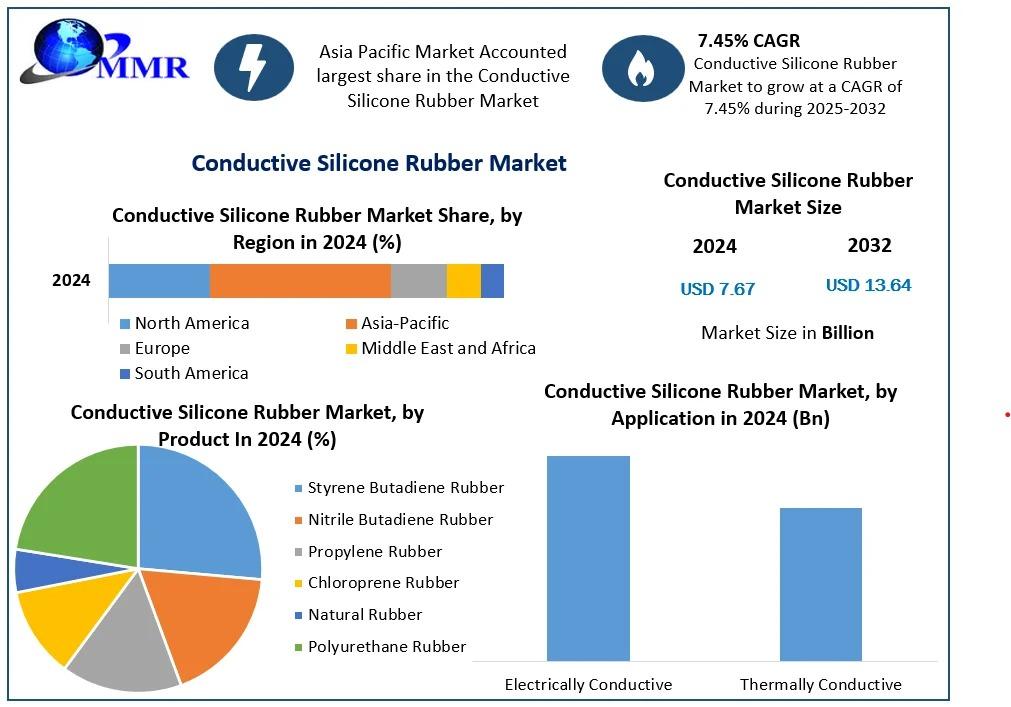
    0 Comments ·0 Shares ·187 Views
  • Commercial Satellite Launch Service Market Research and Industry Insights – Report by MMR

    Commercial Satellite Launch Service Market Overview

    The Commercial Satellite Launch Service Market report provides an in-depth analysis that is required to make informed industry decisions and develop strategic growth plans. Regardless of the production method or cost structures, the Commercial Satellite Launch Service market report provides a comprehensive understanding of advanced tactics and strategies.

    The Commercial Satellite Launch Service Market size was valued at USD 7.84 Bn in 2025 and the total Commercial Satellite Launch Service revenue is expected to grow at a CAGR of 5.67% from 2026 to 2034, reaching nearly USD 12.89 Bn.

    Please connect with our representative, who will ensure you to get a report sample here @https://www.maximizemarketresearch.com/request-sample/11777/

    Commercial Satellite Launch Service Market Report Scope and Research Methodology

    The report offers an extensive examination of top players' strategies within the Commercial Satellite Launch Service industry, coupled with an in-depth analysis of market segments and regional dynamics. In-depth insights into market dynamics, encompassing drivers, restraints, opportunities, and challenges, are provided both on a regional and segmental basis within the Commercial Satellite Launch Service Market report. Additionally, the report presents import/export consumption, supply and demand, pricing, costs, revenue, and gross margins data, serving as an invaluable guide for investors.

    The data for the Commercial Satellite Launch Service Market report was meticulously gathered through a combination of primary and secondary research methods, ensuring its authenticity. Primary research methods employed encompassed questionnaire distribution, surveys, and telephone interviews with Commercial Satellite Launch Service industry experts, market leaders, marketing professionals, and entrepreneurs. The report's estimates of global and regional Commercial Satellite Launch Service market size were derived using a bottom-up approach. Furthermore, the strengths and weaknesses of Commercial Satellite Launch Service key players within the industry are outlined using SWOT analysis.

    Commercial Satellite Launch Service Market Regional Insights

    The report delves into the Commercial Satellite Launch Service business in great depth, segmenting it into numerous locations. North America, South America, Europe, Asia Pacific (APAC), Africa, and the Middle East are evaluated by region and country in the study. In the Commercial Satellite Launch Service market report, regional markets are thoroughly investigated in order to uncover regional market trends, restrictions, and possible prospects.

    Commercial Satellite Launch Service Market Segmentation

    by Launch Services

    Pre-launch Service
    Post-launch operations Service

    by Satellite Type

    Small Satellites (Mini, Micro, Nano, Pico)
    Medium Satellites
    Large Satellites

    by Orbit Type

    Low Earth Orbit (LEO)
    Medium Earth Orbit (MEO)
    Geostationary Orbit (GEO)
    Sun-Synchronous Orbit (SSO)

    by End-User

    Commercial
    Government & Defense
    Civil
    Others

    Request Free Sample Copy:https://www.maximizemarketresearch.com/request-sample/11777/

    Commercial Satellite Launch Service Market Key Players

    1. SpaceX (Space Exploration Technologies Corp.)
    2. Arianespace
    3. Blue Origin
    4. United Launch Alliance (ULA)
    5. Rocket Lab
    6. Northrop Grumman
    7. China National Space Administration (CNSA)
    8. Roscosmos (Russian Federal Space Agency)
    9. Indian Space Research Organisation (ISRO)
    10. Virgin Orbit
    11. Mitsubishi Heavy Industries
    12. OneWeb
    13. SSL (Space Systems Loral)
    14. Sierra Nevada Corporation (SNC)
    15. ISRO Propulsion Complex (IPRC)
    16. Northrop Grumman Innovation Systems (formerly Orbital ATK)
    17. .Gilmour Space Technologies
    18. Relativity Space
    19. AST & Science
    20. ExPace Technology Corporation

    Key Offerings:

    A detailed market overview
    Market Share, Size & Forecast by Revenue | 2026−2034
    Market Dynamics – Growth Drivers, Restraints, Investment Opportunities, and Key Trends
    Market Segmentation – A detailed analysis by segments and sub-segments
    Regional Insights
    Competitive Landscape – Top Key Vendors and Other Prominent Vendors
    More Trending From MMR:

    Global Waterbased Adhesive Market https://www.maximizemarketresearch.com/market-report/global-water-based-adhesive-market/25151/
    Halide Minerals Market https://www.maximizemarketresearch.com/market-report/halide-minerals-market/214740/
    Global Diphenylmethane Diisocyanate Market https://www.maximizemarketresearch.com/market-report/global-diphenylmethane-diisocyanate-market/113843/

    About Maximize Market Research:

    Maximize Market Research is a multifaceted market research and consulting company with professionals from several industries. Some of the industries we cover include medical devices, pharmaceutical manufacturers, science and engineering, electronic components, industrial equipment, technology and communication, cars and automobiles, chemical products and substances, general merchandise, beverages, personal care, and automated systems. To mention a few, we provide market-verified industry estimations, technical trend analysis, crucial market research, strategic advice, competition analysis, production and demand analysis, and client impact studies.

    Contact Maximize Market Research:

    3rd Floor, Naval IT Park, Phase 2

    Pune Banglore Highway, Narhe

    Pune, Maharashtra 411041, India

    [email protected]

    +91 96071 95908, +91 9607365656
    Commercial Satellite Launch Service Market Research and Industry Insights – Report by MMR Commercial Satellite Launch Service Market Overview The Commercial Satellite Launch Service Market report provides an in-depth analysis that is required to make informed industry decisions and develop strategic growth plans. Regardless of the production method or cost structures, the Commercial Satellite Launch Service market report provides a comprehensive understanding of advanced tactics and strategies. The Commercial Satellite Launch Service Market size was valued at USD 7.84 Bn in 2025 and the total Commercial Satellite Launch Service revenue is expected to grow at a CAGR of 5.67% from 2026 to 2034, reaching nearly USD 12.89 Bn. Please connect with our representative, who will ensure you to get a report sample here @https://www.maximizemarketresearch.com/request-sample/11777/ Commercial Satellite Launch Service Market Report Scope and Research Methodology The report offers an extensive examination of top players' strategies within the Commercial Satellite Launch Service industry, coupled with an in-depth analysis of market segments and regional dynamics. In-depth insights into market dynamics, encompassing drivers, restraints, opportunities, and challenges, are provided both on a regional and segmental basis within the Commercial Satellite Launch Service Market report. Additionally, the report presents import/export consumption, supply and demand, pricing, costs, revenue, and gross margins data, serving as an invaluable guide for investors. The data for the Commercial Satellite Launch Service Market report was meticulously gathered through a combination of primary and secondary research methods, ensuring its authenticity. Primary research methods employed encompassed questionnaire distribution, surveys, and telephone interviews with Commercial Satellite Launch Service industry experts, market leaders, marketing professionals, and entrepreneurs. The report's estimates of global and regional Commercial Satellite Launch Service market size were derived using a bottom-up approach. Furthermore, the strengths and weaknesses of Commercial Satellite Launch Service key players within the industry are outlined using SWOT analysis. Commercial Satellite Launch Service Market Regional Insights The report delves into the Commercial Satellite Launch Service business in great depth, segmenting it into numerous locations. North America, South America, Europe, Asia Pacific (APAC), Africa, and the Middle East are evaluated by region and country in the study. In the Commercial Satellite Launch Service market report, regional markets are thoroughly investigated in order to uncover regional market trends, restrictions, and possible prospects. Commercial Satellite Launch Service Market Segmentation by Launch Services Pre-launch Service Post-launch operations Service by Satellite Type Small Satellites (Mini, Micro, Nano, Pico) Medium Satellites Large Satellites by Orbit Type Low Earth Orbit (LEO) Medium Earth Orbit (MEO) Geostationary Orbit (GEO) Sun-Synchronous Orbit (SSO) by End-User Commercial Government & Defense Civil Others Request Free Sample Copy:https://www.maximizemarketresearch.com/request-sample/11777/ Commercial Satellite Launch Service Market Key Players 1. SpaceX (Space Exploration Technologies Corp.) 2. Arianespace 3. Blue Origin 4. United Launch Alliance (ULA) 5. Rocket Lab 6. Northrop Grumman 7. China National Space Administration (CNSA) 8. Roscosmos (Russian Federal Space Agency) 9. Indian Space Research Organisation (ISRO) 10. Virgin Orbit 11. Mitsubishi Heavy Industries 12. OneWeb 13. SSL (Space Systems Loral) 14. Sierra Nevada Corporation (SNC) 15. ISRO Propulsion Complex (IPRC) 16. Northrop Grumman Innovation Systems (formerly Orbital ATK) 17. .Gilmour Space Technologies 18. Relativity Space 19. AST & Science 20. ExPace Technology Corporation Key Offerings: A detailed market overview Market Share, Size & Forecast by Revenue | 2026−2034 Market Dynamics – Growth Drivers, Restraints, Investment Opportunities, and Key Trends Market Segmentation – A detailed analysis by segments and sub-segments Regional Insights Competitive Landscape – Top Key Vendors and Other Prominent Vendors More Trending From MMR: Global Waterbased Adhesive Market https://www.maximizemarketresearch.com/market-report/global-water-based-adhesive-market/25151/ Halide Minerals Market https://www.maximizemarketresearch.com/market-report/halide-minerals-market/214740/ Global Diphenylmethane Diisocyanate Market https://www.maximizemarketresearch.com/market-report/global-diphenylmethane-diisocyanate-market/113843/ About Maximize Market Research: Maximize Market Research is a multifaceted market research and consulting company with professionals from several industries. Some of the industries we cover include medical devices, pharmaceutical manufacturers, science and engineering, electronic components, industrial equipment, technology and communication, cars and automobiles, chemical products and substances, general merchandise, beverages, personal care, and automated systems. To mention a few, we provide market-verified industry estimations, technical trend analysis, crucial market research, strategic advice, competition analysis, production and demand analysis, and client impact studies. Contact Maximize Market Research: 3rd Floor, Naval IT Park, Phase 2 Pune Banglore Highway, Narhe Pune, Maharashtra 411041, India [email protected] +91 96071 95908, +91 9607365656
    0 Comments ·0 Shares ·160 Views
More Results