• Ancestry Test Kit: Discover Your Family Roots With Accuracy

    Your DNA holds a story about your family’s past. An ancestry DNA test helps you explore your roots, learn about your ethnic background, and discover more about your family history.

    If you want to understand where your ancestors came from, DDC Laboratories India offers specialized DNA ancestry test kits using advanced testing technology. Get valuable insights into your genetic heritage and take a step closer to understanding your family’s journey across generations.

    For bookings or queries, call us at: +91 8010177771
    WhatsApp: +91 9266615552

    For more details, read our blog.

    #DNAAncestry #AncestryTestKit #GeneticTesting #DNATestIndia #DiscoverYourRoots #FamilyHeritage
    Ancestry Test Kit: Discover Your Family Roots With Accuracy Your DNA holds a story about your family’s past. An ancestry DNA test helps you explore your roots, learn about your ethnic background, and discover more about your family history. If you want to understand where your ancestors came from, DDC Laboratories India offers specialized DNA ancestry test kits using advanced testing technology. Get valuable insights into your genetic heritage and take a step closer to understanding your family’s journey across generations. For bookings or queries, call us at: +91 8010177771 WhatsApp: +91 9266615552 For more details, read our blog. #DNAAncestry #AncestryTestKit #GeneticTesting #DNATestIndia #DiscoverYourRoots #FamilyHeritage
    Ancestry Test Kit: Discover Your Family Roots With Accuracy
    dancenterindia.blogspot.com
    Many families know their family history only from what their grandparents told them. However, such stories shared by grandparents often f...
    0 Comments ·0 Shares ·117 Views
  • The Agrivoltaics Market is entering a commercial inflection point, according to Stellar Market Research, as farmland scarcity, grid congestion, and climate volatility push utilities and growers to co-locate solar generation with active agriculture. Valued at USD 5.78 billion in 2025, the market is projected to reach USD 23.1 billion by 2032, expanding at a 21.89% compound annual growth rate (CAGR) over the 2025–2032 forecast period.

    Land competition between utility-scale solar and food production has long stalled rural renewable expansion. Agrivoltaics resolves that friction by turning single-purpose acreage into dual-output infrastructure that generates electricity while buffering crops against extreme heat and water stress.

    Key Findings from the Report
    Market Valuation & Growth: The global market grows from USD 5.78 billion in 2025 to USD 23.1 billion by 2032 at a 21.89% CAGR.

    Dominant Technology Segment: Bifacial solar modules lead technology adoption because rear-side light capture boosts energy output over bright or reflective ground surfaces in elevated arrays.

    Fastest-Growing Technology: Translucent and semi-transparent photovoltaic modules are scaling rapidly in greenhouses and controlled-environment agriculture.

    Application Share vs. Velocity: Grassland and pasture farming hold the largest revenue share due to simpler clearance and livestock compatibility, while horticulture and arable crops represent the fastest-growing application verticals.

    Regional Leadership: Europe and Asia-Pacific anchor demand through rural feed-in tariffs, feeder solarization programs, and dual-use land rules.

    Demand & Investment Indicators: Rising farm electricity costs, heat-stressed specialty crops, and carbon-credit stacking are driving joint ventures between solar developers and agricultural cooperatives.

    For further information, click the following link:https://www.stellarmr.com/report/req_sample/agrivoltaics-market/2915

    Market Drivers and Restraints
    Key Drivers
    Climate Resilience and Water Conservation: Canopy shading lowers soil temperatures and slows moisture evaporation, protecting heat-sensitive crops during droughts and heatwaves.

    Dual Revenue Streams for Farms: Power sales and land-lease income stabilize farm revenue against volatile agricultural commodity prices.

    Policy Incentives and Tariffs: Government solarization schemes, feed-in tariff premiums, and priority grid interconnection lower project risk and support capital deployment.

    Key Restraints
    Higher Upfront Capital Expenditure: Elevated racking, custom tracker geometry, and civil engineering raise initial capital costs compared with standard ground-mount solar.

    Farm Machinery and Field Operations: Support poles and row spacing can constrain wide harvesters, sprayers, and tillage equipment without tailored farm workflows.

    Technology, Regulation, and Sustainability Trends
    Operators are pairing smart solar trackers with automated dry-brush cleaning to manage dust with for underlying crops. Across Europe and Asia, regulators increasingly tie tariff bonuses and land-use approvals to verified farming output—such as preserving at least 80% of baseline crop yields.

    Sustainability accounting is also evolving as developers track soil organic carbon enrichment, water savings, and biodiversity gains. Projects that document both clean power and agronomic performance are better positioned to attract green financing and corporate sustainability buyers.

    Regional Insights
    Europe and Asia-Pacific lead global adoption, while North America, South America, and the Middle East and Africa represent high-potential expansion markets.

    Asia-Pacific: China, India, Japan, and South Korea drive scale through rural electrification, feeder-level solarization under programs such as India's PM-KUSUM, and dual-use land policies that pair farm income support with grid expansion.

    Europe: Germany, France, Italy, and Spain lead commercial deployments through dedicated agrivoltaic auctions, statutory agronomy verification rules, and orchard or vineyard retrofits.

    Emerging Regions (North America, Latin America, Middle East & Africa): North America and Latin America are expanding commercial pilots and net-metering pathways despite local permitting hurdles, while arid Middle Eastern markets evaluate water-saving solar farming for future scale-up.

    Recent Industry Developments
    European Energy (2026): Secured roughly USD 274 million in project financing for the 225 MW Vizzini agrivoltaic project in Sicily, Italy, pairing solar generation with sheep grazing, reforestation, and biodiversity measures.

    Blue Elephant Energy (2026): Reached financial close on three tracker-mounted agrivoltaic parks in Germany totaling nearly 96 MWp, with construction underway ahead of planned Q3 2027 commissioning.

    Next2Sun (2026): Inaugurated the Portogruaro agrivoltaics park in Italy to advance vertical bifacial deployment across European farmland, even as capital-market tight spots tested project financing.

    TSE (2026): Commissioned a 2.9 MWp agrivoltaic installation at Saint-Palais-de-Phiolin in France after field monitoring at Verdonnet showed a 35% drop in average potential evapotranspiration and an 18% yield gain in 2025.

    Government of India (2026): Advanced agrivoltaics priorities under the PM-KUSUM framework and national clean-energy forums to boost farmer income diversification alongside rural solarization.

    Competitive Landscape
    Competition spans vertically integrated developers, solar tracker suppliers, and specialized agrivoltaic engineering firms. Market leaders including Enel Green Power, BayWa r.e., Sun'Agri, Next2Sun, and IDEEMATEC are differentiating through dynamic canopy algorithms, vertical bifacial arrays, utility-scale tracker platforms, and long-term operations and maintenance agreements.

    Across the sector, winners are moving beyond hardware supply to prove repeatable crop-yield compatibility. Partnerships between renewable developers, farm cooperatives, and agricultural researchers are becoming central to winning permits and securing bankable power agreements.

    Analyst Commentary
    "Agrivoltaics is moving from niche demonstration plots to disciplined infrastructure as policymakers demand proof that clean power and productive farming coexist," said a Senior Research Analyst at Stellar Market Research. "Capital will favor developers who engineer systems around crop physiology and field logistics from day one, rather than retrofitting standard solar layouts onto farmland."

    Future Outlook
    Through 2032, agrivoltaics demand is set to broaden from pasture and early-adopter orchards into higher-value horticulture, specialty crops, and automated farm operations. Falling component costs, standardized dual-use designs, and tighter agronomic compliance will separate capital-disciplined developers from speculative entrants. As grids absorb more solar capacity and extreme weather strains agricultural yields, dual-use solar farms will play a growing role in regional energy and food security.

    For further information, click the following link:https://www.stellarmr.com/report/req_sample/agrivoltaics-market/2915
    About Stellar Market Research
    Stellar Market Research is a multifaceted market research and consulting company with professionals from several industries. Some of the industries we cover include medical devices, pharmaceutical manufacturers, science and engineering, electronic components, industrial equipment, technology and communication, cars and automobiles, chemical products and substances, general merchandise, beverages, personal care, and automated systems. To mention a few, we provide market-verified industry estimations, technical trend analysis, crucial market research, strategic advice, competition analysis, production and demand analysis, and client impact studies.

    Address
    Phase 3, Navale IT Zone, S.No. 51/2A/2, Office No. 202, 2nd floor, Near, Navale Brg, Narhe, Pune, Maharashtra 411041

    Email
    [email protected]

    Mobile
    +91 9607365656

    The Agrivoltaics Market is entering a commercial inflection point, according to Stellar Market Research, as farmland scarcity, grid congestion, and climate volatility push utilities and growers to co-locate solar generation with active agriculture. Valued at USD 5.78 billion in 2025, the market is projected to reach USD 23.1 billion by 2032, expanding at a 21.89% compound annual growth rate (CAGR) over the 2025–2032 forecast period. Land competition between utility-scale solar and food production has long stalled rural renewable expansion. Agrivoltaics resolves that friction by turning single-purpose acreage into dual-output infrastructure that generates electricity while buffering crops against extreme heat and water stress. Key Findings from the Report Market Valuation & Growth: The global market grows from USD 5.78 billion in 2025 to USD 23.1 billion by 2032 at a 21.89% CAGR. Dominant Technology Segment: Bifacial solar modules lead technology adoption because rear-side light capture boosts energy output over bright or reflective ground surfaces in elevated arrays. Fastest-Growing Technology: Translucent and semi-transparent photovoltaic modules are scaling rapidly in greenhouses and controlled-environment agriculture. Application Share vs. Velocity: Grassland and pasture farming hold the largest revenue share due to simpler clearance and livestock compatibility, while horticulture and arable crops represent the fastest-growing application verticals. Regional Leadership: Europe and Asia-Pacific anchor demand through rural feed-in tariffs, feeder solarization programs, and dual-use land rules. Demand & Investment Indicators: Rising farm electricity costs, heat-stressed specialty crops, and carbon-credit stacking are driving joint ventures between solar developers and agricultural cooperatives. For further information, click the following link:https://www.stellarmr.com/report/req_sample/agrivoltaics-market/2915 Market Drivers and Restraints Key Drivers Climate Resilience and Water Conservation: Canopy shading lowers soil temperatures and slows moisture evaporation, protecting heat-sensitive crops during droughts and heatwaves. Dual Revenue Streams for Farms: Power sales and land-lease income stabilize farm revenue against volatile agricultural commodity prices. Policy Incentives and Tariffs: Government solarization schemes, feed-in tariff premiums, and priority grid interconnection lower project risk and support capital deployment. Key Restraints Higher Upfront Capital Expenditure: Elevated racking, custom tracker geometry, and civil engineering raise initial capital costs compared with standard ground-mount solar. Farm Machinery and Field Operations: Support poles and row spacing can constrain wide harvesters, sprayers, and tillage equipment without tailored farm workflows. Technology, Regulation, and Sustainability Trends Operators are pairing smart solar trackers with automated dry-brush cleaning to manage dust with for underlying crops. Across Europe and Asia, regulators increasingly tie tariff bonuses and land-use approvals to verified farming output—such as preserving at least 80% of baseline crop yields. Sustainability accounting is also evolving as developers track soil organic carbon enrichment, water savings, and biodiversity gains. Projects that document both clean power and agronomic performance are better positioned to attract green financing and corporate sustainability buyers. Regional Insights Europe and Asia-Pacific lead global adoption, while North America, South America, and the Middle East and Africa represent high-potential expansion markets. Asia-Pacific: China, India, Japan, and South Korea drive scale through rural electrification, feeder-level solarization under programs such as India's PM-KUSUM, and dual-use land policies that pair farm income support with grid expansion. Europe: Germany, France, Italy, and Spain lead commercial deployments through dedicated agrivoltaic auctions, statutory agronomy verification rules, and orchard or vineyard retrofits. Emerging Regions (North America, Latin America, Middle East & Africa): North America and Latin America are expanding commercial pilots and net-metering pathways despite local permitting hurdles, while arid Middle Eastern markets evaluate water-saving solar farming for future scale-up. Recent Industry Developments European Energy (2026): Secured roughly USD 274 million in project financing for the 225 MW Vizzini agrivoltaic project in Sicily, Italy, pairing solar generation with sheep grazing, reforestation, and biodiversity measures. Blue Elephant Energy (2026): Reached financial close on three tracker-mounted agrivoltaic parks in Germany totaling nearly 96 MWp, with construction underway ahead of planned Q3 2027 commissioning. Next2Sun (2026): Inaugurated the Portogruaro agrivoltaics park in Italy to advance vertical bifacial deployment across European farmland, even as capital-market tight spots tested project financing. TSE (2026): Commissioned a 2.9 MWp agrivoltaic installation at Saint-Palais-de-Phiolin in France after field monitoring at Verdonnet showed a 35% drop in average potential evapotranspiration and an 18% yield gain in 2025. Government of India (2026): Advanced agrivoltaics priorities under the PM-KUSUM framework and national clean-energy forums to boost farmer income diversification alongside rural solarization. Competitive Landscape Competition spans vertically integrated developers, solar tracker suppliers, and specialized agrivoltaic engineering firms. Market leaders including Enel Green Power, BayWa r.e., Sun'Agri, Next2Sun, and IDEEMATEC are differentiating through dynamic canopy algorithms, vertical bifacial arrays, utility-scale tracker platforms, and long-term operations and maintenance agreements. Across the sector, winners are moving beyond hardware supply to prove repeatable crop-yield compatibility. Partnerships between renewable developers, farm cooperatives, and agricultural researchers are becoming central to winning permits and securing bankable power agreements. Analyst Commentary "Agrivoltaics is moving from niche demonstration plots to disciplined infrastructure as policymakers demand proof that clean power and productive farming coexist," said a Senior Research Analyst at Stellar Market Research. "Capital will favor developers who engineer systems around crop physiology and field logistics from day one, rather than retrofitting standard solar layouts onto farmland." Future Outlook Through 2032, agrivoltaics demand is set to broaden from pasture and early-adopter orchards into higher-value horticulture, specialty crops, and automated farm operations. Falling component costs, standardized dual-use designs, and tighter agronomic compliance will separate capital-disciplined developers from speculative entrants. As grids absorb more solar capacity and extreme weather strains agricultural yields, dual-use solar farms will play a growing role in regional energy and food security. For further information, click the following link:https://www.stellarmr.com/report/req_sample/agrivoltaics-market/2915 About Stellar Market Research Stellar Market Research is a multifaceted market research and consulting company with professionals from several industries. Some of the industries we cover include medical devices, pharmaceutical manufacturers, science and engineering, electronic components, industrial equipment, technology and communication, cars and automobiles, chemical products and substances, general merchandise, beverages, personal care, and automated systems. To mention a few, we provide market-verified industry estimations, technical trend analysis, crucial market research, strategic advice, competition analysis, production and demand analysis, and client impact studies. Address Phase 3, Navale IT Zone, S.No. 51/2A/2, Office No. 202, 2nd floor, Near, Navale Brg, Narhe, Pune, Maharashtra 411041 Email [email protected] Mobile +91 9607365656

    0 Comments ·0 Shares ·364 Views
  • Car Recycle Market Size, Share and Forecast to 2034 | Report by MMR

    Car Recycle Market Report Overview

    The forecasting process primarily hinges on the analysis of historical data alongside current trends in the Car Recycle Market. This comprehensive data collection employs a blend of primary and secondary research methodologies. The report encompasses vital components such as market size, share, regional analysis, dynamics, CAGR, and future trends. This holistic approach renders the report an invaluable guide for investors, as it offers an insightful and forward-looking perspective on the Car Recycle industry.

    Car Recycle Market Projection:

    The Car Recycle Market size was valued at USD 113.72 Billion in 2025 and the total Car Recycle revenue is expected to grow at a CAGR of 14.1% from 2026 to 2034, reaching nearly USD 372.75 Billion.

    Please connect with our representative, who will ensure you to get a report sample here @https://www.maximizemarketresearch.com/request-sample/52805/

    Car Recycle Market Report Scope and Research Methodology

    The report presents historical data and forecasts on a global, regional, and country level, delivering an in-depth examination of Car Recycle market trends within each segment and their respective sub-segments . Maximize Market Research employs data triangulation as the primary research methodology, encompassing an evaluation of how data variables impact the Car Recycle market, data mining, and validation via primary sources such as industry experts.

    The analysis of complex Car Recycle industry data has been presented in straightforward language within the research report. SWOT analysis was leveraged to outline the strengths, weaknesses, opportunities, and threats for key players in the industry. To estimate the market size, a bottom-up approach was employed.

    Car Recycle Market Regional Analysis

    The report provides a detailed analysis of the Car Recycle market dynamics, Government initiatives and stringent rules and regulations influencing the market in each region. A detailed analysis of the market in North America, Asia Pacific, Europe, Middle East and Africa and South America are included in the report.

    Car Recycle Market Segmentation

    by Type

    Passenger Cars Recycling
    Hatchback Recycling
    Sedan Recycling
    SUV Recycling
    Multi-Purpose Vehicle (MPV) Recycling
    Coupe & Convertible Recycling

    Commercial Vehicles Recycling

    Light Commercial Vehicles (LCVs) Recycling
    Medium Commercial Vehicles (MCVs) Recycling
    Heavy Commercial Vehicles (HCVs) Recycling
    Buses & Coaches Recycling

    by Material

    Iron
    Aluminum
    Steel
    Rubber
    Copper
    Glass
    Plastic
    Others

    by Recycling Process

    Dismantling & Depollution
    Shredding & Material Separation
    Parts Reuse & Remanufacturing
    Others

    by End-Use Industry

    Metal Smelters & Foundries
    Automotive Parts Manufacturers
    Aftermarket & Used Parts Dealers
    Battery Recyclers
    Others

    Request Free Sample Copy:https://www.maximizemarketresearch.com/request-sample/52805/

    Car Recycle Key Players

    North America
    1. LKQ Corporation
    2. Copart, Inc.
    3. SA Recycling LLC
    4. Radius Recycling, Inc. (formerly Schnitzer Steel Industries, Inc.)
    5. Pull-A-Part, LLC
    6. Cox Automotive Inc.
    7. Spiers New Technologies, Inc. (Cox Automotive Inc.)
    8. IAA, Inc. (Ritchie Bros. Auctioneers Incorporated)
    9. Redwood Materials, Inc.
    10. Ascend Elements, Inc.
    11. Cirba Solutions
    12. American Battery Technology Company
    13. Call2Recycle, Inc.
    14. Li-Cycle Holdings Corp. (Glencore plc — acquired 2025)
    15. David J. Joseph Company (Nucor Corporation)
    16. OmniSource Corporation (Steel Dynamics, Inc.)
    17. American Iron & Metal Company Inc. (AIM Group)
    Others

    Europe
    19. European Metal Recycling Ltd. (EMR Group)
    20. Stena Recycling AB (Stena AB)
    21. Umicore N.V./S.A.
    22. ECOBAT Ltd.
    23. ALBA Group plc & Co. KG
    24. ASM Auto Recycling Ltd.
    25. Hensel Recycling Group
    26. Scholz Recycling GmbH
    27. INDRA (joint venture of Renault Group and Suez S.A.)
    28. Fortum Battery Recycling (Fortum Oyj)
    29. Glencore plc
    Others

    Asia Pacific
    30. Sims Limited
    31. GEM Co., Ltd. (Green Eco-Manufacture Co., Ltd.)
    32. Kaiho Sangyo Co., Ltd.
    33. KEIAISHA Co., Ltd.
    34. Toyota Metal Co., Ltd. (Toyota Group affiliate)
    35. Miracle Automation Engineering Co., Ltd.
    36. Changjiu Recycling (Zhejiang Changjiu Auto Parts Co., Ltd.)
    37. Mahindra MSTC Recycling Private Limited (joint venture: Mahindra & Mahindra Ltd. / MSTC Limited)
    38. SK Tes (SK ecoplant / SK Group)
    Others

    Middle East & Africa
    39. SA Metal Group
    Others

    South America
    40. Ecopeças
    Others

    Key Questions answered in the Car Recycle Market Report are:

    What is the expected CAGR of the Car Recycle market during the forecast period?
    What are the Car Recycle market segments?
    Which region of the Car Recycle market is expected to grow at a high rate during the forecast period?
    What is the expected CAGR of the Car Recycle market during the forecast period?
    What are the emerging trends in the Car Recycle market?
    What are the factors restraining the Car Recycle market growth?
    Key offerings:

    Market Share, Size, and Forecast by Revenue|2026-2034
    Market Dynamics- Growth drivers, Restraints, Investment Opportunities, and key trends
    Market Segmentation- A detailed analysis of each segment and their segments
    Competitive Landscape - Leading key players and other prominent key players.
    Trending Reports:

    Europe Functional Cosmetics Market https://www.maximizemarketresearch.com/market-report/europe-functional-cosmetics-market/126144/
    Global Non-breathable Films Market https://www.maximizemarketresearch.com/market-report/global-non-breathable-films-market/44746/
    Pocket Knives Market https://www.maximizemarketresearch.com/market-report/pocket-knives-market/195629/

    About Maximize Market Research:

    Maximize Market Research is a multifaceted market research and consulting company with professionals from several industries. Some of the industries we cover include medical devices, pharmaceutical manufacturers, science and engineering, electronic components, industrial equipment, technology and communication, cars and automobiles, chemical products and substances, general merchandise, beverages, personal care, and automated systems. To mention a few, we provide market-verified industry estimations, technical trend analysis, crucial market research, strategic advice, competition analysis, production and demand analysis, and client impact studies.

    Contact Maximize Market Research:

    3rd Floor, Navale IT Park, Phase 2

    Pune Banglore Highway, Narhe,

    Pune, Maharashtra 411041, India

    [email protected]

    +91 96071 95908, +91 9607365656
    Car Recycle Market Size, Share and Forecast to 2034 | Report by MMR Car Recycle Market Report Overview The forecasting process primarily hinges on the analysis of historical data alongside current trends in the Car Recycle Market. This comprehensive data collection employs a blend of primary and secondary research methodologies. The report encompasses vital components such as market size, share, regional analysis, dynamics, CAGR, and future trends. This holistic approach renders the report an invaluable guide for investors, as it offers an insightful and forward-looking perspective on the Car Recycle industry. Car Recycle Market Projection: The Car Recycle Market size was valued at USD 113.72 Billion in 2025 and the total Car Recycle revenue is expected to grow at a CAGR of 14.1% from 2026 to 2034, reaching nearly USD 372.75 Billion. Please connect with our representative, who will ensure you to get a report sample here @https://www.maximizemarketresearch.com/request-sample/52805/ Car Recycle Market Report Scope and Research Methodology The report presents historical data and forecasts on a global, regional, and country level, delivering an in-depth examination of Car Recycle market trends within each segment and their respective sub-segments . Maximize Market Research employs data triangulation as the primary research methodology, encompassing an evaluation of how data variables impact the Car Recycle market, data mining, and validation via primary sources such as industry experts. The analysis of complex Car Recycle industry data has been presented in straightforward language within the research report. SWOT analysis was leveraged to outline the strengths, weaknesses, opportunities, and threats for key players in the industry. To estimate the market size, a bottom-up approach was employed. Car Recycle Market Regional Analysis The report provides a detailed analysis of the Car Recycle market dynamics, Government initiatives and stringent rules and regulations influencing the market in each region. A detailed analysis of the market in North America, Asia Pacific, Europe, Middle East and Africa and South America are included in the report. Car Recycle Market Segmentation by Type Passenger Cars Recycling Hatchback Recycling Sedan Recycling SUV Recycling Multi-Purpose Vehicle (MPV) Recycling Coupe & Convertible Recycling Commercial Vehicles Recycling Light Commercial Vehicles (LCVs) Recycling Medium Commercial Vehicles (MCVs) Recycling Heavy Commercial Vehicles (HCVs) Recycling Buses & Coaches Recycling by Material Iron Aluminum Steel Rubber Copper Glass Plastic Others by Recycling Process Dismantling & Depollution Shredding & Material Separation Parts Reuse & Remanufacturing Others by End-Use Industry Metal Smelters & Foundries Automotive Parts Manufacturers Aftermarket & Used Parts Dealers Battery Recyclers Others Request Free Sample Copy:https://www.maximizemarketresearch.com/request-sample/52805/ Car Recycle Key Players North America 1. LKQ Corporation 2. Copart, Inc. 3. SA Recycling LLC 4. Radius Recycling, Inc. (formerly Schnitzer Steel Industries, Inc.) 5. Pull-A-Part, LLC 6. Cox Automotive Inc. 7. Spiers New Technologies, Inc. (Cox Automotive Inc.) 8. IAA, Inc. (Ritchie Bros. Auctioneers Incorporated) 9. Redwood Materials, Inc. 10. Ascend Elements, Inc. 11. Cirba Solutions 12. American Battery Technology Company 13. Call2Recycle, Inc. 14. Li-Cycle Holdings Corp. (Glencore plc — acquired 2025) 15. David J. Joseph Company (Nucor Corporation) 16. OmniSource Corporation (Steel Dynamics, Inc.) 17. American Iron & Metal Company Inc. (AIM Group) Others Europe 19. European Metal Recycling Ltd. (EMR Group) 20. Stena Recycling AB (Stena AB) 21. Umicore N.V./S.A. 22. ECOBAT Ltd. 23. ALBA Group plc & Co. KG 24. ASM Auto Recycling Ltd. 25. Hensel Recycling Group 26. Scholz Recycling GmbH 27. INDRA (joint venture of Renault Group and Suez S.A.) 28. Fortum Battery Recycling (Fortum Oyj) 29. Glencore plc Others Asia Pacific 30. Sims Limited 31. GEM Co., Ltd. (Green Eco-Manufacture Co., Ltd.) 32. Kaiho Sangyo Co., Ltd. 33. KEIAISHA Co., Ltd. 34. Toyota Metal Co., Ltd. (Toyota Group affiliate) 35. Miracle Automation Engineering Co., Ltd. 36. Changjiu Recycling (Zhejiang Changjiu Auto Parts Co., Ltd.) 37. Mahindra MSTC Recycling Private Limited (joint venture: Mahindra & Mahindra Ltd. / MSTC Limited) 38. SK Tes (SK ecoplant / SK Group) Others Middle East & Africa 39. SA Metal Group Others South America 40. Ecopeças Others Key Questions answered in the Car Recycle Market Report are: What is the expected CAGR of the Car Recycle market during the forecast period? What are the Car Recycle market segments? Which region of the Car Recycle market is expected to grow at a high rate during the forecast period? What is the expected CAGR of the Car Recycle market during the forecast period? What are the emerging trends in the Car Recycle market? What are the factors restraining the Car Recycle market growth? Key offerings: Market Share, Size, and Forecast by Revenue|2026-2034 Market Dynamics- Growth drivers, Restraints, Investment Opportunities, and key trends Market Segmentation- A detailed analysis of each segment and their segments Competitive Landscape - Leading key players and other prominent key players. Trending Reports: Europe Functional Cosmetics Market https://www.maximizemarketresearch.com/market-report/europe-functional-cosmetics-market/126144/ Global Non-breathable Films Market https://www.maximizemarketresearch.com/market-report/global-non-breathable-films-market/44746/ Pocket Knives Market https://www.maximizemarketresearch.com/market-report/pocket-knives-market/195629/ About Maximize Market Research: Maximize Market Research is a multifaceted market research and consulting company with professionals from several industries. Some of the industries we cover include medical devices, pharmaceutical manufacturers, science and engineering, electronic components, industrial equipment, technology and communication, cars and automobiles, chemical products and substances, general merchandise, beverages, personal care, and automated systems. To mention a few, we provide market-verified industry estimations, technical trend analysis, crucial market research, strategic advice, competition analysis, production and demand analysis, and client impact studies. Contact Maximize Market Research: 3rd Floor, Navale IT Park, Phase 2 Pune Banglore Highway, Narhe, Pune, Maharashtra 411041, India [email protected] +91 96071 95908, +91 9607365656
    0 Comments ·0 Shares ·422 Views
  • The Construction Glass Market is undergoing a structural shift toward low-carbon glazing, high-performance insulated units, and code-driven retrofits, according to a new report by Stellar Market Research. Valued at USD 128.91 billion in 2025, the market is expanding as governments tighten building thermal limits and developers cut embodied carbon across commercial and residential projects.

    Architectural glass is moving from a commodity cladding material to an engineered building-envelope system that cuts heating, cooling, and embodied emissions. High interest rates and softer new-build housing starts in parts of Europe and China recently pressured commodity float volumes, but value-added processing—such as low-emissivity coatings, acoustic lamination, and multi-pane insulating units—is lifting revenue per square meter.

    Key Findings from the Report
    Market Valuation & Growth: Valued at USD 128.91 billion in 2025 and projected to grow at a 5.68% CAGR through 2035, creating multi-decade expansion across new builds and retrofits.

    Dominant Manufacturing & Product Base: Float glass remains the primary substrate for large-scale glazing, while tempered and laminated formats anchor safety, acoustic, and structural curtain-wall specifications.

    Fastest-Growing Segments: Insulated glass units and specialized high-performance glazing are expanding fastest as tighter U-value codes reward double- and triple-pane assemblies.

    Regional Leadership: Asia-Pacific leads global volume and consumption on the back of urbanization, infrastructure buildouts, and green-building mandates.

    High-Growth Emerging Markets: The Middle East and Africa, alongside fast-growing Asian economies such as India and Southeast Asia, show strong momentum from giga-projects, urban housing, and local capacity additions.

    Buyer & Investor Relevance: Margins favor integrated glassmakers that pair scale float furnaces with value-added coating, lamination, and cullet-recovery supply chains rather than relying solely on commodity float sales.

    For further information, click the following link:https://www.stellarmr.com/report/req_sample/construction-glass-market/2649

    Market Drivers and Restraints
    Key Drivers
    Stricter Building Energy Codes: Updated thermal performance mandates and green-building standards require lower U-values and higher solar control, accelerating adoption of coated and insulating glass.

    Urbanization & Retrofit Waves: Expanding urban floor area in emerging markets combines with aging building stock upgrades in mature economies to sustain steady replacement and facade demand.

    Decarbonization & Green Certifications: Developers pursuing low-carbon benchmarks increasingly specify low-embodied-carbon glass and verified environmental declarations to reduce whole-life building emissions.

    Key Restraints
    High Capital & Energy Costs: Continuous float furnaces require heavy capital expenditure, long furnace campaigns, and high thermal energy inputs, leaving margins exposed to fuel and power price swings.

    Logistics & Skilled Installation Bottlenecks: Moving large, fragile glass panels and executing precision curtain-wall or structural glazing installations add freight cost, breakage risk, and labor constraints.

    Technology, Regulation, and Sustainability Trends
    Building codes and climate policies are reshaping how architectural glass is made and specified. Regulations such as the European Union's Energy Performance of Buildings Directive, China's building energy standards, and North American energy codes push projects toward higher thermal insulation and lower operational energy use.

    On the factory floor, producers are adopting hybrid electric/gas melting, oxygen-fuel combustion, heat recovery, and higher recycled cullet ratios to cut Scope 1 and Scope 2 emissions. Demand is also rising for low-carbon glass lines, dynamic/solar-control coatings, and automated optical inspection that improves yield and reduces scrap.


    Regional Insights
    Asia-Pacific anchors global demand and manufacturing scale, led by China's large production base and green-building rules alongside rapid construction and infrastructure expansion in India and Southeast Asia. In North America and Europe, demand leans more heavily toward commercial upgrades, code compliance, and renovation of existing buildings.

    The Middle East and Africa stand out as a fast-moving growth frontier. Large-scale urban and infrastructure developments in the Gulf Cooperation Council, led by Saudi Arabia, are spurring local glass manufacturing investments to shorten supply chains and serve regional construction pipelines.

    Recent Industry Developments
    Xinyi Glass (2026): Signed a project cooperation agreement with Saudi Arabia's MODON for a USD 386 million production base covering float and high-value glass manufacturing, expanding local supply for Gulf construction and industrial demand.

    Saint-Gobain (2026): Announced plans for a ₹2,000 crore investment in a large-scale glass facility in Andhra Pradesh, India—following its Chennai float and insulation expansion—to scale regional capacity and serve growing South Asian construction demand.

    Sejal Glass (2026): Entered a business transfer agreement for ₹40.80 crore to acquire Magnumtuff India's architectural and automotive glass business and Belagavi plant, expanding its footprint to four Indian facilities to serve southern and western markets.

    Şişecam (2026): Brought newly commissioned solar, flat, and coated glass investments toward full utilization while establishing Sisecam USA Trading to strengthen commercial reach in flat, solar, and value-added glass across the United States.

    NSG Group (2026): Won the 2026 Window and Door Award for Building Glass Innovation with Pilkington Mirai Øne, a lower-carbon float glass cut by over 35% in embodied carbon versus standard baseline glass, advancing low-carbon glazing adoption.

    Competitive Landscape
    Competition centers on scale float manufacturing, proprietary low-E and solar-control coatings, regional processing reach, and lower-carbon production credentials. Major global players—including Saint-Gobain, AGC, NSG Group, Guardian Glass, Xinyi Glass, and Şişecam—compete through furnace upgrades, regional plant expansions, and specialty glazing portfolios.

    Leading manufacturers increasingly pair upstream float capacity with downstream tempering, laminating, insulating, and recycling networks. This vertical integration helps protect margins when commodity float prices soften while meeting tighter project-level sustainability requirements.

    Analyst Commentary
    "Construction glass is shifting from a volume-first commodity toward a performance- and carbon-accounted building material," said a Senior Research Analyst at Stellar Market Research. "Manufacturers that pair regional processing scale with lower-emission melting and verified low-carbon glazing will capture the strongest margin resilience as energy codes tighten."

    Future Outlook
    Through 2035, demand for construction glass will continue to tilt toward energy-saving glazing, building retrofits, and high-growth infrastructure markets. Capital investment will focus on decarbonizing melting furnaces, expanding cullet collection, and locating finishing capacity closer to key urban and industrial hubs.

    Stricter building codes and corporate carbon targets will raise the bar for product documentation and lifecycle performance. Competing effectively will require balancing cost discipline with investments in high-value coated and insulating glass capabilities.

    For further information, click the following link:https://www.stellarmr.com/report/req_sample/construction-glass-market/2649
    About Stellar Market Research
    Stellar Market Research is a multifaceted market research and consulting company with professionals from several industries. Some of the industries we cover include medical devices, pharmaceutical manufacturers, science and engineering, electronic components, industrial equipment, technology and communication, cars and automobiles, chemical products and substances, general merchandise, beverages, personal care, and automated systems. To mention a few, we provide market-verified industry estimations, technical trend analysis, crucial market research, strategic advice, competition analysis, production and demand analysis, and client impact studies.

    Address
    Phase 3, Navale IT Zone, S.No. 51/2A/2, Office No. 202, 2nd floor, Near, Navale Brg, Narhe, Pune, Maharashtra 411041

    Email
    [email protected]

    Mobile
    +91 9607365656

    The Construction Glass Market is undergoing a structural shift toward low-carbon glazing, high-performance insulated units, and code-driven retrofits, according to a new report by Stellar Market Research. Valued at USD 128.91 billion in 2025, the market is expanding as governments tighten building thermal limits and developers cut embodied carbon across commercial and residential projects. Architectural glass is moving from a commodity cladding material to an engineered building-envelope system that cuts heating, cooling, and embodied emissions. High interest rates and softer new-build housing starts in parts of Europe and China recently pressured commodity float volumes, but value-added processing—such as low-emissivity coatings, acoustic lamination, and multi-pane insulating units—is lifting revenue per square meter. Key Findings from the Report Market Valuation & Growth: Valued at USD 128.91 billion in 2025 and projected to grow at a 5.68% CAGR through 2035, creating multi-decade expansion across new builds and retrofits. Dominant Manufacturing & Product Base: Float glass remains the primary substrate for large-scale glazing, while tempered and laminated formats anchor safety, acoustic, and structural curtain-wall specifications. Fastest-Growing Segments: Insulated glass units and specialized high-performance glazing are expanding fastest as tighter U-value codes reward double- and triple-pane assemblies. Regional Leadership: Asia-Pacific leads global volume and consumption on the back of urbanization, infrastructure buildouts, and green-building mandates. High-Growth Emerging Markets: The Middle East and Africa, alongside fast-growing Asian economies such as India and Southeast Asia, show strong momentum from giga-projects, urban housing, and local capacity additions. Buyer & Investor Relevance: Margins favor integrated glassmakers that pair scale float furnaces with value-added coating, lamination, and cullet-recovery supply chains rather than relying solely on commodity float sales. For further information, click the following link:https://www.stellarmr.com/report/req_sample/construction-glass-market/2649 Market Drivers and Restraints Key Drivers Stricter Building Energy Codes: Updated thermal performance mandates and green-building standards require lower U-values and higher solar control, accelerating adoption of coated and insulating glass. Urbanization & Retrofit Waves: Expanding urban floor area in emerging markets combines with aging building stock upgrades in mature economies to sustain steady replacement and facade demand. Decarbonization & Green Certifications: Developers pursuing low-carbon benchmarks increasingly specify low-embodied-carbon glass and verified environmental declarations to reduce whole-life building emissions. Key Restraints High Capital & Energy Costs: Continuous float furnaces require heavy capital expenditure, long furnace campaigns, and high thermal energy inputs, leaving margins exposed to fuel and power price swings. Logistics & Skilled Installation Bottlenecks: Moving large, fragile glass panels and executing precision curtain-wall or structural glazing installations add freight cost, breakage risk, and labor constraints. Technology, Regulation, and Sustainability Trends Building codes and climate policies are reshaping how architectural glass is made and specified. Regulations such as the European Union's Energy Performance of Buildings Directive, China's building energy standards, and North American energy codes push projects toward higher thermal insulation and lower operational energy use. On the factory floor, producers are adopting hybrid electric/gas melting, oxygen-fuel combustion, heat recovery, and higher recycled cullet ratios to cut Scope 1 and Scope 2 emissions. Demand is also rising for low-carbon glass lines, dynamic/solar-control coatings, and automated optical inspection that improves yield and reduces scrap. Regional Insights Asia-Pacific anchors global demand and manufacturing scale, led by China's large production base and green-building rules alongside rapid construction and infrastructure expansion in India and Southeast Asia. In North America and Europe, demand leans more heavily toward commercial upgrades, code compliance, and renovation of existing buildings. The Middle East and Africa stand out as a fast-moving growth frontier. Large-scale urban and infrastructure developments in the Gulf Cooperation Council, led by Saudi Arabia, are spurring local glass manufacturing investments to shorten supply chains and serve regional construction pipelines. Recent Industry Developments Xinyi Glass (2026): Signed a project cooperation agreement with Saudi Arabia's MODON for a USD 386 million production base covering float and high-value glass manufacturing, expanding local supply for Gulf construction and industrial demand. Saint-Gobain (2026): Announced plans for a ₹2,000 crore investment in a large-scale glass facility in Andhra Pradesh, India—following its Chennai float and insulation expansion—to scale regional capacity and serve growing South Asian construction demand. Sejal Glass (2026): Entered a business transfer agreement for ₹40.80 crore to acquire Magnumtuff India's architectural and automotive glass business and Belagavi plant, expanding its footprint to four Indian facilities to serve southern and western markets. Şişecam (2026): Brought newly commissioned solar, flat, and coated glass investments toward full utilization while establishing Sisecam USA Trading to strengthen commercial reach in flat, solar, and value-added glass across the United States. NSG Group (2026): Won the 2026 Window and Door Award for Building Glass Innovation with Pilkington Mirai Øne, a lower-carbon float glass cut by over 35% in embodied carbon versus standard baseline glass, advancing low-carbon glazing adoption. Competitive Landscape Competition centers on scale float manufacturing, proprietary low-E and solar-control coatings, regional processing reach, and lower-carbon production credentials. Major global players—including Saint-Gobain, AGC, NSG Group, Guardian Glass, Xinyi Glass, and Şişecam—compete through furnace upgrades, regional plant expansions, and specialty glazing portfolios. Leading manufacturers increasingly pair upstream float capacity with downstream tempering, laminating, insulating, and recycling networks. This vertical integration helps protect margins when commodity float prices soften while meeting tighter project-level sustainability requirements. Analyst Commentary "Construction glass is shifting from a volume-first commodity toward a performance- and carbon-accounted building material," said a Senior Research Analyst at Stellar Market Research. "Manufacturers that pair regional processing scale with lower-emission melting and verified low-carbon glazing will capture the strongest margin resilience as energy codes tighten." Future Outlook Through 2035, demand for construction glass will continue to tilt toward energy-saving glazing, building retrofits, and high-growth infrastructure markets. Capital investment will focus on decarbonizing melting furnaces, expanding cullet collection, and locating finishing capacity closer to key urban and industrial hubs. Stricter building codes and corporate carbon targets will raise the bar for product documentation and lifecycle performance. Competing effectively will require balancing cost discipline with investments in high-value coated and insulating glass capabilities. For further information, click the following link:https://www.stellarmr.com/report/req_sample/construction-glass-market/2649 About Stellar Market Research Stellar Market Research is a multifaceted market research and consulting company with professionals from several industries. Some of the industries we cover include medical devices, pharmaceutical manufacturers, science and engineering, electronic components, industrial equipment, technology and communication, cars and automobiles, chemical products and substances, general merchandise, beverages, personal care, and automated systems. To mention a few, we provide market-verified industry estimations, technical trend analysis, crucial market research, strategic advice, competition analysis, production and demand analysis, and client impact studies. Address Phase 3, Navale IT Zone, S.No. 51/2A/2, Office No. 202, 2nd floor, Near, Navale Brg, Narhe, Pune, Maharashtra 411041 Email [email protected] Mobile +91 9607365656
    0 Comments ·0 Shares ·440 Views
  • Digital Content Creation Market Analysis and Future Opportunities 2034 | Report by MMR

    Digital Content Creation Market Report Overview

    The forecasting process primarily hinges on the analysis of historical data alongside current trends in the Digital Content Creation Market. This comprehensive data collection employs a blend of primary and secondary research methodologies. The report encompasses vital components such as market size, share, regional analysis, dynamics, CAGR, and future trends. This holistic approach renders the report an invaluable guide for investors, as it offers an insightful and forward-looking perspective on the Digital Content Creation industry.

    Digital Content Creation Market Projection:

    The Digital Content Creation Market size was valued at USD 36.39 Billion in 2025 and the total Digital Content Creation revenue is expected to grow at a CAGR of 13.4% from 2025 to 2032, reaching nearly USD 87.76 Billion by 2032.

    Please connect with our representative, who will ensure you to get a report sample here @https://www.maximizemarketresearch.com/request-sample/14892/

    Digital Content Creation Market Report Scope and Research Methodology

    The report presents historical data and forecasts on a global, regional, and country level, delivering an in-depth examination of Digital Content Creation market trends within each segment and their respective sub-segments . Maximize Market Research employs data triangulation as the primary research methodology, encompassing an evaluation of how data variables impact the Digital Content Creation market, data mining, and validation via primary sources such as industry experts.

    The analysis of complex Digital Content Creation industry data has been presented in straightforward language within the research report. SWOT analysis was leveraged to outline the strengths, weaknesses, opportunities, and threats for key players in the industry. To estimate the market size, a bottom-up approach was employed.

    Digital Content Creation Market Regional Analysis

    The report provides a detailed analysis of the Digital Content Creation market dynamics, Government initiatives and stringent rules and regulations influencing the market in each region. A detailed analysis of the market in North America, Asia Pacific, Europe, Middle East and Africa and South America are included in the report.

    Digital Content Creation Market Segmentation

    by Component

    Tools
    Services

    by Content Format

    Textual
    Graphical
    Video
    Audio

    by Deployment Mode

    On-Premise
    Cloud

    by Organization Size

    Large Enterprises
    Small and Medium Enterprises

    by End-user

    Retail & E-commerce
    Automotive
    Healthcare & Pharmaceutical
    Media & Entertainment
    Travel & Tourism
    Others

    Request Free Sample Copy:https://www.maximizemarketresearch.com/request-sample/14892/

    Digital Content Creation Key Players

    1. Autodesk, Inc. (San Rafael, California, USA)
    2. Corel Corporation (Ottawa, Ontario, Canada)
    3. 1CyberLink Corp. (New Taipei City, Taiwan)
    4. Apple Inc. (Cupertino, California, USA)
    5. Microsoft Corporation (Redmond, Washington, USA)
    6. Sony Corporation (Tokyo, Japan)
    7. Google LLC (Mountain View, California, USA)
    8. Oracle Corporation (Redwood City, California, USA
    9. IBM Corporation (Armonk, New York, USA)
    10. Quark Software Inc. (Denver, Colorado, USA)
    11. Magix Software GmbH (Berlin, Germany)
    12. NewTek, Inc. (San Antonio, Texas, USA)
    13. Blender Foundation (Amsterdam, Netherlands)
    14. TechSmith Corporation (Okemos, Michigan, USA)
    15. Avid Technology, Inc. (Burlington, Massachusetts, USA)
    16. PTC Inc. (Needham, Massachusetts, USA)
    17. Blackmagic Design Pty. Ltd. (Port Melbourne, Australia)
    18. Unity Technologies (San Francisco, California, USA)
    19. Wix.com Ltd. (Tel Aviv, Israel)

    Key Questions answered in the Digital Content Creation Market Report are:

    What is the expected CAGR of the Digital Content Creation market during the forecast period?
    What are the Digital Content Creation market segments?
    Which region of the Digital Content Creation market is expected to grow at a high rate during the forecast period?
    What is the expected CAGR of the Digital Content Creation market during the forecast period?
    What are the emerging trends in the Digital Content Creation market?
    What are the factors restraining the Digital Content Creation market growth?
    Key offerings:

    Market Share, Size, and Forecast by Revenue|2026-2034
    Market Dynamics- Growth drivers, Restraints, Investment Opportunities, and key trends
    Market Segmentation- A detailed analysis of each segment and their segments
    Competitive Landscape - Leading key players and other prominent key players.
    Trending Reports:

    Global Reusable Food Wrap Market https://www.maximizemarketresearch.com/market-report/global-reusable-food-wrap-market/111423/
    Global Away from Home Tissue Products Market https://www.maximizemarketresearch.com/market-report/global-away-from-home-tissue-products-market/52791/
    Europe Cleanroom Disposable Gloves Market https://www.maximizemarketresearch.com/market-report/europe-cleanroom-disposable-gloves-market/21821/

    About Maximize Market Research:

    Maximize Market Research is a multifaceted market research and consulting company with professionals from several industries. Some of the industries we cover include medical devices, pharmaceutical manufacturers, science and engineering, electronic components, industrial equipment, technology and communication, cars and automobiles, chemical products and substances, general merchandise, beverages, personal care, and automated systems. To mention a few, we provide market-verified industry estimations, technical trend analysis, crucial market research, strategic advice, competition analysis, production and demand analysis, and client impact studies.

    Contact Maximize Market Research:

    3rd Floor, Navale IT Park, Phase 2

    Pune Banglore Highway, Narhe,

    Pune, Maharashtra 411041, India

    [email protected]

    +91 96071 95908, +91 9607365656
    Digital Content Creation Market Analysis and Future Opportunities 2034 | Report by MMR Digital Content Creation Market Report Overview The forecasting process primarily hinges on the analysis of historical data alongside current trends in the Digital Content Creation Market. This comprehensive data collection employs a blend of primary and secondary research methodologies. The report encompasses vital components such as market size, share, regional analysis, dynamics, CAGR, and future trends. This holistic approach renders the report an invaluable guide for investors, as it offers an insightful and forward-looking perspective on the Digital Content Creation industry. Digital Content Creation Market Projection: The Digital Content Creation Market size was valued at USD 36.39 Billion in 2025 and the total Digital Content Creation revenue is expected to grow at a CAGR of 13.4% from 2025 to 2032, reaching nearly USD 87.76 Billion by 2032. Please connect with our representative, who will ensure you to get a report sample here @https://www.maximizemarketresearch.com/request-sample/14892/ Digital Content Creation Market Report Scope and Research Methodology The report presents historical data and forecasts on a global, regional, and country level, delivering an in-depth examination of Digital Content Creation market trends within each segment and their respective sub-segments . Maximize Market Research employs data triangulation as the primary research methodology, encompassing an evaluation of how data variables impact the Digital Content Creation market, data mining, and validation via primary sources such as industry experts. The analysis of complex Digital Content Creation industry data has been presented in straightforward language within the research report. SWOT analysis was leveraged to outline the strengths, weaknesses, opportunities, and threats for key players in the industry. To estimate the market size, a bottom-up approach was employed. Digital Content Creation Market Regional Analysis The report provides a detailed analysis of the Digital Content Creation market dynamics, Government initiatives and stringent rules and regulations influencing the market in each region. A detailed analysis of the market in North America, Asia Pacific, Europe, Middle East and Africa and South America are included in the report. Digital Content Creation Market Segmentation by Component Tools Services by Content Format Textual Graphical Video Audio by Deployment Mode On-Premise Cloud by Organization Size Large Enterprises Small and Medium Enterprises by End-user Retail & E-commerce Automotive Healthcare & Pharmaceutical Media & Entertainment Travel & Tourism Others Request Free Sample Copy:https://www.maximizemarketresearch.com/request-sample/14892/ Digital Content Creation Key Players 1. Autodesk, Inc. (San Rafael, California, USA) 2. Corel Corporation (Ottawa, Ontario, Canada) 3. 1CyberLink Corp. (New Taipei City, Taiwan) 4. Apple Inc. (Cupertino, California, USA) 5. Microsoft Corporation (Redmond, Washington, USA) 6. Sony Corporation (Tokyo, Japan) 7. Google LLC (Mountain View, California, USA) 8. Oracle Corporation (Redwood City, California, USA 9. IBM Corporation (Armonk, New York, USA) 10. Quark Software Inc. (Denver, Colorado, USA) 11. Magix Software GmbH (Berlin, Germany) 12. NewTek, Inc. (San Antonio, Texas, USA) 13. Blender Foundation (Amsterdam, Netherlands) 14. TechSmith Corporation (Okemos, Michigan, USA) 15. Avid Technology, Inc. (Burlington, Massachusetts, USA) 16. PTC Inc. (Needham, Massachusetts, USA) 17. Blackmagic Design Pty. Ltd. (Port Melbourne, Australia) 18. Unity Technologies (San Francisco, California, USA) 19. Wix.com Ltd. (Tel Aviv, Israel) Key Questions answered in the Digital Content Creation Market Report are: What is the expected CAGR of the Digital Content Creation market during the forecast period? What are the Digital Content Creation market segments? Which region of the Digital Content Creation market is expected to grow at a high rate during the forecast period? What is the expected CAGR of the Digital Content Creation market during the forecast period? What are the emerging trends in the Digital Content Creation market? What are the factors restraining the Digital Content Creation market growth? Key offerings: Market Share, Size, and Forecast by Revenue|2026-2034 Market Dynamics- Growth drivers, Restraints, Investment Opportunities, and key trends Market Segmentation- A detailed analysis of each segment and their segments Competitive Landscape - Leading key players and other prominent key players. Trending Reports: Global Reusable Food Wrap Market https://www.maximizemarketresearch.com/market-report/global-reusable-food-wrap-market/111423/ Global Away from Home Tissue Products Market https://www.maximizemarketresearch.com/market-report/global-away-from-home-tissue-products-market/52791/ Europe Cleanroom Disposable Gloves Market https://www.maximizemarketresearch.com/market-report/europe-cleanroom-disposable-gloves-market/21821/ About Maximize Market Research: Maximize Market Research is a multifaceted market research and consulting company with professionals from several industries. Some of the industries we cover include medical devices, pharmaceutical manufacturers, science and engineering, electronic components, industrial equipment, technology and communication, cars and automobiles, chemical products and substances, general merchandise, beverages, personal care, and automated systems. To mention a few, we provide market-verified industry estimations, technical trend analysis, crucial market research, strategic advice, competition analysis, production and demand analysis, and client impact studies. Contact Maximize Market Research: 3rd Floor, Navale IT Park, Phase 2 Pune Banglore Highway, Narhe, Pune, Maharashtra 411041, India [email protected] +91 96071 95908, +91 9607365656
    0 Comments ·0 Shares ·413 Views
  • Vitamin Ingredients Market Creates Opportunities in Personalized Nutrition Solutions

    Market Estimation & Definition

    The global Vitamin Ingredients Market is experiencing steady growth as consumers, food manufacturers and healthcare companies increasingly focus on nutrition, wellness and preventive healthcare. According to Stellar Market Research, the market was valued at USD 5.83 billion in 2025 and is projected to reach USD 8.37 billion by 2032, registering a compound annual growth rate (CAGR) of 5.3% during 2026–2032. The report uses 2025 as the base year, with historical data covering 2020–2025.

    Vitamin ingredients are essential nutrients used in dietary supplements, fortified food and beverages, pharmaceutical formulations, animal feed and personal care products. These ingredients support normal physiological functions, including immune health, metabolism, growth and maintenance of body tissues. Vitamins A, B, C, D, E and K serve different nutritional purposes, making them important components of products developed for diverse consumer needs.

    Download Free PDF Brochure: https://www.stellarmr.com/report/req_sample/Vitamin-Ingredients-Market/2136

    Market Growth Drivers & Opportunity

    Increasing awareness of nutrition and preventive healthcare is a major factor supporting the vitamin ingredients market. Consumers are paying greater attention to dietary quality and nutritional deficiencies, encouraging demand for supplements and products enriched with essential vitamins. Ageing populations and interest in maintaining general health also contribute to demand across consumer and healthcare categories.

    The expanding market for functional foods and beverages presents another significant opportunity. Food manufacturers are adding vitamins to cereals, dairy alternatives, beverages and other packaged products to meet demand for convenient nutritional options. Ready-to-drink fortified beverages, chewables and gummies are examples of formats that help incorporate vitamins into everyday routines.

    Pharmaceutical applications provide further opportunities, as vitamin ingredients are used in formulations intended to address specific nutritional requirements. Demand from animal feed manufacturers also supports the market, since vitamins play an important role in animal nutrition and feed formulation.

    However, manufacturers face challenges related to research costs, ingredient stability, bioavailability and regulatory compliance. Developing formulations that retain their nutritional properties during processing and storage requires technical expertise and investment. Companies that improve production efficiency and deliver consistent ingredient quality can strengthen their position in an increasingly competitive industry.

    What Lies Ahead: Emerging Trends Shaping the Future

    Innovation in vitamin delivery and formulation is expected to influence the market’s development. Microencapsulation and other advanced delivery technologies can help protect sensitive ingredients from environmental conditions and support their integration into different products. Research aimed at improving stability and bioavailability may enable manufacturers to develop more effective formulations.

    Demand for functional nutrition is also encouraging product diversification. Manufacturers are exploring vitamin-enriched beverages, fortified foods and targeted nutritional products designed around specific consumer requirements. Convenient formats can appeal to people seeking accessible ways to incorporate vitamins into their diets.

    Sustainability is another area of opportunity. Manufacturers are examining production processes, sourcing practices and supply-chain efficiency as they respond to broader expectations for responsible manufacturing. Expansion into emerging economies may also support future demand, particularly where rising incomes and increased nutrition awareness are encouraging greater consumption of fortified products and supplements.

    Continued investment in research and development will be important for addressing technical challenges and meeting quality standards across different applications.

    Get More Report Details: https://www.stellarmr.com/report/Vitamin-Ingredients-Market/2136

    Segmentation Analysis

    Stellar Market Research segments the Vitamin Ingredients Market by type, form, application and region.

    By Type

    Vitamin A
    Vitamin B
    Vitamin C
    Vitamin D
    Vitamin E
    Vitamin K
    Vitamin A holds a substantial market share due to its applications in supplements, fortified foods and pharmaceutical products, as well as its role in vision, immune function and skin health.

    By Form

    Powder
    Tablets and Capsules
    Others
    By Application

    Foods and Beverages
    Pharmaceuticals
    Animal Feed
    Personal Care Products
    Others
    By Region

    North America
    Europe
    Asia Pacific
    Middle East and Africa
    South America
    North America benefits from consumer awareness of nutrition, demand for dietary supplements and interest in preventive healthcare. Regional demand is influenced by healthcare infrastructure, product availability and changing consumer preferences.

    Country-Level Analysis: USA and Germany

    United States: The USA is an important market for vitamin ingredients, supported by established dietary supplement and fortified-food industries. Consumer interest in nutrition, wellness and preventive healthcare creates opportunities for ingredient suppliers. The report identifies companies including Archer Daniels Midland Company and Abbott Laboratories among the industry participants. Demand from food, beverage and pharmaceutical manufacturers supports a broad range of ingredient applications.

    Germany: Germany is a significant European market, supported by its established chemical, pharmaceutical and nutritional ingredient industries. BASF SE is among the key companies identified in the report, while Germany’s manufacturing and research capabilities provide a foundation for ingredient innovation. Demand from food fortification, pharmaceuticals and specialised nutrition offers opportunities for suppliers. The report provides regional coverage that includes both countries but does not specify separate market-size estimates for the USA or Germany.

    Competitive Analysis

    The Vitamin Ingredients Market features multinational chemical, nutrition and pharmaceutical companies competing through product quality, research capabilities, manufacturing scale and customer relationships. Key players listed by Stellar Market Research include BASF SE, Koninklijke DSM NV, Archer Daniels Midland Company, Glanbia plc, Lonza Group Ltd., Abbott Laboratories, Pfizer Inc., CSPC Pharmaceutical Group Ltd., Foodchem International Corp. and Bluestar Adisseo Company.

    Companies are investing in product development, advanced formulation technologies and expanded application portfolios. Strategic partnerships with food manufacturers and research organisations can help suppliers respond to changing requirements. Reliable sourcing, consistent ingredient performance and compliance with regulatory standards will remain important competitive factors.

    Download Free PDF Brochure: https://www.stellarmr.com/report/req_sample/Vitamin-Ingredients-Market/2136

    Press Release Conclusion

    The Vitamin Ingredients Market is projected to reach USD 8.37 billion by 2032, supported by growing nutrition awareness, demand for fortified foods and expanding applications across pharmaceuticals, animal feed and personal care. Advances in formulation technology and sustainable production practices may create additional opportunities. As competition intensifies, manufacturers that combine research investment, consistent quality and customer-focused innovation will be well positioned to address evolving global demand.

    About Stellar Market Research:

    Stellar Market Research is a multifaceted market research and consulting company with professionals from several industries. Some of the industries we cover include medical devices, pharmaceutical manufacturers, science and engineering, electronic components, industrial equipment, technology and communication, cars and automobiles, chemical products and substances, general merchandise, beverages, personal care, and automated systems. To mention a few, we provide market-verified industry estimations, technical trend analysis, crucial market research, strategic advice, competition analysis, production and demand analysis, and client impact studies.

    Contact Stellar Market Research:

    3rd Floor, Navale IT Park, Phase 2

    Pune Banglore Highway, Narhe,

    Pune, Maharashtra 411041, India

    [email protected]

    +91 20 6630 3320 | +91 9607365656
    Vitamin Ingredients Market Creates Opportunities in Personalized Nutrition Solutions Market Estimation & Definition The global Vitamin Ingredients Market is experiencing steady growth as consumers, food manufacturers and healthcare companies increasingly focus on nutrition, wellness and preventive healthcare. According to Stellar Market Research, the market was valued at USD 5.83 billion in 2025 and is projected to reach USD 8.37 billion by 2032, registering a compound annual growth rate (CAGR) of 5.3% during 2026–2032. The report uses 2025 as the base year, with historical data covering 2020–2025. Vitamin ingredients are essential nutrients used in dietary supplements, fortified food and beverages, pharmaceutical formulations, animal feed and personal care products. These ingredients support normal physiological functions, including immune health, metabolism, growth and maintenance of body tissues. Vitamins A, B, C, D, E and K serve different nutritional purposes, making them important components of products developed for diverse consumer needs. Download Free PDF Brochure: https://www.stellarmr.com/report/req_sample/Vitamin-Ingredients-Market/2136 Market Growth Drivers & Opportunity Increasing awareness of nutrition and preventive healthcare is a major factor supporting the vitamin ingredients market. Consumers are paying greater attention to dietary quality and nutritional deficiencies, encouraging demand for supplements and products enriched with essential vitamins. Ageing populations and interest in maintaining general health also contribute to demand across consumer and healthcare categories. The expanding market for functional foods and beverages presents another significant opportunity. Food manufacturers are adding vitamins to cereals, dairy alternatives, beverages and other packaged products to meet demand for convenient nutritional options. Ready-to-drink fortified beverages, chewables and gummies are examples of formats that help incorporate vitamins into everyday routines. Pharmaceutical applications provide further opportunities, as vitamin ingredients are used in formulations intended to address specific nutritional requirements. Demand from animal feed manufacturers also supports the market, since vitamins play an important role in animal nutrition and feed formulation. However, manufacturers face challenges related to research costs, ingredient stability, bioavailability and regulatory compliance. Developing formulations that retain their nutritional properties during processing and storage requires technical expertise and investment. Companies that improve production efficiency and deliver consistent ingredient quality can strengthen their position in an increasingly competitive industry. What Lies Ahead: Emerging Trends Shaping the Future Innovation in vitamin delivery and formulation is expected to influence the market’s development. Microencapsulation and other advanced delivery technologies can help protect sensitive ingredients from environmental conditions and support their integration into different products. Research aimed at improving stability and bioavailability may enable manufacturers to develop more effective formulations. Demand for functional nutrition is also encouraging product diversification. Manufacturers are exploring vitamin-enriched beverages, fortified foods and targeted nutritional products designed around specific consumer requirements. Convenient formats can appeal to people seeking accessible ways to incorporate vitamins into their diets. Sustainability is another area of opportunity. Manufacturers are examining production processes, sourcing practices and supply-chain efficiency as they respond to broader expectations for responsible manufacturing. Expansion into emerging economies may also support future demand, particularly where rising incomes and increased nutrition awareness are encouraging greater consumption of fortified products and supplements. Continued investment in research and development will be important for addressing technical challenges and meeting quality standards across different applications. Get More Report Details: https://www.stellarmr.com/report/Vitamin-Ingredients-Market/2136 Segmentation Analysis Stellar Market Research segments the Vitamin Ingredients Market by type, form, application and region. By Type Vitamin A Vitamin B Vitamin C Vitamin D Vitamin E Vitamin K Vitamin A holds a substantial market share due to its applications in supplements, fortified foods and pharmaceutical products, as well as its role in vision, immune function and skin health. By Form Powder Tablets and Capsules Others By Application Foods and Beverages Pharmaceuticals Animal Feed Personal Care Products Others By Region North America Europe Asia Pacific Middle East and Africa South America North America benefits from consumer awareness of nutrition, demand for dietary supplements and interest in preventive healthcare. Regional demand is influenced by healthcare infrastructure, product availability and changing consumer preferences. Country-Level Analysis: USA and Germany United States: The USA is an important market for vitamin ingredients, supported by established dietary supplement and fortified-food industries. Consumer interest in nutrition, wellness and preventive healthcare creates opportunities for ingredient suppliers. The report identifies companies including Archer Daniels Midland Company and Abbott Laboratories among the industry participants. Demand from food, beverage and pharmaceutical manufacturers supports a broad range of ingredient applications. Germany: Germany is a significant European market, supported by its established chemical, pharmaceutical and nutritional ingredient industries. BASF SE is among the key companies identified in the report, while Germany’s manufacturing and research capabilities provide a foundation for ingredient innovation. Demand from food fortification, pharmaceuticals and specialised nutrition offers opportunities for suppliers. The report provides regional coverage that includes both countries but does not specify separate market-size estimates for the USA or Germany. Competitive Analysis The Vitamin Ingredients Market features multinational chemical, nutrition and pharmaceutical companies competing through product quality, research capabilities, manufacturing scale and customer relationships. Key players listed by Stellar Market Research include BASF SE, Koninklijke DSM NV, Archer Daniels Midland Company, Glanbia plc, Lonza Group Ltd., Abbott Laboratories, Pfizer Inc., CSPC Pharmaceutical Group Ltd., Foodchem International Corp. and Bluestar Adisseo Company. Companies are investing in product development, advanced formulation technologies and expanded application portfolios. Strategic partnerships with food manufacturers and research organisations can help suppliers respond to changing requirements. Reliable sourcing, consistent ingredient performance and compliance with regulatory standards will remain important competitive factors. Download Free PDF Brochure: https://www.stellarmr.com/report/req_sample/Vitamin-Ingredients-Market/2136 Press Release Conclusion The Vitamin Ingredients Market is projected to reach USD 8.37 billion by 2032, supported by growing nutrition awareness, demand for fortified foods and expanding applications across pharmaceuticals, animal feed and personal care. Advances in formulation technology and sustainable production practices may create additional opportunities. As competition intensifies, manufacturers that combine research investment, consistent quality and customer-focused innovation will be well positioned to address evolving global demand. About Stellar Market Research: Stellar Market Research is a multifaceted market research and consulting company with professionals from several industries. Some of the industries we cover include medical devices, pharmaceutical manufacturers, science and engineering, electronic components, industrial equipment, technology and communication, cars and automobiles, chemical products and substances, general merchandise, beverages, personal care, and automated systems. To mention a few, we provide market-verified industry estimations, technical trend analysis, crucial market research, strategic advice, competition analysis, production and demand analysis, and client impact studies. Contact Stellar Market Research: 3rd Floor, Navale IT Park, Phase 2 Pune Banglore Highway, Narhe, Pune, Maharashtra 411041, India [email protected] +91 20 6630 3320 | +91 9607365656
    0 Comments ·0 Shares ·188 Views
  • Low-Code Development Platform Market Revenue Forecast and Market Dynamics 2034 | Report by MMR

    Low-Code Development Platform Market Report Overview

    The forecasting process primarily hinges on the analysis of historical data alongside current trends in the Low-Code Development Platform Market. This comprehensive data collection employs a blend of primary and secondary research methodologies. The report encompasses vital components such as market size, share, regional analysis, dynamics, CAGR, and future trends. This holistic approach renders the report an invaluable guide for investors, as it offers an insightful and forward-looking perspective on the Low-Code Development Platform industry.

    Low-Code Development Platform Market Projection:

    Low-Code Development Platform Market size was valued at USD 28.16 Bn. in 2023 and the total Low-Code Development Platform revenue is expected to grow at 27.8% from 2024 to 2030, reaching nearly USD 156.84 Bn.

    Please connect with our representative, who will ensure you to get a report sample here @https://www.maximizemarketresearch.com/request-sample/55407/

    Low-Code Development Platform Market Report Scope and Research Methodology

    The report presents historical data and forecasts on a global, regional, and country level, delivering an in-depth examination of Low-Code Development Platform market trends within each segment and their respective sub-segments . Maximize Market Research employs data triangulation as the primary research methodology, encompassing an evaluation of how data variables impact the Low-Code Development Platform market, data mining, and validation via primary sources such as industry experts.

    The analysis of complex Low-Code Development Platform industry data has been presented in straightforward language within the research report. SWOT analysis was leveraged to outline the strengths, weaknesses, opportunities, and threats for key players in the industry. To estimate the market size, a bottom-up approach was employed.

    Low-Code Development Platform Market Regional Analysis

    The report provides a detailed analysis of the Low-Code Development Platform market dynamics, Government initiatives and stringent rules and regulations influencing the market in each region. A detailed analysis of the market in North America, Asia Pacific, Europe, Middle East and Africa and South America are included in the report.

    Low-Code Development Platform Market Segmentation

    by Component

    Solution
    Services

    by Deployment Mode

    On-Premises
    Cloud

    by Application Type

    Web-Based
    Mobile-Based

    by Organization Size

    Small And Medium-Sized Enterprises (SMEs)
    Large Enterprises

    by Industry

    Banking, Financial Services, And Insurance (BFSI)
    Telecom And IT
    Government
    Energy And Utilities
    Manufacturing
    Healthcare And Life Sciences
    Retail And Ecommerce
    Media And Entertainment
    Education
    Others (Travel And Tourism, And Transportation And Logistics)

    Request Free Sample Copy:https://www.maximizemarketresearch.com/request-sample/55407/

    Low-Code Development Platform Key Players

    1. Caspio (US)
    2. OutSystems (US)
    3. Appian (US)
    4. Salesforce (US)
    5. Quickbase, Inc. (US)
    6. LANSA INC (US)
    7. ServiceNow (US)
    8. AgilePoint, Inc. (US)
    9. Bizagi (US)
    10.Microsoft Corporation (US)
    11.Oracle Corporation (US)
    12.Pegasystems Inc (US)
    13.KissFlow (US)
    14.Blazedpath (US)
    15.Mendix Technology BV (Netherlands)
    16.Appsemble BV. (Netherlands)
    17.Novulo (Netherlands)
    18.Smart Shaped SRL (Italy)
    19.Aurachain (Romania)
    20.ClickPaas (China)
    21.eNextCloud (India)
    22.Zoho Corporation (India)
    23.Magic Software Enterprises Ltd (Israel)

    Key Questions answered in the Low-Code Development Platform Market Report are:

    What is the expected CAGR of the Low-Code Development Platform market during the forecast period?
    What are the Low-Code Development Platform market segments?
    Which region of the Low-Code Development Platform market is expected to grow at a high rate during the forecast period?
    What is the expected CAGR of the Low-Code Development Platform market during the forecast period?
    What are the emerging trends in the Low-Code Development Platform market?
    What are the factors restraining the Low-Code Development Platform market growth?
    Key offerings:

    Market Share, Size, and Forecast by Revenue|2026-2034
    Market Dynamics- Growth drivers, Restraints, Investment Opportunities, and key trends
    Market Segmentation- A detailed analysis of each segment and their segments
    Competitive Landscape - Leading key players and other prominent key players.
    Trending Reports:

    Global Power Management Integrated Circuit (PMIC) Market https://www.maximizemarketresearch.com/market-report/global-power-management-integrated-circuit-pmic-market/10740/
    Car Carrier Market https://www.maximizemarketresearch.com/market-report/global-car-carrier-market/27459/
    Automotive Electronically Controlled Air Suspension System Market https://www.maximizemarketresearch.com/market-report/global-automotive-electronically-controlled-air-suspension-system-market/99465/

    About Maximize Market Research:

    Maximize Market Research is a multifaceted market research and consulting company with professionals from several industries. Some of the industries we cover include medical devices, pharmaceutical manufacturers, science and engineering, electronic components, industrial equipment, technology and communication, cars and automobiles, chemical products and substances, general merchandise, beverages, personal care, and automated systems. To mention a few, we provide market-verified industry estimations, technical trend analysis, crucial market research, strategic advice, competition analysis, production and demand analysis, and client impact studies.

    Contact Maximize Market Research:

    3rd Floor, Navale IT Park, Phase 2

    Pune Banglore Highway, Narhe,

    Pune, Maharashtra 411041, India

    [email protected]

    +91 96071 95908, +91 9607365656
    Low-Code Development Platform Market Revenue Forecast and Market Dynamics 2034 | Report by MMR Low-Code Development Platform Market Report Overview The forecasting process primarily hinges on the analysis of historical data alongside current trends in the Low-Code Development Platform Market. This comprehensive data collection employs a blend of primary and secondary research methodologies. The report encompasses vital components such as market size, share, regional analysis, dynamics, CAGR, and future trends. This holistic approach renders the report an invaluable guide for investors, as it offers an insightful and forward-looking perspective on the Low-Code Development Platform industry. Low-Code Development Platform Market Projection: Low-Code Development Platform Market size was valued at USD 28.16 Bn. in 2023 and the total Low-Code Development Platform revenue is expected to grow at 27.8% from 2024 to 2030, reaching nearly USD 156.84 Bn. Please connect with our representative, who will ensure you to get a report sample here @https://www.maximizemarketresearch.com/request-sample/55407/ Low-Code Development Platform Market Report Scope and Research Methodology The report presents historical data and forecasts on a global, regional, and country level, delivering an in-depth examination of Low-Code Development Platform market trends within each segment and their respective sub-segments . Maximize Market Research employs data triangulation as the primary research methodology, encompassing an evaluation of how data variables impact the Low-Code Development Platform market, data mining, and validation via primary sources such as industry experts. The analysis of complex Low-Code Development Platform industry data has been presented in straightforward language within the research report. SWOT analysis was leveraged to outline the strengths, weaknesses, opportunities, and threats for key players in the industry. To estimate the market size, a bottom-up approach was employed. Low-Code Development Platform Market Regional Analysis The report provides a detailed analysis of the Low-Code Development Platform market dynamics, Government initiatives and stringent rules and regulations influencing the market in each region. A detailed analysis of the market in North America, Asia Pacific, Europe, Middle East and Africa and South America are included in the report. Low-Code Development Platform Market Segmentation by Component Solution Services by Deployment Mode On-Premises Cloud by Application Type Web-Based Mobile-Based by Organization Size Small And Medium-Sized Enterprises (SMEs) Large Enterprises by Industry Banking, Financial Services, And Insurance (BFSI) Telecom And IT Government Energy And Utilities Manufacturing Healthcare And Life Sciences Retail And Ecommerce Media And Entertainment Education Others (Travel And Tourism, And Transportation And Logistics) Request Free Sample Copy:https://www.maximizemarketresearch.com/request-sample/55407/ Low-Code Development Platform Key Players 1. Caspio (US) 2. OutSystems (US) 3. Appian (US) 4. Salesforce (US) 5. Quickbase, Inc. (US) 6. LANSA INC (US) 7. ServiceNow (US) 8. AgilePoint, Inc. (US) 9. Bizagi (US) 10.Microsoft Corporation (US) 11.Oracle Corporation (US) 12.Pegasystems Inc (US) 13.KissFlow (US) 14.Blazedpath (US) 15.Mendix Technology BV (Netherlands) 16.Appsemble BV. (Netherlands) 17.Novulo (Netherlands) 18.Smart Shaped SRL (Italy) 19.Aurachain (Romania) 20.ClickPaas (China) 21.eNextCloud (India) 22.Zoho Corporation (India) 23.Magic Software Enterprises Ltd (Israel) Key Questions answered in the Low-Code Development Platform Market Report are: What is the expected CAGR of the Low-Code Development Platform market during the forecast period? What are the Low-Code Development Platform market segments? Which region of the Low-Code Development Platform market is expected to grow at a high rate during the forecast period? What is the expected CAGR of the Low-Code Development Platform market during the forecast period? What are the emerging trends in the Low-Code Development Platform market? What are the factors restraining the Low-Code Development Platform market growth? Key offerings: Market Share, Size, and Forecast by Revenue|2026-2034 Market Dynamics- Growth drivers, Restraints, Investment Opportunities, and key trends Market Segmentation- A detailed analysis of each segment and their segments Competitive Landscape - Leading key players and other prominent key players. Trending Reports: Global Power Management Integrated Circuit (PMIC) Market https://www.maximizemarketresearch.com/market-report/global-power-management-integrated-circuit-pmic-market/10740/ Car Carrier Market https://www.maximizemarketresearch.com/market-report/global-car-carrier-market/27459/ Automotive Electronically Controlled Air Suspension System Market https://www.maximizemarketresearch.com/market-report/global-automotive-electronically-controlled-air-suspension-system-market/99465/ About Maximize Market Research: Maximize Market Research is a multifaceted market research and consulting company with professionals from several industries. Some of the industries we cover include medical devices, pharmaceutical manufacturers, science and engineering, electronic components, industrial equipment, technology and communication, cars and automobiles, chemical products and substances, general merchandise, beverages, personal care, and automated systems. To mention a few, we provide market-verified industry estimations, technical trend analysis, crucial market research, strategic advice, competition analysis, production and demand analysis, and client impact studies. Contact Maximize Market Research: 3rd Floor, Navale IT Park, Phase 2 Pune Banglore Highway, Narhe, Pune, Maharashtra 411041, India [email protected] +91 96071 95908, +91 9607365656
    0 Comments ·0 Shares ·172 Views
  • The global Industrial Salt Market toward integrated brine sourcing and zero-liquid-discharge recovery as reported by Stellar Market Research. Valued at USD 17.02 billion in 2025, the market is projected to reach USD 24.94 billion by 2034, expanding at a 4.34% compound annual growth rate (CAGR) over the 2026–2034 forecast period. Because sodium chloride underpins chlor-alkali electrolysis, water softening, and winter de-icing, supply interruptions ripple directly through basic chemicals, construction, and public infrastructure.

    Heavy civil construction, mining, and earthmoving are undergoing a structural shift from manual grading and static 2D layouts to real-time 3D digital design execution. Rather than relying solely on surveyor stakes and operator guesswork, machine control systems link site models directly to hydraulic valves, blades, buckets, and paving screeds.

    Key Findings from the Report
    Market Valuation & Trajectory: The global market stood at US$ 6.20 billion in 2025 and is projected to reach US$ 11.07 billion by 2032, expanding at an 8.64% CAGR across the 2026–2032 forecast window.

    Dominant Equipment Segment: Excavators and motor graders account for 60% of machine control penetration globally because earthmoving and grading govern project schedules, material volumes, and rework costs.

    Technology Mix & Software Growth: Global Navigation Satellite System (GNSS) solutions represented over 58% of installed systems in 2024, while software and subscription revenues are growing 1.3–1.5 times faster than hardware sales.

    European Adoption Gap: Over 98% of European construction firms use machine control in some capacity, yet fewer than 10% deploy it across most projects, signaling deep expansion room in standardizing job-site rollout.

    Labor & Decarbonization Pull: More than 650,000 U.S. manufacturing and construction roles went unfilled in 2025 alongside an aging heavy-industry workforce, while the built environment generates nearly 45% of global carbon emissions.

    Retrofit & Rental Opportunity: Modular retrofit kits allow contractors with older fleets to add digital guidance without full machine replacement, while rental and leasing channels lower entry barriers for mid-sized operators.

    For further information, click the following link:https://www.stellarmr.com/report/req_sample/Machine-Control-System-Market/307 

    Market Drivers and Restraints
    Key Drivers

    Skilled Operator Shortages: Aging crews and tight labor markets push civil contractors and mines to automate blade and bucket guidance so less-experienced operators achieve design-grade accuracy faster.

    Cost & Fuel Efficiency: Millimeter-level guidance reduces over-excavation, material waste, rework, and idle time, lowering fuel burn and overall project expenses.

    Public Infrastructure & Digital Mandates: Government-backed transport corridors, urban transit, and digital construction standards reward contractors who deliver verifiable as-built accuracy on schedule.

    Key Restraints

    Upfront Capital & Licensing Costs: Initial outlays for GNSS receivers, inertial sensors, displays, and recurring software subscriptions strain budgets among small and mid-sized contractors.

    Legacy Fleet Interoperability & Workflow Friction: Integrating modern sensors with older hydraulic architectures, proprietary formats, and crew habits slows deployment across mixed fleets.

    Technology, Regulation, and Sustainability Trends
    Sensor fusion combining GNSS, inertial measurement units (IMUs), robotic total stations, and LiDAR or laser scanning is enabling continuous guidance in tree-lined sites, trenches, and deep cuts where satellite signals drop. Cloud common data environments and AI-assisted analytics link field machines with office design models for faster change orders and predictive maintenance.

    Regulatory pressure around job-site safety, emissions reporting, and public infrastructure quality is raising the bar for digital documentation. By cutting earthwork passes, truck idling, and excess haulage, machine control supports lower Scope 1 fuel emissions and reduced material waste on civil and industrial sites.

    Regional Insights
    Europe leads in technical maturity, anchored by Germany and Scandinavian markets where strict sustainability rules, digital project requirements, and high automation familiarity drive adoption. North America generates strong commercial demand through highway and utility upgrades, mining operations, and rental-led fleet expansion.

    Asia Pacific is emerging as a high-momentum growth engine as rapid urbanization, industrial parks, and national infrastructure programs expand heavy equipment fleets across markets such as India and Japan. South America and the Middle East show gradual uptake tied to mining projects, energy buildouts, and large-scale civil works.

    Recent Industry Developments
    Volvo Construction Equipment & Unicontrol (2026): Announced North American availability of Unicontrol3D machine control integrated with Volvo Active Control on Volvo CE excavators, unifying 3D guidance under a single interface and hardware set.

    Topcon Positioning Systems & Vemcon GmbH (2025): Signed a memorandum of understanding to pair Vemcon's 2D smart attachment systems with Topcon's 3D machine control technology, giving contractors a smoother upgrade path from 2D to 3D.

    Topcon Positioning Systems (2026): Introduced 3D-MC updates including 3D-MC Edge for cutting-edge grading, Hybrid Lock switching between robotic total stations and GNSS, and the AI-based Topcon Awareness System for blind-spot alerts.

    AMETEK / FARO CREAFORM (2026): Combined FARO's measurement business with Creaform to form FARO CREAFORM and launched the HandySCAN 3D EVO Series for shop-floor inspection and dimensional quality workflows.

    FARO INSIGHT (2026): Released Focus i.1 and Focus i.1 X terrestrial laser scanners alongside Rovi i.1 and cloud-connected reality capture workflows to speed site capture and digital twin data integration.

    Competitive Landscape
    Competition centers on positioning accuracy, cross-brand compatibility, and connected software ecosystems rather than standalone sensors alone. Established leaders including Topcon Positioning Systems, Trimble, Hexagon (Leica Geosystems), Caterpillar, Volvo Construction Equipment, and AMETEK (FARO CREAFORM) compete through OEM factory integration, open file standards, and subscription software suites.

    Strategic moves increasingly favor partnerships and modular upgrades that let contractors connect existing machines to cloud platforms without ripping out prior investments. Vendors that combine reliable hardware with intuitive operator interfaces and fast data handoffs between field and office hold a clear advantage.

    Analyst Commentary
    "Contractors no longer treat machine control as a niche surveying add-on; they treat it as core operating software that protects margins when skilled labor is scarce and rework is costly. Over the next several years, winning vendors will be those that simplify mixed-fleet integration and turn job-site telemetry into measurable fuel and schedule savings." — Senior Research Analyst at Stellar Market Research

    Future Outlook
    Through 2032, demand is set to broaden from flagship earthmoving equipment into compact machinery, paving, and specialized site workflows as prices and modular kits lower adoption hurdles. Investment will keep flowing into sensor fusion, automated blade and bucket functions, and cloud subscription tools that tie design models directly to field execution.

    Tighter safety and environmental standards will push contractors toward verifiable precision and lower emissions per cubic meter moved. As open data standards gain ground, competition will intensify around software usability, uptime guarantees, and lifecycle support across global fleets.

    For further information, click the following link:https://www.stellarmr.com/report/req_sample/Machine-Control-System-Market/307 

    About Stellar Market Research
    Stellar Market Research is a multifaceted market research and consulting company with professionals from several industries. Some of the industries we cover include medical devices, pharmaceutical manufacturers, science and engineering, electronic components, industrial equipment, technology and communication, cars and automobiles, chemical products and substances, general merchandise, beverages, personal care, and automated systems. To mention a few, we provide market-verified industry estimations, technical trend analysis, crucial market research, strategic advice, competition analysis, production and demand analysis, and client impact studies.

    Address
    Phase 3, Navale IT Zone, S.No. 51/2A/2, Office No. 202, 2nd floor, Near, Navale Brg, Narhe, Pune, Maharashtra 411041

    Email
    [email protected]

    Mobile
    +91 9607365656
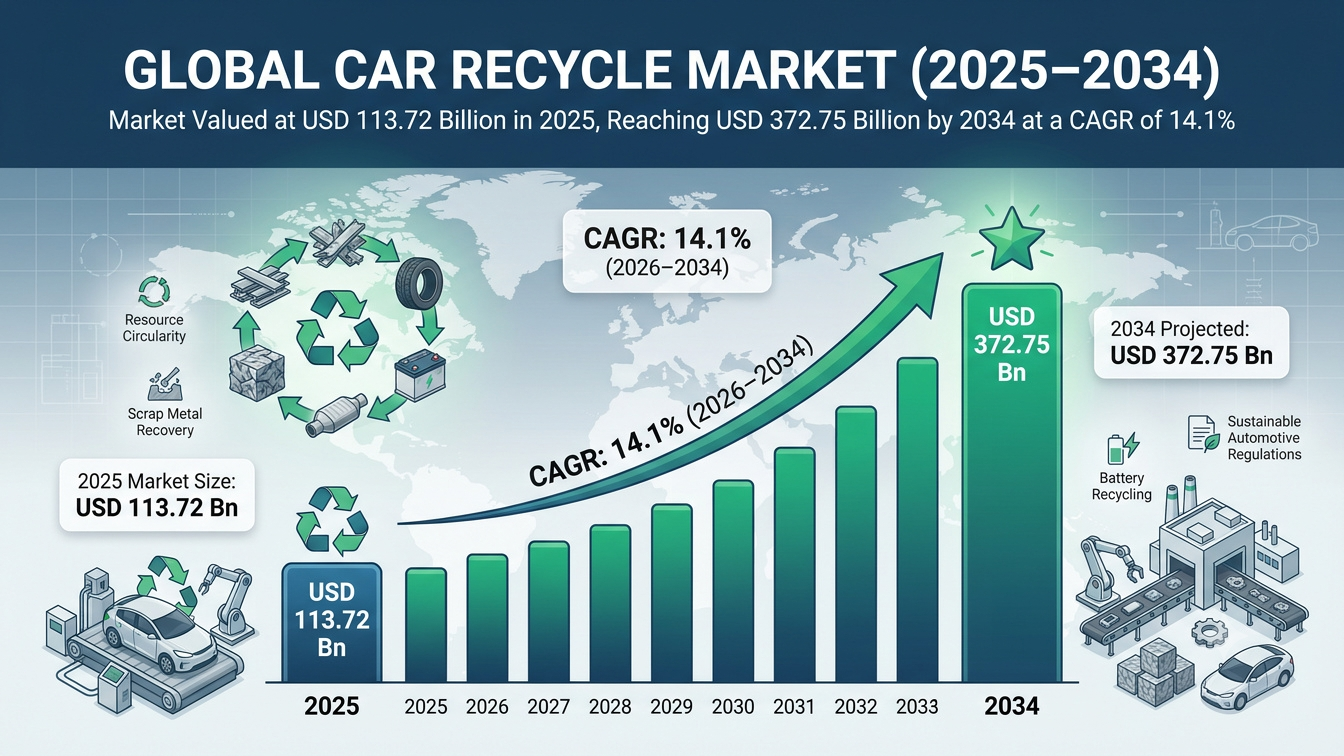
    The global Industrial Salt Market toward integrated brine sourcing and zero-liquid-discharge recovery as reported by Stellar Market Research. Valued at USD 17.02 billion in 2025, the market is projected to reach USD 24.94 billion by 2034, expanding at a 4.34% compound annual growth rate (CAGR) over the 2026–2034 forecast period. Because sodium chloride underpins chlor-alkali electrolysis, water softening, and winter de-icing, supply interruptions ripple directly through basic chemicals, construction, and public infrastructure. Heavy civil construction, mining, and earthmoving are undergoing a structural shift from manual grading and static 2D layouts to real-time 3D digital design execution. Rather than relying solely on surveyor stakes and operator guesswork, machine control systems link site models directly to hydraulic valves, blades, buckets, and paving screeds. Key Findings from the Report Market Valuation & Trajectory: The global market stood at US$ 6.20 billion in 2025 and is projected to reach US$ 11.07 billion by 2032, expanding at an 8.64% CAGR across the 2026–2032 forecast window. Dominant Equipment Segment: Excavators and motor graders account for 60% of machine control penetration globally because earthmoving and grading govern project schedules, material volumes, and rework costs. Technology Mix & Software Growth: Global Navigation Satellite System (GNSS) solutions represented over 58% of installed systems in 2024, while software and subscription revenues are growing 1.3–1.5 times faster than hardware sales. European Adoption Gap: Over 98% of European construction firms use machine control in some capacity, yet fewer than 10% deploy it across most projects, signaling deep expansion room in standardizing job-site rollout. Labor & Decarbonization Pull: More than 650,000 U.S. manufacturing and construction roles went unfilled in 2025 alongside an aging heavy-industry workforce, while the built environment generates nearly 45% of global carbon emissions. Retrofit & Rental Opportunity: Modular retrofit kits allow contractors with older fleets to add digital guidance without full machine replacement, while rental and leasing channels lower entry barriers for mid-sized operators. For further information, click the following link:https://www.stellarmr.com/report/req_sample/Machine-Control-System-Market/307  Market Drivers and Restraints Key Drivers Skilled Operator Shortages: Aging crews and tight labor markets push civil contractors and mines to automate blade and bucket guidance so less-experienced operators achieve design-grade accuracy faster. Cost & Fuel Efficiency: Millimeter-level guidance reduces over-excavation, material waste, rework, and idle time, lowering fuel burn and overall project expenses. Public Infrastructure & Digital Mandates: Government-backed transport corridors, urban transit, and digital construction standards reward contractors who deliver verifiable as-built accuracy on schedule. Key Restraints Upfront Capital & Licensing Costs: Initial outlays for GNSS receivers, inertial sensors, displays, and recurring software subscriptions strain budgets among small and mid-sized contractors. Legacy Fleet Interoperability & Workflow Friction: Integrating modern sensors with older hydraulic architectures, proprietary formats, and crew habits slows deployment across mixed fleets. Technology, Regulation, and Sustainability Trends Sensor fusion combining GNSS, inertial measurement units (IMUs), robotic total stations, and LiDAR or laser scanning is enabling continuous guidance in tree-lined sites, trenches, and deep cuts where satellite signals drop. Cloud common data environments and AI-assisted analytics link field machines with office design models for faster change orders and predictive maintenance. Regulatory pressure around job-site safety, emissions reporting, and public infrastructure quality is raising the bar for digital documentation. By cutting earthwork passes, truck idling, and excess haulage, machine control supports lower Scope 1 fuel emissions and reduced material waste on civil and industrial sites. Regional Insights Europe leads in technical maturity, anchored by Germany and Scandinavian markets where strict sustainability rules, digital project requirements, and high automation familiarity drive adoption. North America generates strong commercial demand through highway and utility upgrades, mining operations, and rental-led fleet expansion. Asia Pacific is emerging as a high-momentum growth engine as rapid urbanization, industrial parks, and national infrastructure programs expand heavy equipment fleets across markets such as India and Japan. South America and the Middle East show gradual uptake tied to mining projects, energy buildouts, and large-scale civil works. Recent Industry Developments Volvo Construction Equipment & Unicontrol (2026): Announced North American availability of Unicontrol3D machine control integrated with Volvo Active Control on Volvo CE excavators, unifying 3D guidance under a single interface and hardware set. Topcon Positioning Systems & Vemcon GmbH (2025): Signed a memorandum of understanding to pair Vemcon's 2D smart attachment systems with Topcon's 3D machine control technology, giving contractors a smoother upgrade path from 2D to 3D. Topcon Positioning Systems (2026): Introduced 3D-MC updates including 3D-MC Edge for cutting-edge grading, Hybrid Lock switching between robotic total stations and GNSS, and the AI-based Topcon Awareness System for blind-spot alerts. AMETEK / FARO CREAFORM (2026): Combined FARO's measurement business with Creaform to form FARO CREAFORM and launched the HandySCAN 3D EVO Series for shop-floor inspection and dimensional quality workflows. FARO INSIGHT (2026): Released Focus i.1 and Focus i.1 X terrestrial laser scanners alongside Rovi i.1 and cloud-connected reality capture workflows to speed site capture and digital twin data integration. Competitive Landscape Competition centers on positioning accuracy, cross-brand compatibility, and connected software ecosystems rather than standalone sensors alone. Established leaders including Topcon Positioning Systems, Trimble, Hexagon (Leica Geosystems), Caterpillar, Volvo Construction Equipment, and AMETEK (FARO CREAFORM) compete through OEM factory integration, open file standards, and subscription software suites. Strategic moves increasingly favor partnerships and modular upgrades that let contractors connect existing machines to cloud platforms without ripping out prior investments. Vendors that combine reliable hardware with intuitive operator interfaces and fast data handoffs between field and office hold a clear advantage. Analyst Commentary "Contractors no longer treat machine control as a niche surveying add-on; they treat it as core operating software that protects margins when skilled labor is scarce and rework is costly. Over the next several years, winning vendors will be those that simplify mixed-fleet integration and turn job-site telemetry into measurable fuel and schedule savings." — Senior Research Analyst at Stellar Market Research Future Outlook Through 2032, demand is set to broaden from flagship earthmoving equipment into compact machinery, paving, and specialized site workflows as prices and modular kits lower adoption hurdles. Investment will keep flowing into sensor fusion, automated blade and bucket functions, and cloud subscription tools that tie design models directly to field execution. Tighter safety and environmental standards will push contractors toward verifiable precision and lower emissions per cubic meter moved. As open data standards gain ground, competition will intensify around software usability, uptime guarantees, and lifecycle support across global fleets. For further information, click the following link:https://www.stellarmr.com/report/req_sample/Machine-Control-System-Market/307  About Stellar Market Research Stellar Market Research is a multifaceted market research and consulting company with professionals from several industries. Some of the industries we cover include medical devices, pharmaceutical manufacturers, science and engineering, electronic components, industrial equipment, technology and communication, cars and automobiles, chemical products and substances, general merchandise, beverages, personal care, and automated systems. To mention a few, we provide market-verified industry estimations, technical trend analysis, crucial market research, strategic advice, competition analysis, production and demand analysis, and client impact studies. Address Phase 3, Navale IT Zone, S.No. 51/2A/2, Office No. 202, 2nd floor, Near, Navale Brg, Narhe, Pune, Maharashtra 411041 Email [email protected] Mobile +91 9607365656

    0 Comments ·0 Shares ·416 Views
  • The Asia Pacific Nail Salon Market is shifting from transactional polish sessions to high-retention enhancement services and cleaner formulations, according to Stellar Market Research. Valued at USD 2,749.4 million in 2024, the market is forecast to grow at a 9.3% compound annual growth rate (CAGR) from 2025 to 2032 to reach nearly USD 5,600.14 million. Rising urban spending, social media-driven styling trends, and rapid adoption of faster gel systems are making the region a strategic growth engine for global beauty brands and salon operators.

    Across Asia Pacific, nail salons are evolving from low-cost neighborhood stops into specialized, style-driven grooming hubs. Consumers increasingly treat nail care as a recurring personal expression tied to fashion cycles, social media trends, and self-care routines rather than an occasional treat. This shift is forcing brands and operators to rethink chair productivity, ingredient safety, and technician training.

    Key Findings from the Report
    Market Trajectory: The Asia Pacific nail salon market stood at USD 2,749.4 million in 2024 and is projected to reach nearly USD 5,600.14 million by 2032, expanding at a 9.3% CAGR between 2025 and 2032.

    Standalone Dominance: Standalone salons remain the largest location segment by volume and geographic spread, benefiting from lower initial setup costs and direct access to neighborhood foot traffic.

    Enhancement Momentum: Demand is accelerating toward gel overlays, builder-in-a-bottle sculpting systems, and extensions, which boost service value and extend wear between visits.

    Country Leadership: China leads the Asia Pacific market in overall scale and service sophistication, propelled by high adoption of gel overlays and extensions.

    High-Growth Expansion Zones: Rapid urbanization and rising discretionary income across Southeast Asia and India create strong headroom for multi-unit expansion beyond saturated metropolitan cores.

    Recurring Revenue & Investor Appeal: High repeat-visit frequency in core manicure and maintenance services, combined with add-ons and loyalty programs, supports predictable cash flow for investors and franchise builders.

    For further information, click the following link:https://www.stellarmr.com/report/req_sample/apac-nail-salon-market/2885 

    Market Drivers and Restraints
    Key Drivers:

    Urban Lifestyle & Social Media Influence: Growing disposable incomes, younger urban demographics, and visual platforms drive frequent experimentation with nail art, seasonal shades, and sculpted finishes.

    Shift Toward Durable Enhancements: Consumers favor longer-lasting gel overlays and extensions that reduce touch-up friction while delivering polished, camera-ready results.

    Repeat-Grooming Habits: Regular maintenance cycles turn nail care into a consistent monthly or bi-weekly habit for working professionals and event-focused shoppers.

    Key Restraints:

    Skilled Technician Shortages & Turnover: High labor intensity, specialized skill requirements for sculpting and nail art, and staff churn limit workstation utilization and slow expansion.

    Chemical & Hygiene Sensitivity: Concerns over harsh chemicals, nail thinning, and tool or basin sanitation require stricter protocols and ongoing staff compliance.

    Technology, Regulation, and Sustainability Trends
    Salons and suppliers across Asia Pacific are adopting time-saving application systems—such as builder gels in a bottle and faster curing technologies—to shorten chair times without sacrificing finish quality. Mobile appointment booking, digital payments, and CRM-driven loyalty tools are also becoming standard for reducing no-shows and improving retention.

    At the same time, tighter expectations around salon hygiene, ventilation, and ingredient safety are pushing brands toward low-odor, vegan, and eco-conscious formulations. Sustainability is moving from a niche marketing angle to a core operational requirement as urban consumers scrutinize product ingredients and packaging waste.

    Regional Insights
    China anchors the Asia Pacific nail salon market, supported by deep consumer familiarity with gel overlays, extensions, and fast-moving beauty trends. Japan and South Korea continue to shape regional aesthetics and technical precision, influencing nail art styles and product innovation across neighboring markets.

    Emerging markets across Southeast Asia and India are gaining traction as expanding middle-class populations, mall and high-street retail growth, and beauty-conscious younger consumers fuel new salon openings. Lower penetration outside major metro centers gives organized operators clear opportunities to scale through standardized training and localized pricing.

    Recent Industry Developments
    MEROO (2026): Launched a professional nail care range featuring gel polish and builder gels tailored for salon artists, expanding accessible supply options for manicures, extensions, and nail art.

    Nailashes (2026): Opened a new studio in Kochi to expand its South Indian footprint with specialized nail extensions and nail art services, tapping rising demand for dedicated nail studios.

    Creative Nail Design, Inc. (2026): Introduced the CND SHELLAC system paired with a Visible Light Lamp to modernize salon gel manicures through visible-light curing and smoother removal.

    Pallyynails (2026): Expanded its Singapore studio model with an emphasis on artist education, structured training, and consultative nail artistry, addressing talent development and client trust.

    Orly (2025): Rolled out its Spring 2025 Asia Pacific collection featuring finishes such as Confetti Shimmer and a rubberized base coat to support fast seasonal styling in trend-forward markets like Japan and South Korea.

    Competitive Landscape
    The Asia Pacific nail salon market remains fragmented between independent local salons and established domestic and international players. Major cosmetic and nail houses—including L'Oréal Group (Essie), Coty (Sally Hansen), Orly, and Shiseido—compete through product R&D, shade innovation, salon training, and retail-to-salon distribution.

    Meanwhile, regional salon chains, specialty nail bars, and emerging studios—such as ZAZAZOO Nail Salon and regional Indian and Southeast Asian operators—compete on localized service menus, studio ambiance, digital booking, and technician skill. Brands that combine reliable supply chains with structured artist academies hold a distinct advantage in scaling quality.

    Analyst Commentary
    "Asia Pacific nail salons are entering a more disciplined phase of growth where speed, artistry, and ingredient trust separate enduring operators from short-term entrants," said a Senior Research Analyst at Stellar Market Research. "As consumers trade up to gel overlays and custom nail designs, salons that invest in technician skill, hygiene standards, and repeatable service workflows will capture the strongest share of recurring spend."

    Future Outlook
    Through 2032, demand in the Asia Pacific nail salon market is expected to remain resilient, supported by recurring grooming habits, premium add-on services, and expansion into under-penetrated urban and regional centers. Investment will increasingly favor scalable studio formats, technician training programs, and safer, lower-odor product lines.

    For further information, click the following link:https://www.stellarmr.com/report/req_sample/apac-nail-salon-market/2885 

    About Stellar Market Research
    Stellar Market Research is a multifaceted market research and consulting company with professionals from several industries. Some of the industries we cover include medical devices, pharmaceutical manufacturers, science and engineering, electronic components, industrial equipment, technology and communication, cars and automobiles, chemical products and substances, general merchandise, beverages, personal care, and automated systems. To mention a few, we provide market-verified industry estimations, technical trend analysis, crucial market research, strategic advice, competition analysis, production and demand analysis, and client impact studies.

    Address
    Phase 3, Navale IT Zone, S.No. 51/2A/2, Office No. 202, 2nd floor, Near, Navale Brg, Narhe, Pune, Maharashtra 411041

    Email
    [email protected]

    Mobile
    +91 9607365656

    The Asia Pacific Nail Salon Market is shifting from transactional polish sessions to high-retention enhancement services and cleaner formulations, according to Stellar Market Research. Valued at USD 2,749.4 million in 2024, the market is forecast to grow at a 9.3% compound annual growth rate (CAGR) from 2025 to 2032 to reach nearly USD 5,600.14 million. Rising urban spending, social media-driven styling trends, and rapid adoption of faster gel systems are making the region a strategic growth engine for global beauty brands and salon operators. Across Asia Pacific, nail salons are evolving from low-cost neighborhood stops into specialized, style-driven grooming hubs. Consumers increasingly treat nail care as a recurring personal expression tied to fashion cycles, social media trends, and self-care routines rather than an occasional treat. This shift is forcing brands and operators to rethink chair productivity, ingredient safety, and technician training. Key Findings from the Report Market Trajectory: The Asia Pacific nail salon market stood at USD 2,749.4 million in 2024 and is projected to reach nearly USD 5,600.14 million by 2032, expanding at a 9.3% CAGR between 2025 and 2032. Standalone Dominance: Standalone salons remain the largest location segment by volume and geographic spread, benefiting from lower initial setup costs and direct access to neighborhood foot traffic. Enhancement Momentum: Demand is accelerating toward gel overlays, builder-in-a-bottle sculpting systems, and extensions, which boost service value and extend wear between visits. Country Leadership: China leads the Asia Pacific market in overall scale and service sophistication, propelled by high adoption of gel overlays and extensions. High-Growth Expansion Zones: Rapid urbanization and rising discretionary income across Southeast Asia and India create strong headroom for multi-unit expansion beyond saturated metropolitan cores. Recurring Revenue & Investor Appeal: High repeat-visit frequency in core manicure and maintenance services, combined with add-ons and loyalty programs, supports predictable cash flow for investors and franchise builders. For further information, click the following link:https://www.stellarmr.com/report/req_sample/apac-nail-salon-market/2885  Market Drivers and Restraints Key Drivers: Urban Lifestyle & Social Media Influence: Growing disposable incomes, younger urban demographics, and visual platforms drive frequent experimentation with nail art, seasonal shades, and sculpted finishes. Shift Toward Durable Enhancements: Consumers favor longer-lasting gel overlays and extensions that reduce touch-up friction while delivering polished, camera-ready results. Repeat-Grooming Habits: Regular maintenance cycles turn nail care into a consistent monthly or bi-weekly habit for working professionals and event-focused shoppers. Key Restraints: Skilled Technician Shortages & Turnover: High labor intensity, specialized skill requirements for sculpting and nail art, and staff churn limit workstation utilization and slow expansion. Chemical & Hygiene Sensitivity: Concerns over harsh chemicals, nail thinning, and tool or basin sanitation require stricter protocols and ongoing staff compliance. Technology, Regulation, and Sustainability Trends Salons and suppliers across Asia Pacific are adopting time-saving application systems—such as builder gels in a bottle and faster curing technologies—to shorten chair times without sacrificing finish quality. Mobile appointment booking, digital payments, and CRM-driven loyalty tools are also becoming standard for reducing no-shows and improving retention. At the same time, tighter expectations around salon hygiene, ventilation, and ingredient safety are pushing brands toward low-odor, vegan, and eco-conscious formulations. Sustainability is moving from a niche marketing angle to a core operational requirement as urban consumers scrutinize product ingredients and packaging waste. Regional Insights China anchors the Asia Pacific nail salon market, supported by deep consumer familiarity with gel overlays, extensions, and fast-moving beauty trends. Japan and South Korea continue to shape regional aesthetics and technical precision, influencing nail art styles and product innovation across neighboring markets. Emerging markets across Southeast Asia and India are gaining traction as expanding middle-class populations, mall and high-street retail growth, and beauty-conscious younger consumers fuel new salon openings. Lower penetration outside major metro centers gives organized operators clear opportunities to scale through standardized training and localized pricing. Recent Industry Developments MEROO (2026): Launched a professional nail care range featuring gel polish and builder gels tailored for salon artists, expanding accessible supply options for manicures, extensions, and nail art. Nailashes (2026): Opened a new studio in Kochi to expand its South Indian footprint with specialized nail extensions and nail art services, tapping rising demand for dedicated nail studios. Creative Nail Design, Inc. (2026): Introduced the CND SHELLAC system paired with a Visible Light Lamp to modernize salon gel manicures through visible-light curing and smoother removal. Pallyynails (2026): Expanded its Singapore studio model with an emphasis on artist education, structured training, and consultative nail artistry, addressing talent development and client trust. Orly (2025): Rolled out its Spring 2025 Asia Pacific collection featuring finishes such as Confetti Shimmer and a rubberized base coat to support fast seasonal styling in trend-forward markets like Japan and South Korea. Competitive Landscape The Asia Pacific nail salon market remains fragmented between independent local salons and established domestic and international players. Major cosmetic and nail houses—including L'Oréal Group (Essie), Coty (Sally Hansen), Orly, and Shiseido—compete through product R&D, shade innovation, salon training, and retail-to-salon distribution. Meanwhile, regional salon chains, specialty nail bars, and emerging studios—such as ZAZAZOO Nail Salon and regional Indian and Southeast Asian operators—compete on localized service menus, studio ambiance, digital booking, and technician skill. Brands that combine reliable supply chains with structured artist academies hold a distinct advantage in scaling quality. Analyst Commentary "Asia Pacific nail salons are entering a more disciplined phase of growth where speed, artistry, and ingredient trust separate enduring operators from short-term entrants," said a Senior Research Analyst at Stellar Market Research. "As consumers trade up to gel overlays and custom nail designs, salons that invest in technician skill, hygiene standards, and repeatable service workflows will capture the strongest share of recurring spend." Future Outlook Through 2032, demand in the Asia Pacific nail salon market is expected to remain resilient, supported by recurring grooming habits, premium add-on services, and expansion into under-penetrated urban and regional centers. Investment will increasingly favor scalable studio formats, technician training programs, and safer, lower-odor product lines. For further information, click the following link:https://www.stellarmr.com/report/req_sample/apac-nail-salon-market/2885  About Stellar Market Research Stellar Market Research is a multifaceted market research and consulting company with professionals from several industries. Some of the industries we cover include medical devices, pharmaceutical manufacturers, science and engineering, electronic components, industrial equipment, technology and communication, cars and automobiles, chemical products and substances, general merchandise, beverages, personal care, and automated systems. To mention a few, we provide market-verified industry estimations, technical trend analysis, crucial market research, strategic advice, competition analysis, production and demand analysis, and client impact studies. Address Phase 3, Navale IT Zone, S.No. 51/2A/2, Office No. 202, 2nd floor, Near, Navale Brg, Narhe, Pune, Maharashtra 411041 Email [email protected] Mobile +91 9607365656

    0 Comments ·0 Shares ·414 Views
  • Digital Healthcare Solutions for Better Patient Services

    Healthcare providers are increasingly using mobile applications to make medical services more convenient for patients and healthcare professionals. healthcare mobile app development services help hospitals, clinics, and healthcare businesses create applications that support their daily activities and patient interactions. These applications can include features such as online appointment booking, telemedicine consultations, digital prescriptions, medical report access, and medication reminders.

    For example, patients can use a mobile app to schedule doctor visits, receive appointment notifications, and check their test reports without making repeated calls to healthcare facilities. Doctors can also use suitable applications to review patient information and manage follow-up appointments. Talentelgia Technologies offers software development solutions for businesses looking to build healthcare applications based on their requirements. With proper planning, user-friendly design, and suitable security measures, healthcare apps can improve communication and make selected medical services easier to access. Investing in healthcare mobile app development services can help healthcare organizations support changing patient expectations and digital service needs. Visit https://www.talentelgia.com/industries/healthcare-app-development-services

    #HealthcareAppDevelopment #HealthcareMobileApps #CustomHealthcareApps #HealthcareTechnology #TelemedicineApp #DigitalHealthcare #HealthcareSoftware #MobileAppDevelopment
    Digital Healthcare Solutions for Better Patient Services Healthcare providers are increasingly using mobile applications to make medical services more convenient for patients and healthcare professionals. healthcare mobile app development services help hospitals, clinics, and healthcare businesses create applications that support their daily activities and patient interactions. These applications can include features such as online appointment booking, telemedicine consultations, digital prescriptions, medical report access, and medication reminders. For example, patients can use a mobile app to schedule doctor visits, receive appointment notifications, and check their test reports without making repeated calls to healthcare facilities. Doctors can also use suitable applications to review patient information and manage follow-up appointments. Talentelgia Technologies offers software development solutions for businesses looking to build healthcare applications based on their requirements. With proper planning, user-friendly design, and suitable security measures, healthcare apps can improve communication and make selected medical services easier to access. Investing in healthcare mobile app development services can help healthcare organizations support changing patient expectations and digital service needs. Visit https://www.talentelgia.com/industries/healthcare-app-development-services #HealthcareAppDevelopment #HealthcareMobileApps #CustomHealthcareApps #HealthcareTechnology #TelemedicineApp #DigitalHealthcare #HealthcareSoftware #MobileAppDevelopment
    www.talentelgia.com
    We build custom healthcare mobile app development solutions with secure services for patients & clinicians, including HIPAA-compliant telemedicine and EHR apps.
    0 Comments ·0 Shares ·433 Views
  • Seeking Clarity About Fatherhood? Explore DNA Testing in Ludhiana

    If you are seeking clarity about biological fatherhood, a Paternity DNA Test in Ludhiana can help establish whether a man is the biological father of a child. DNA Forensics Laboratory Pvt. Ltd. provides accurate and confidential paternity testing services using advanced laboratory technology and strict quality procedures. The testing process is designed to provide clear results while maintaining privacy at every stage.

    Whether you need paternity verification for personal, family, or legal purposes, DNA Forensics Laboratory offers professional guidance and convenient sample collection through its network of 400+ collection centers across India and abroad.

    Visit us: https://www.dnaforensicslab.com/paternity-dna-test-in-ludhiana-punjab/

    #PaternityDNATest #DNATestInLudhiana #PaternityTesting #DNAForensicsLaboratory #FatherhoodVerification #DNAParentageTest
    Seeking Clarity About Fatherhood? Explore DNA Testing in Ludhiana If you are seeking clarity about biological fatherhood, a Paternity DNA Test in Ludhiana can help establish whether a man is the biological father of a child. DNA Forensics Laboratory Pvt. Ltd. provides accurate and confidential paternity testing services using advanced laboratory technology and strict quality procedures. The testing process is designed to provide clear results while maintaining privacy at every stage. Whether you need paternity verification for personal, family, or legal purposes, DNA Forensics Laboratory offers professional guidance and convenient sample collection through its network of 400+ collection centers across India and abroad. Visit us: https://www.dnaforensicslab.com/paternity-dna-test-in-ludhiana-punjab/ #PaternityDNATest #DNATestInLudhiana #PaternityTesting #DNAForensicsLaboratory #FatherhoodVerification #DNAParentageTest
    0 Comments ·0 Shares ·435 Views ·0 Views
  • Luxury Travel Market: Private Aviation, Yacht Tourism and Premium Hospitality Growth 2034 – Report by MMR

    Luxury Travel Market Report Overview

    The forecasting process primarily hinges on the analysis of historical data alongside current trends in the Luxury Travel Market. This comprehensive data collection employs a blend of primary and secondary research methodologies. The report encompasses vital components such as market size, share, regional analysis, dynamics, CAGR, and future trends. This holistic approach renders the report an invaluable guide for investors, as it offers an insightful and forward-looking perspective on the Luxury Travel industry.

    Luxury Travel Market Projection:

    The Luxury Travel Market size was valued at USD 1784.63 Billion in 2025 and the total Luxury Travel revenue is expected to grow at a CAGR of 11.2% from 2026 to 2034, reaching nearly USD 4639.73 Billion.

    Please connect with our representative, who will ensure you to get a report sample here @https://www.maximizemarketresearch.com/request-sample/121614/

    Luxury Travel Market Report Scope and Research Methodology

    The report presents historical data and forecasts on a global, regional, and country level, delivering an in-depth examination of Luxury Travel market trends within each segment and their respective sub-segments . Maximize Market Research employs data triangulation as the primary research methodology, encompassing an evaluation of how data variables impact the Luxury Travel market, data mining, and validation via primary sources such as industry experts.

    The analysis of complex Luxury Travel industry data has been presented in straightforward language within the research report. SWOT analysis was leveraged to outline the strengths, weaknesses, opportunities, and threats for key players in the industry. To estimate the market size, a bottom-up approach was employed.

    Luxury Travel Market Regional Analysis

    The report provides a detailed analysis of the Luxury Travel market dynamics, Government initiatives and stringent rules and regulations influencing the market in each region. A detailed analysis of the market in North America, Asia Pacific, Europe, Middle East and Africa and South America are included in the report.

    Luxury Travel Market Segmentation

    by Transportation Type

    Air Transportation
    Land Transportation
    Water Transportation

    by Booking Channel

    Online
    Direct Brand Website/App
    Online Travel Agencies (OTAs)
    Luxury Travel Platforms
    Offline
    Travel Agencies
    Travel Management Companies (TMCs)
    Destination Management Companies (DMCs)
    Phone Booking
    Walk-in Booking

    by Customer Type

    Ultra High Net Worth Individuals (UHNWIs)
    High Net Worth Individuals (HNWIs)
    Affluent Travelers
    Corporate Clients

    Request Free Sample Copy:https://www.maximizemarketresearch.com/request-sample/121614/

    Luxury Travel Key Players

    North America
    1. Abercrombie & Kent Ltd.
    2. Virtuoso, Ltd.
    3. Tauck, Inc.
    4. Micato Safaris
    5. Ker & Downey
    6. Black Tomato
    7. Kensington Tours
    8. Zicasso, Inc.
    9. Geographic Expeditions, Inc.
    10. Lindblad Expeditions Holdings, Inc.
    11. Backroads
    12. Ovation Travel Group
    13. TCS World Travel
    14. Journese
    15. Travel Edge
    16. Butterfield & Robinson Inc.
    Others

    Europe
    17. TUI Group
    18. Scott Dunn Ltd.
    19. Audley Travel Group
    20. Red Savannah
    21. Original Travel
    22. Wexas Travel Ltd.
    23. Carrier Travel
    24. Kuoni Travel
    25. Hotelplan Group
    26. Voyage Privé
    27. Voyageurs du Monde
    28. Club Med
    29. Travelopia Holdings Limited
    30. Exodus Travels
    31. Explore Worldwide
    32. Cazenove+Loyd
    Others

    Asia Pacific
    33. Cox & Kings Ltd.
    34. Thomas Cook (India) Ltd.
    35. Luxury Escapes
    36. Entire Travel Group
    37. Chan Brothers Travel
    38. JTB Corporation
    Others

    Rest of World
    39. dnata Travel
    40. Emirates Holidays
    Others

    Key Questions answered in the Luxury Travel Market Report are:

    What is the expected CAGR of the Luxury Travel market during the forecast period?
    What are the Luxury Travel market segments?
    Which region of the Luxury Travel market is expected to grow at a high rate during the forecast period?
    What is the expected CAGR of the Luxury Travel market during the forecast period?
    What are the emerging trends in the Luxury Travel market?
    What are the factors restraining the Luxury Travel market growth?
    Key offerings:

    Market Share, Size, and Forecast by Revenue|2026-2034
    Market Dynamics- Growth drivers, Restraints, Investment Opportunities, and key trends
    Market Segmentation- A detailed analysis of each segment and their segments
    Competitive Landscape - Leading key players and other prominent key players.
    Trending Reports:

    Needles Market https://www.maximizemarketresearch.com/market-report/global-needles-market/20121/
    Global Licensed Sports Merchandise Market https://www.maximizemarketresearch.com/market-report/global-licensed-sports-merchandise-market/45228/
    Asia Pacific Cleanroom Disposable Gloves Market https://www.maximizemarketresearch.com/market-report/asia-pacific-cleanroom-disposable-gloves-market/31397/

    About Maximize Market Research:

    Maximize Market Research is a multifaceted market research and consulting company with professionals from several industries. Some of the industries we cover include medical devices, pharmaceutical manufacturers, science and engineering, electronic components, industrial equipment, technology and communication, cars and automobiles, chemical products and substances, general merchandise, beverages, personal care, and automated systems. To mention a few, we provide market-verified industry estimations, technical trend analysis, crucial market research, strategic advice, competition analysis, production and demand analysis, and client impact studies.

    Contact Maximize Market Research:

    3rd Floor, Navale IT Park, Phase 2

    Pune Banglore Highway, Narhe,

    Pune, Maharashtra 411041, India

    [email protected]

    +91 96071 95908, +91 9607365656
    Luxury Travel Market: Private Aviation, Yacht Tourism and Premium Hospitality Growth 2034 – Report by MMR Luxury Travel Market Report Overview The forecasting process primarily hinges on the analysis of historical data alongside current trends in the Luxury Travel Market. This comprehensive data collection employs a blend of primary and secondary research methodologies. The report encompasses vital components such as market size, share, regional analysis, dynamics, CAGR, and future trends. This holistic approach renders the report an invaluable guide for investors, as it offers an insightful and forward-looking perspective on the Luxury Travel industry. Luxury Travel Market Projection: The Luxury Travel Market size was valued at USD 1784.63 Billion in 2025 and the total Luxury Travel revenue is expected to grow at a CAGR of 11.2% from 2026 to 2034, reaching nearly USD 4639.73 Billion. Please connect with our representative, who will ensure you to get a report sample here @https://www.maximizemarketresearch.com/request-sample/121614/ Luxury Travel Market Report Scope and Research Methodology The report presents historical data and forecasts on a global, regional, and country level, delivering an in-depth examination of Luxury Travel market trends within each segment and their respective sub-segments . Maximize Market Research employs data triangulation as the primary research methodology, encompassing an evaluation of how data variables impact the Luxury Travel market, data mining, and validation via primary sources such as industry experts. The analysis of complex Luxury Travel industry data has been presented in straightforward language within the research report. SWOT analysis was leveraged to outline the strengths, weaknesses, opportunities, and threats for key players in the industry. To estimate the market size, a bottom-up approach was employed. Luxury Travel Market Regional Analysis The report provides a detailed analysis of the Luxury Travel market dynamics, Government initiatives and stringent rules and regulations influencing the market in each region. A detailed analysis of the market in North America, Asia Pacific, Europe, Middle East and Africa and South America are included in the report. Luxury Travel Market Segmentation by Transportation Type Air Transportation Land Transportation Water Transportation by Booking Channel Online Direct Brand Website/App Online Travel Agencies (OTAs) Luxury Travel Platforms Offline Travel Agencies Travel Management Companies (TMCs) Destination Management Companies (DMCs) Phone Booking Walk-in Booking by Customer Type Ultra High Net Worth Individuals (UHNWIs) High Net Worth Individuals (HNWIs) Affluent Travelers Corporate Clients Request Free Sample Copy:https://www.maximizemarketresearch.com/request-sample/121614/ Luxury Travel Key Players North America 1. Abercrombie & Kent Ltd. 2. Virtuoso, Ltd. 3. Tauck, Inc. 4. Micato Safaris 5. Ker & Downey 6. Black Tomato 7. Kensington Tours 8. Zicasso, Inc. 9. Geographic Expeditions, Inc. 10. Lindblad Expeditions Holdings, Inc. 11. Backroads 12. Ovation Travel Group 13. TCS World Travel 14. Journese 15. Travel Edge 16. Butterfield & Robinson Inc. Others Europe 17. TUI Group 18. Scott Dunn Ltd. 19. Audley Travel Group 20. Red Savannah 21. Original Travel 22. Wexas Travel Ltd. 23. Carrier Travel 24. Kuoni Travel 25. Hotelplan Group 26. Voyage Privé 27. Voyageurs du Monde 28. Club Med 29. Travelopia Holdings Limited 30. Exodus Travels 31. Explore Worldwide 32. Cazenove+Loyd Others Asia Pacific 33. Cox & Kings Ltd. 34. Thomas Cook (India) Ltd. 35. Luxury Escapes 36. Entire Travel Group 37. Chan Brothers Travel 38. JTB Corporation Others Rest of World 39. dnata Travel 40. Emirates Holidays Others Key Questions answered in the Luxury Travel Market Report are: What is the expected CAGR of the Luxury Travel market during the forecast period? What are the Luxury Travel market segments? Which region of the Luxury Travel market is expected to grow at a high rate during the forecast period? What is the expected CAGR of the Luxury Travel market during the forecast period? What are the emerging trends in the Luxury Travel market? What are the factors restraining the Luxury Travel market growth? Key offerings: Market Share, Size, and Forecast by Revenue|2026-2034 Market Dynamics- Growth drivers, Restraints, Investment Opportunities, and key trends Market Segmentation- A detailed analysis of each segment and their segments Competitive Landscape - Leading key players and other prominent key players. Trending Reports: Needles Market https://www.maximizemarketresearch.com/market-report/global-needles-market/20121/ Global Licensed Sports Merchandise Market https://www.maximizemarketresearch.com/market-report/global-licensed-sports-merchandise-market/45228/ Asia Pacific Cleanroom Disposable Gloves Market https://www.maximizemarketresearch.com/market-report/asia-pacific-cleanroom-disposable-gloves-market/31397/ About Maximize Market Research: Maximize Market Research is a multifaceted market research and consulting company with professionals from several industries. Some of the industries we cover include medical devices, pharmaceutical manufacturers, science and engineering, electronic components, industrial equipment, technology and communication, cars and automobiles, chemical products and substances, general merchandise, beverages, personal care, and automated systems. To mention a few, we provide market-verified industry estimations, technical trend analysis, crucial market research, strategic advice, competition analysis, production and demand analysis, and client impact studies. Contact Maximize Market Research: 3rd Floor, Navale IT Park, Phase 2 Pune Banglore Highway, Narhe, Pune, Maharashtra 411041, India [email protected] +91 96071 95908, +91 9607365656
    0 Comments ·0 Shares ·423 Views
More Results